

Hydration Myths: Here are 7 electrolyte-rich foods seniors need to stay hydrated
If you’re drinking eight glasses of water daily but still feeling dizzy, fatigued, or experiencing muscle cramps, you’re not alone, and water alone might not be the answer.
Many seniors diligently drink water but still experience dehydration symptoms. The decreased thirst sensation in aging bodies, combined with medication side effects and natural electrolyte depletion, creates a perfect storm for chronic dehydration that plain water cannot fix.
In this guide, you’ll discover why hydration needs change after 65, the critical role electrolytes play in senior health, seven electrolyte-rich foods for seniors that provide superior hydration, essential senior hydration tips for daily balance, and warning signs of electrolyte imbalance that older adults should monitor carefully.
Hydration Meter
Thirst Signal Broken
After 65, your brain’s thirst alarm fades. You can be dehydrated for hours without feeling thirsty. Water alone isn’t enough; you need minerals to absorb it.
Why Water Alone Fails Seniors: The Science Behind Hydration

At 70, you might go six hours without feeling thirsty while your cells are screaming for water. This isn't laziness. Your brain's thirst alarm system breaks down after 65. The hypothalamus, which tells you to drink, gets slow and unreliable.
Think of your cells like tiny water balloons. Plain water can flood the space around them, but without the right minerals, it won't actually get inside where it does the real work. You need sodium, potassium, magnesium, and calcium to pull that water through cell walls. These minerals act like keys that unlock doors.
Your kidneys make this worse. By age 70, they work at half speed. They can't grab onto minerals and recycle them like they used to. So these essential electrolytes just wash out when you pee. Add blood pressure pills or water pills to the mix, and you're losing minerals twice as fast.
The symptoms sneak up on you. Mild dehydration feels like being tired. Electrolyte imbalance looks different: muscle cramps that won't quit, brain fog, weakness in your legs, or a heart that beats funny. You might blame it on getting older when the real problem is your cells can't hold onto water anymore.
Your medications make it harder. Diuretics, blood pressure pills, and even some antidepressants mess with your mineral balance. They're doing their job, but they're also draining electrolytes your body desperately needs to stay hydrated at the cellular level.
The Three Hidden Reasons Seniors Need More Than Water

Your body's hydration system has three major problems after 65. Each one makes plain water less effective.
Your thirst alarm stops working correctly. The hypothalamus controls your urge to drink. As you age, it becomes less sensitive to dehydration signals. A 30-year-old feels thirsty within an hour of needing water.
A 70-year-old might not feel thirsty for three or four hours, even when blood tests show dehydration. You can't trust your thirst anymore. You have to drink on purpose, not just when you feel like it.
Here's what this looks like in real life: You spend two hours gardening on a warm day. You come inside and don't feel thirsty, so you don't drink anything.
Meanwhile, your body has lost significant fluids and minerals through sweat. By dinner time, you feel dizzy standing up. This delayed thirst response puts you hours behind on hydration.
Your medications steal minerals faster than you can replace them. Blood pressure drugs like furosemide or hydrochlorothiazide make you urinate more. That's how they lower blood pressure. But every time you pee, you lose sodium, potassium, and magnesium along with the water.
If you take these medications daily, you're losing two to three times more minerals than someone who doesn't. Drinking plain water just dilutes what's left. It doesn't replace what you're losing.
Think about it this way: If someone is taking a diuretic and drinks eight glasses of plain water a day, they're essentially flushing out minerals without putting any back in. The water goes right through them, taking more electrolytes with it each time.
Your kidneys can't hold onto what you need. Healthy kidneys filter blood and save valuable minerals to reuse. Aging kidneys lose this ability. They let potassium, magnesium, and other electrolytes slip through instead of grabbing them back.
The filtration rate drops by about 50% between ages 30 and 70. This means your kidneys can't maintain the mineral balance your cells need for proper hydration, even if you're drinking enough fluids.
All three problems stack on top of each other. You don't feel thirsty, your pills drain minerals, and your kidneys can't save what's left. Plain water can't solve all three at once.
7 Electrolyte-Rich Foods Seniors Actually Need
1. Coconut Water: Nature's Electrolyte Powerhouse

Coconut water packs five essential electrolytes in one drink: potassium, sodium, magnesium, calcium, and phosphorus. One cup gives you 600mg of potassium, which is more than a banana.
This matters for your heart and blood pressure, two things most seniors watch closely. And unlike those bright blue sports drinks with 30 grams of sugar, coconut water has only 9 grams of natural sugar.
Your body absorbs it fast because it's 94% water with the exact minerals you lose through daily activity and medication. If you take water pills or blood pressure drugs, coconut water helps replace what those medications flush out.
Best time to consume: First thing in the morning to get hydration started, or after any physical activity
Serving suggestion: 8 ounces daily. Look for unsweetened versions.
What to look for: Labels that say "100% pure coconut water" with no added sugars or flavors
Cost-effective tip: Trader Joe's and Costco sell store brands that cost half as much as name brands
Caution: If you have kidney disease, ask your doctor first because of the high potassium
Quick win: Swap your morning orange juice for coconut water and cut your sugar intake in half
2. Watermelon: The 92% Hydration Solution

Watermelon is 92% water and gives you 170mg of potassium per cup. It tastes like candy but actually helps your health. The fruit contains L-citrulline, which improves blood flow and may lower blood pressure.
That matters because 75% of Americans over 65 have high blood pressure. The natural sugars give you energy without spiking your blood sugar too much, and the fiber helps with digestion.
Beyond keeping you hydrated, watermelon delivers lycopene, an antioxidant linked to lower heart disease risk. It also has vitamin C for your immune system. The soft texture makes it easy to chew if you have dental problems, and you can freeze it into popsicles for a summer treat.
Best time to consume: Between meals as a snack or after exercise
Serving suggestion: 2 cups of fresh cubed watermelon daily
Preparation tip: Cut it up ahead of time and keep it in containers so you can just grab it
Creative uses: Blend it into smoothies or freeze it into ice cubes for flavored water
Seasonal advantage: Buy it from June through August when it tastes best and has the most nutrients
Pairing suggestion: Mix it with feta cheese and mint leaves for a salad that boosts electrolytes
Storage: Keeps for 3-5 days in the fridge after you cut it
3. Yogurt: Probiotic-Powered Hydration
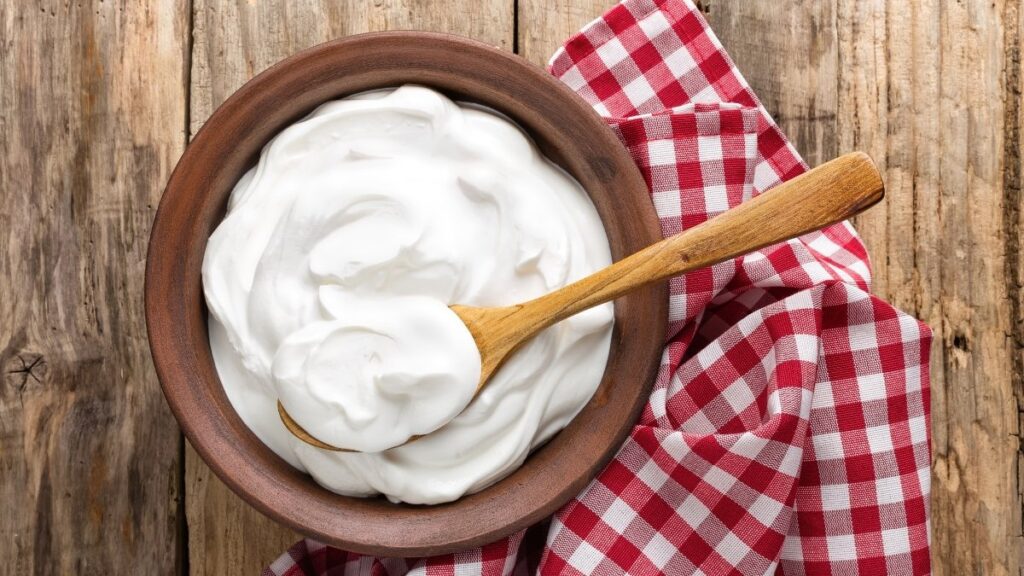
Yogurt hits three hydration needs at once: it's 85% water, it has probiotics for gut health, and it contains calcium (300mg), sodium (113mg), and potassium (380mg) per cup.
The protein (12-17 grams per serving) helps maintain muscle mass, which prevents falls and keeps you independent. Greek yogurt has even more protein and less sugar, making it better for blood sugar control. This matters because 29% of seniors have diabetes.
The live cultures in yogurt help your body absorb nutrients better and reduce inflammation. Both of these are critical if you're dealing with chronic conditions or medication side effects. The calcium supports bone density to prevent osteoporosis.
Best type: Plain Greek yogurt with 2% or full fat for better nutrient absorption
Serving suggestion: 6-8 ounces daily, unsweetened
Flavor boosters: Add fresh berries, sliced cucumber, or a small drizzle of honey
Timing tip: Eat it with breakfast to support digestive health all day
Label reading: Choose containers that say "live and active cultures"
Avoid: Low-fat or fat-free versions with added sugars (often 15-20 grams per serving)
Lactose-free options: Lactose-free yogurt or kefir give you the same benefits
Recipe idea: Mix with cucumber and dill to make a savory dip like tzatziki
The Hydration Pantry
Electrolyte Power
Contains 5 essential electrolytes. 94% water. Ideal for replacing minerals lost from blood pressure meds.
4. Broths and Soups: Warm Hydration That Heals

Bone broth and vegetable soups give you sodium (300-800mg per cup) while providing warmth that makes you want to drink it. This especially helps seniors who don't like cold beverages.
The liquid format is easy to swallow if you have trouble with solid food. The nutrients from slow-simmered bones or vegetables provide magnesium, phosphorus, and potassium.
Homemade broths have collagen and amino acids that help your joints and reduce inflammation, two major concerns for older adults.
The high water content (90-95%) plus electrolytes makes broth perfect for recovering from illness, healing after surgery, or just staying hydrated every day. Unlike plain water, the savory taste stimulates your appetite and feels satisfying, so it's easier to drink enough fluids.
Best types: Bone broth has the most minerals. Low-sodium vegetable broth works too.
Serving suggestion: 8-16 ounces daily, especially when it's cold outside
DIY advantage: Making it at home lets you control how much salt goes in
Quick option: Buy low-sodium versions from the store (look for less than 400mg sodium per serving)
Timing tip: Have it with lunch or dinner, or as a warm afternoon snack
Enhancement ideas: Add cooked vegetables, lean proteins, or whole grains to make complete meals
Freezing tip: Pour into ice cube trays for easy portioning
Medical benefit: Especially helpful when you're sick, after dental work, or when you're not hungry
Sodium balance: If you use higher-sodium broth, pair it with potassium-rich vegetables
5. Citrus Fruits: Vitamin C-Powered Electrolyte Boost
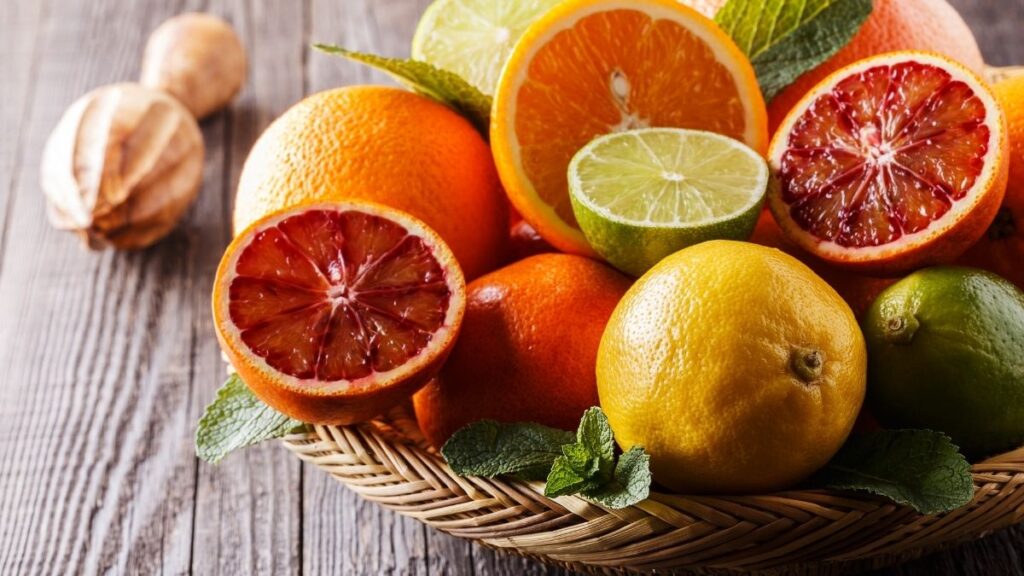
Oranges, grapefruits, and tangerines are 85-90% water and pack 200-330mg of potassium per fruit. They also give you vitamin C (70-90mg) that helps you fight infections and heal wounds faster.
The natural citric acid helps your body absorb minerals, especially iron. This prevents anemia, which affects 10-25% of older adults. The soluble fiber regulates blood sugar and cholesterol while keeping you hydrated.
The bright, tangy flavor makes you want to eat them. You can eat them fresh, juice them, or add slices to water for natural flavor. The flavonoids in citrus fruits fight inflammation and may reduce your risk of chronic diseases like heart disease and cognitive decline.
Best choices: Oranges are easy to peel. Pink grapefruit has the most antioxidants.
Serving suggestion: 1-2 whole fruits daily or 6-8 ounces of fresh-squeezed juice
Preparation tip: Cut oranges into segments ahead of time for easier snacking
Caution: Grapefruit interferes with over 85 medications including statins. Check with your doctor.
Water enhancement: Drop lemon or orange slices into plain water
Timing: Eat them in the morning for energy and to kickstart your metabolism
Storage: Keep at room temperature for juicier fruit. Refrigerate after cutting.
Budget tip: Buy in season from December through April for peak availability and nutrition
6. Cucumber: The 96% Water Champion

Cucumber wins for the highest water content at 96%. It's almost calorie-free with only 16 calories per cup. The silica in cucumber supports skin elasticity and joint health. The mild flavor and crunchy texture feel refreshing without being overwhelming.
Cucumbers have small amounts of all the essential electrolytes: potassium (152mg per cup), magnesium, and calcium. The antioxidants reduce inflammation and may lower blood pressure.
The cooling effect makes cucumbers perfect for summer when dehydration risk goes up for older adults. The peel has most of the fiber and nutrients, so eat organic cucumbers with the skin on for maximum benefits and better digestion.
Serving suggestion: 1-2 cups daily, preferably with skin on
Preparation ideas: Slice for salads, dice for tzatziki, spiralize for "noodles"
Water infusion: Add cucumber, mint, and lemon to water and refrigerate overnight
Snack pairing: Serve with hummus or Greek yogurt dip for added protein
Selection tip: Choose firm, dark green cucumbers. Avoid yellow ones.
Storage: Wrap in paper towel and keep in the crisper drawer for up to a week
Quick win: Keep pre-sliced cucumber in water in the fridge for instant snacking
Skin benefit: The caffeic acid in cucumber reduces water retention and puffiness
7. Spinach and Dark Leafy Greens: Cellular Hydration Heroes
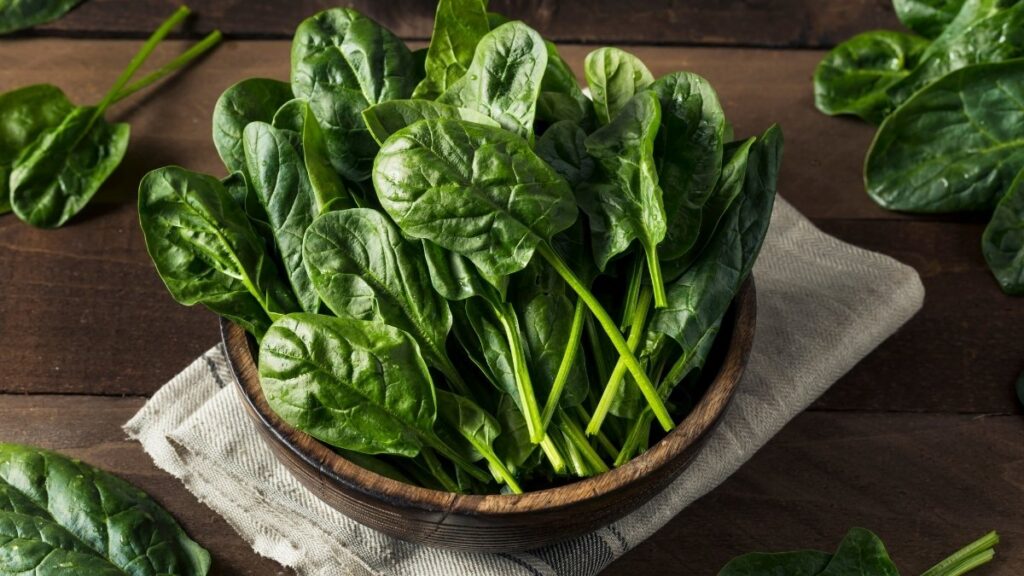
Spinach is 91% water plus it has exceptional amounts of magnesium (157mg per cooked cup) and potassium (839mg). These minerals regulate fluid balance inside cells where 60% of your body water lives.
Dark leafy greens provide iron for oxygen transport, calcium for bones, and vitamin K for blood clotting and bone metabolism. All of these nutrients become more important with age but are often missing from senior diets. The high folate content supports brain health and may reduce cognitive decline risk.
Cooking spinach concentrates the nutrients and makes them easier for your body to absorb while softening the texture for easier chewing and digestion. The magnesium helps prevent muscle cramps and supports hundreds of reactions in your body, including ones that control blood pressure and blood sugar.
Best varieties: Spinach is most versatile. Swiss chard and kale work when softened.
Serving suggestion: 1-2 cups daily, raw or cooked
Preparation tip: Lightly sauté with olive oil and garlic for better absorption
Smoothie secret: Blend raw spinach into fruit smoothies and you won't taste it
Cooking method: Steaming preserves more nutrients than boiling
Frozen advantage: Flash-frozen spinach keeps nutrients and costs less
Pairing for absorption: Combine with vitamin C sources like citrus or tomatoes to boost iron absorption
Quick recipe: Add to soups, omelets, or pasta during the final minutes of cooking
Caution: If you take blood thinners like warfarin, keep your intake consistent
Pro-Tips for Senior Hydration: Beyond Food Choices

Eating the right foods helps, but you need a system to make hydration automatic.
Create a drinking schedule tied to your daily routine. Don't wait for thirst. Drink 8 ounces when you wake up. Have 8 ounces with each meal. Drink 8 ounces mid-morning, mid-afternoon, and early evening.
This gives you about 56 ounces spread across the day, which is much better than trying to chug water all at once. Link it to things you already do: take a morning medication? Drink water with it. Sit down for lunch? Water goes on the table first.
Check your urine color like a dashboard light. Pale yellow means you're doing fine. Dark yellow or amber means you need more fluids. This simple visual test tells you in two seconds if your hydration plan is working.
Check every time you use the bathroom. If you see dark urine two days in a row, increase your fluid intake by 8-16 ounces daily until the color lightens.
Make plain water more appealing without adding sugar. Drop in cucumber slices, lemon wedges, or a few fresh mint leaves. Let it sit in the fridge for a few hours. The subtle flavor makes you want to drink more without adding calories or artificial ingredients. You can also try sparkling water if you miss the fizz of soda.
Know when to use electrolyte drinks. Pedialyte works best for illness or severe dehydration because it has precise electrolyte ratios. Coconut water works for daily maintenance and after light activity. Skip commercial sports drinks unless you're exercising hard for more than an hour. Most seniors don't need that much sugar.
Adjust for your environment and activities. Hot weather means you need an extra 8-16 ounces per day. Air conditioning dries you out, so drink more indoors too. If you're taking water pills or blood pressure medication, assume you need 20-30% more fluids than someone who isn't. After any physical activity, even just grocery shopping, drink 8 ounces within 30 minutes.
Here's a simple DIY electrolyte drink: Mix 1 liter of water with a squeeze of lemon, a pinch of sea salt, and 1 teaspoon of honey. This replaces what you lose through sweat or medication without the artificial colors and excessive sugar in store-bought versions.
The key is consistency. Hydration isn't something you fix once. It's a daily practice that protects your energy, prevents falls, and keeps your mind sharp.
Warning Signs of Electrolyte Imbalance in Seniors
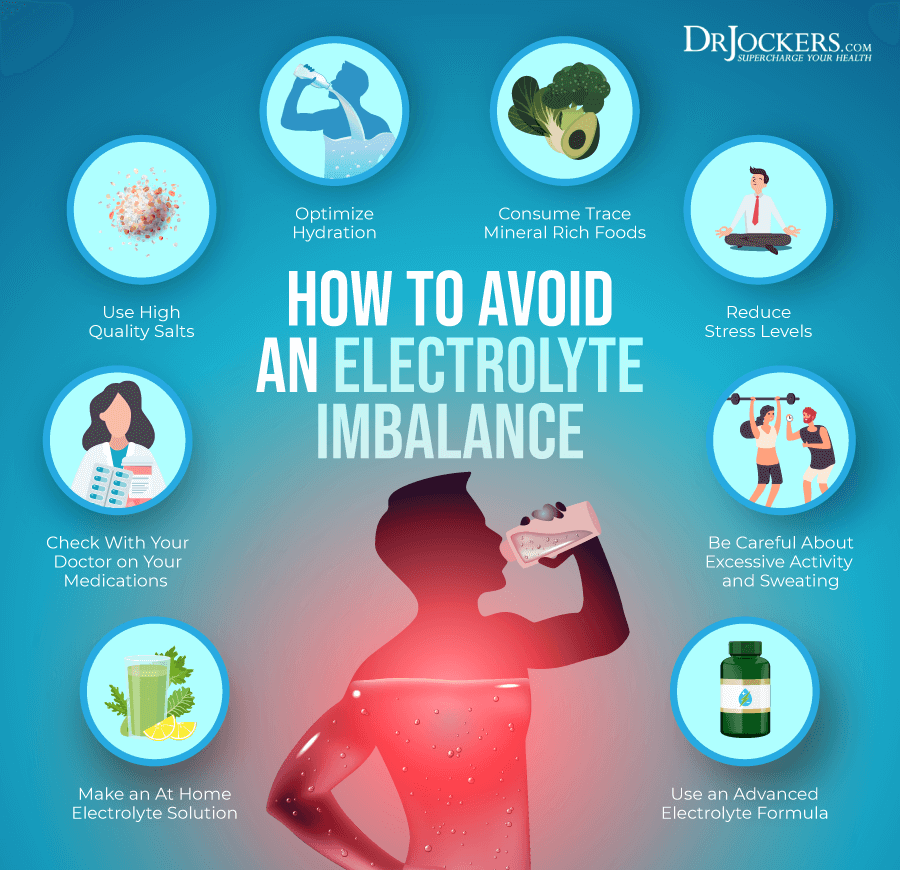
Your body sends clear signals when electrolytes drop to dangerous levels. Know them.
Physical symptoms show up fast. Dizziness when you stand up. Muscle weakness in your legs or arms. Confusion or trouble thinking clearly. An irregular heartbeat that feels like fluttering or skipping.
Severe muscle cramps that won't release. Extreme fatigue that makes simple tasks feel impossible. These aren't just "getting old." These are red flags.
Some symptoms require immediate medical attention. Go to the ER if you experience severe confusion where you can't remember where you are or what day it is. Fainting or nearly fainting.
Chest pain or pressure. A heartbeat that feels very fast or very slow. Seizures. Inability to keep down fluids for 24 hours. These signal dangerous electrolyte levels that can cause heart problems or organ damage.
Mild symptoms can become severe quickly. Let's say you spent three hours doing yard work. You come inside feeling dizzy and weak. You sit down with water. If the dizziness goes away in 15-20 minutes, you caught it early.
Electrolyte imbalance is connected to serious health risks. It's a leading cause of falls in seniors. When your muscles are weak and you feel dizzy, you lose your balance. Falls lead to broken hips and hospitalizations.
Dehydration and electrolyte problems account for hundreds of thousands of ER visits by older adults every year. Severe imbalance affects your heart rhythm, which can be life-threatening.
Prevention comes from consistent daily habits. Eat at least 2-3 of the electrolyte-rich foods covered earlier every single day. Follow your hydration schedule even when you don't feel thirsty.
Check your urine color regularly. Keep a list of your medications and ask your doctor which ones affect hydration. Tell family members or caregivers about these warning signs so they can watch for them too.
The difference between mild and severe imbalance often comes down to how quickly you respond. Your body is telling you what it needs. Listen to it.
Proper Hydration Goes Beyond Eight Glasses of Water

Staying hydrated after 65 means more than drinking water. It means giving your cells the minerals they need to actually use that water.
The seven foods covered here work because they combine water with electrolytes: coconut water, watermelon, yogurt, broths, citrus fruits, cucumber, and dark leafy greens.
Each one delivers the sodium, potassium, magnesium, or calcium that keeps your heart beating steadily, your muscles working properly, and your brain thinking clearly. Adding just 2-3 of these foods to your daily routine can dramatically boost your energy, reduce dizziness, and prevent dangerous dehydration.
Start small tomorrow. Pick one food from this list and add it to breakfast. Maybe it's Greek yogurt with berries. Maybe it's a glass of coconut water instead of coffee. Track how you feel for one week. Notice your energy levels. Check your urine color. Then gradually add more electrolyte-rich options. Share this information with family members or caregivers who help you manage your health.
These electrolyte-rich foods for seniors offer a simple, delicious path to better hydration and vitality at any age. Your body needs more than water to thrive. Give it the complete nutrition that makes hydration actually work.