Metabolism Over 60: Why Your Body Stopped Burning Fat (And The 1-Week Diet To Restart It)
You’re eating less than you did at 40, walking every day, yet the scale keeps climbing? Sound familiar? After 60, your body doesn’t respond to diet and exercise the way it used to. This isn’t about willpower.
Specific hormonal shifts, muscle loss, and cellular changes make traditional calorie-cutting backfire. Most advice ignores these age-specific metabolic realities.
You will learn the four metabolic changes that happen after 60 and why eating less often makes things worse. We will cover a one week eating framework designed for aging metabolism and specific foods that signal your body to start fat burning after 60.
Metabolism v6.0
Muscle Loss
After 60, you lose 3-8% of muscle per decade. Less muscle = lower resting burn (150 cal/day drop). Eating less just speeds this up.
How to Restart Your Metabolism After 60 and Burn Fat Again
You're eating less than you did at 40. Walking every day. Maybe even skipping meals. Yet the scale keeps climbing.
This isn't about willpower. Your body changed, and nobody told you the rules are different now.
After 60, your body doesn't respond to diet and exercise the way it used to. Specific hormonal shifts, muscle loss, and cellular changes make traditional calorie-cutting backfire. Eating 1,200 calories a day? That might be exactly why you're gaining weight.
Here's what you'll learn: the 4 metabolic changes that happen after 60, why eating less often makes things worse, a 1-week eating framework designed for aging metabolism, and specific foods that signal your body to burn fat again.
Your metabolism isn't broken. It's different. And different requires a different approach.
The 4 Metabolic Shifts That Happen After 60 (And Why They Matter)
Your body at 65 burns calories differently than it did at 40. Same weight. Same height. Different metabolism.
Muscle Loss (Sarcopenia)
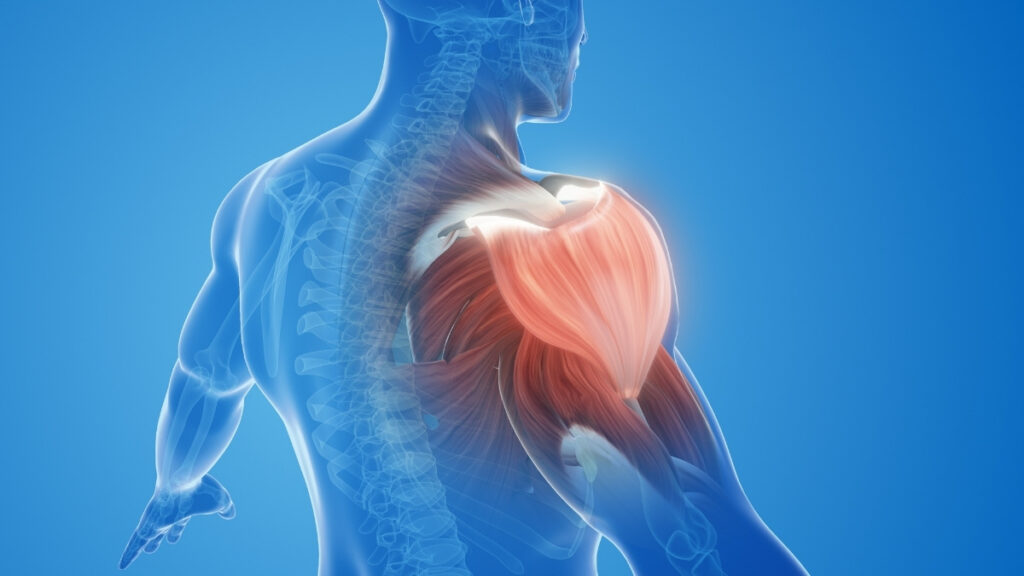
After 60, you lose 3-8% of your muscle mass every decade. That might not sound like much until you realize muscle burns calories even when you're sitting still. Lose muscle, and you lose 100-150 calories of daily burn. That's like adding an extra snack you never ate.
This happens whether you notice it or not. Your arms might look the same. Your legs feel fine. But inside, muscle tissue is quietly disappearing.
Hormonal Changes
Growth hormone drops. Testosterone declines (yes, in women too). Your thyroid slows down. These hormones tell your body to burn fat for energy. When they decline, your body switches to storage mode instead.
Think of hormones as messengers. They tell your cells what to do with food. After 60, these messengers stop showing up for work.
Your Cells Get Tired
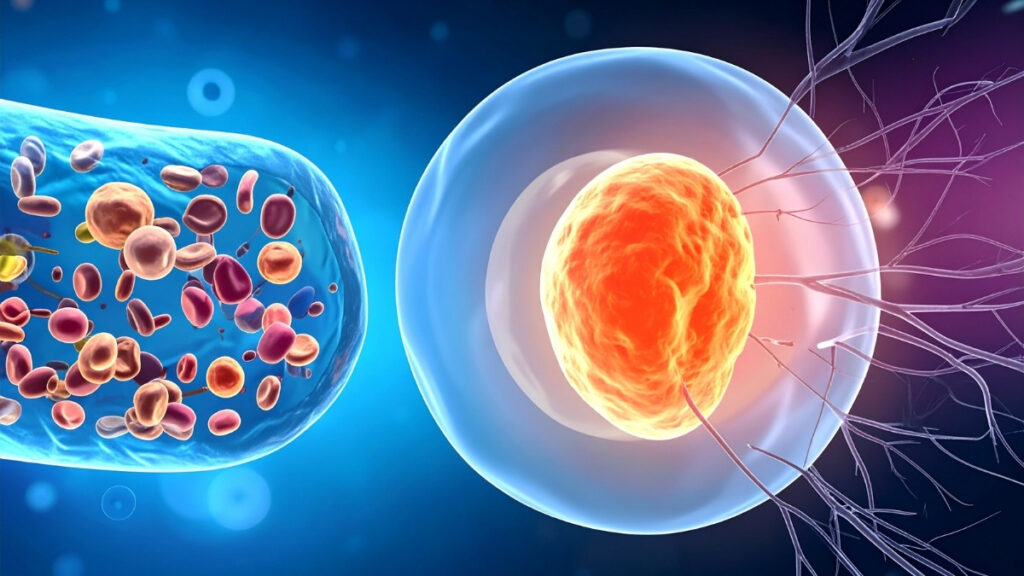
Inside every cell, you have mitochondria. These are tiny power plants that turn food into energy. After 60, these power plants become less efficient. They burn 20-25% fewer calories at rest.
Your body is working with older equipment. It needs more fuel to do the same job.
Insulin Resistance
Your cells become less responsive to insulin. This hormone moves sugar from your blood into cells for energy. When cells ignore insulin, sugar gets stored as fat instead. Even moderate amounts of carbs can trigger storage.
You eat the same pasta dish you've eaten for years. Your body now handles it completely differently.
Compare two people. Both weigh 150 pounds. One is 40 years old. One is 65. The younger person burns about 1,850 calories daily at rest. The older person? Around 1,550 calories. That's 300 fewer calories burned doing absolutely nothing.
Over a month, that's 9,000 calories. Over a year, that's 109,500 calories. Translated to pounds? About 31 pounds of potential weight gain if you eat the same way you always have.
This is why "eat less, move more" fails for your age group. The equation changed. You need a new formula.
Why Eating Less After 60 Can Slow Fat Burning
Sarah is 62. She eats 1,200 calories a day. She's gaining weight. This seems impossible. But it's happening to thousands of people your age.
Your Body Enters Survival Mode
Severe calorie restriction triggers an ancient survival mechanism. Your body thinks food is scarce. It slows down everything to conserve energy. Your metabolism drops an additional 15-20% beyond the normal age-related decline.
You're not just eating less. You're teaching your body to need less.
You're Burning Muscle, Not Fat
Low-calorie diets cause muscle breakdown. Your body needs protein and energy to maintain muscle. When you don't provide enough, it breaks down muscle tissue for fuel. Remember, muscle burns calories. Lose muscle, lose metabolic rate. You're solving the wrong problem.
You're Not Getting Enough Nutrients
Older adults need MORE nutrients, not less food. You need more protein to prevent muscle loss. More vitamin B12 because your stomach acid declines. More vitamin D because your skin produces less. More calcium because absorption decreases.
Eating 1,200 calories makes it nearly impossible to get what you need. You're malnourished on a diet.
Stress Hormones Rise
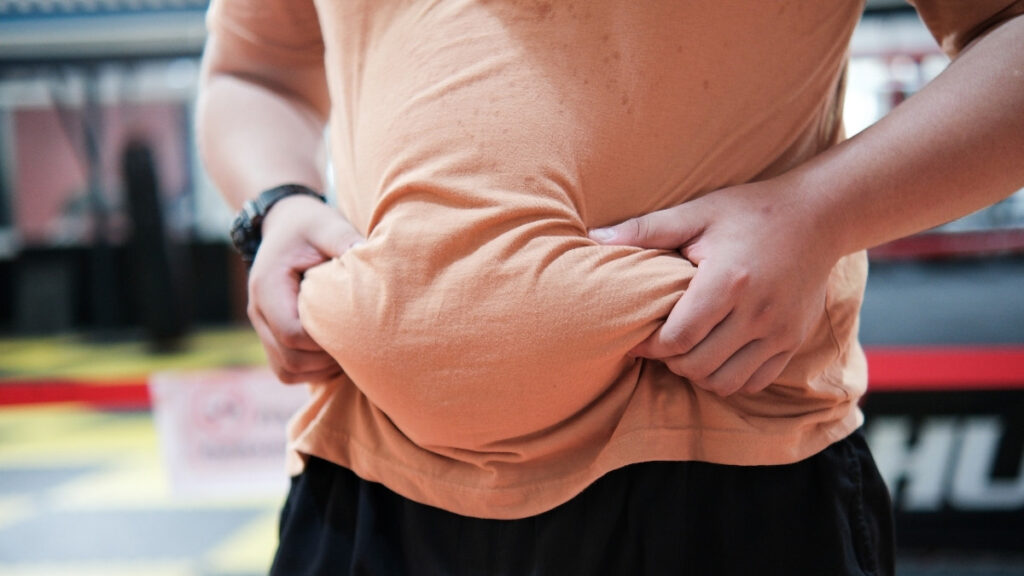
Chronic restriction raises cortisol. This stress hormone tells your body to store fat, especially around your belly. You're stressed about your weight. Your diet creates more stress. The stress makes you gain weight. It's a trap.
Your Body Stops Moving

Not exercise. The little movements throughout the day. Fidgeting. Adjusting your position. Walking to the kitchen. These burn 300-500 calories daily. When you restrict calories too much, your body conserves energy by reducing these spontaneous movements. You sit more. You move less. You don't even notice.
Research shows this metabolic adaptation is stronger in older adults. A 2024 study found that people over 60 who cut calories by 40% saw their metabolism drop by 25% within 8 weeks. Their bodies adapted fast.
Eating less isn't the answer. Eating right is.
The 3 Pillars of a Metabolism-Restarting Diet After 60
Forget what you know about dieting. This approach is different.
Pillar 1: Higher Protein Intake

You need 30-35% of your calories from protein. That's higher than standard recommendations, and it's supposed to be.
Older adults need 1.2-1.6 grams of protein per kilogram of body weight. Not the 0.8 grams doctors recommend for younger people. That old number doesn't prevent muscle loss after 60.
Let's do the math. You weigh 150 pounds. That's 68 kilograms. You need 82-109 grams of protein daily. Not 55 grams like the old guidelines suggest. Why so much?
Protein has the highest thermic effect of all foods. Your body burns 25-30% of protein's calories just digesting it. Eat 100 calories of protein, and your body uses 30 calories to process it. That's automatic calorie burn.
Protein preserves muscle mass during fat loss. It tells your body to burn fat, not muscle. It increases satiety. You feel full longer. You eat less overall without trying.
Best high-protein foods for seniors:
- Greek yogurt (easy to chew, 20g per cup)
- Eggs (soft, affordable, 6g each)
- Chicken breast (tender when cooked right, 30g per 4oz)
- Cottage cheese (no chewing needed, 14g per half cup)
- Salmon (omega-3 bonus, 25g per 4oz)
- Lentils (fiber plus protein, 18g per cup)
- Turkey (lean, 25g per 4oz)
- Beans (budget-friendly, 15g per cup)
- Lean beef (iron boost, 25g per 4oz)
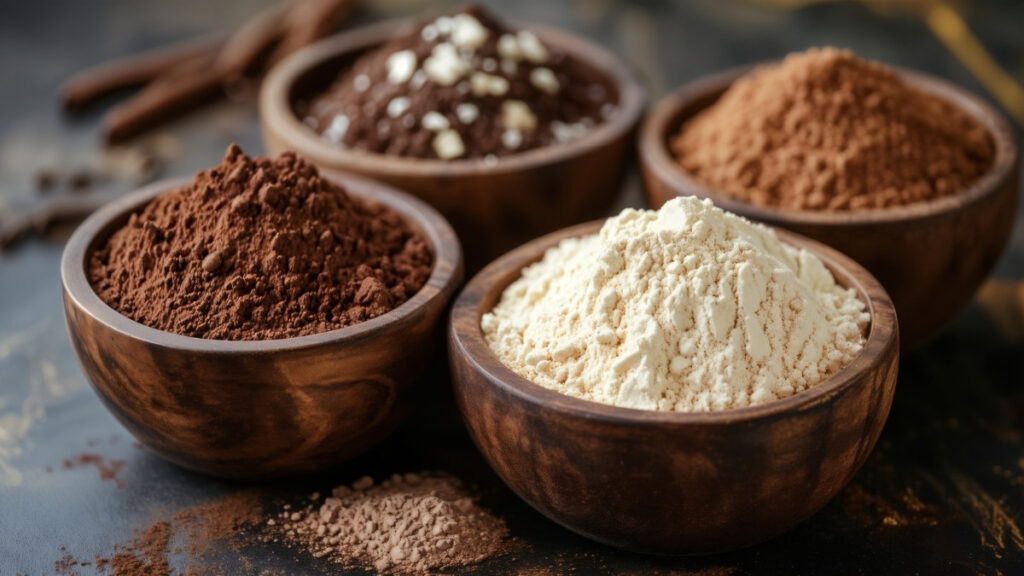
- Protein powder (convenient, 20-25g per scoop)
Pillar 2: Strategic Carbohydrate Timing
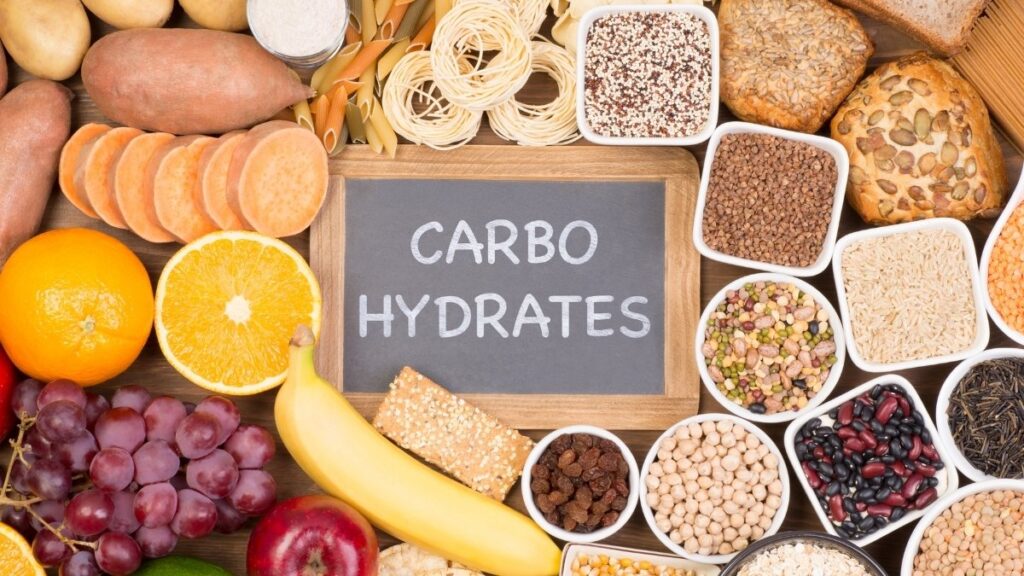
Not all carb timing is equal after 60. Eat carbs when your insulin sensitivity is highest: morning and after physical activity. Your body handles carbs better at these times. They're more likely to fuel energy than get stored as fat.
Focus on fiber-rich complex carbs. Aim for a 3:1 fiber-to-carb ratio when possible. The fiber slows digestion. This prevents blood sugar spikes. Stable blood sugar means less insulin. Less insulin means less fat storage.
Avoid constant carb grazing. Every time you eat carbs, insulin rises. When insulin is high, fat burning stops. If insulin never comes down, you never burn fat. Three meals plus one or two snacks give your body breaks.
Smart carb choices:
- Oats (4g fiber per half cup)
- Quinoa (5g fiber per cup)
- Sweet potato (4g fiber per medium potato)
- Berries (8g fiber per cup)
- Beans (15g fiber per cup)
- Brown rice (3.5g fiber per cup)
Pillar 3: Anti-Inflammatory Fats
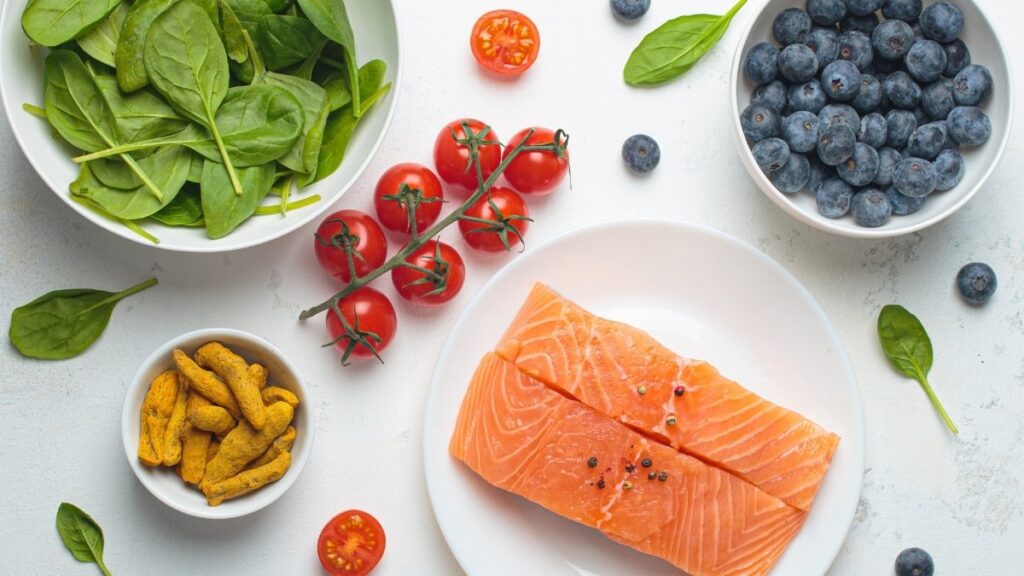
Fat doesn't make you fat. The right fats help you burn fat. Omega-3s from fatty fish support mitochondrial function. Remember those tired cellular power plants? Omega-3s help them work better. Better mitochondria mean more calorie burn.
Monounsaturated fats improve insulin sensitivity. Your cells respond better to insulin. Sugar goes to energy, not storage.
You need adequate fat intake for hormone production. Those declining hormones we discussed? Your body makes them from fat. Cut fat too low, and hormone production drops further. Aim for 25-30% of calories from healthy fats.
Day 1-2
Establish Baseline
Eliminate processed food. Hit 25g protein at breakfast. You may feel hungry as body adjusts to real food.
Best fat sources:
- Olive oil (use it generously)
- Avocado (half has 15g healthy fat)
- Almonds (14g per ounce)
- Walnuts (omega-3 bonus, 18g per ounce)
- Fatty fish (salmon, mackerel, sardines)
- Chia seeds (9g per ounce)
- Flaxseeds (ground for absorption)
The 1-Week Metabolism-Restart Meal Framework
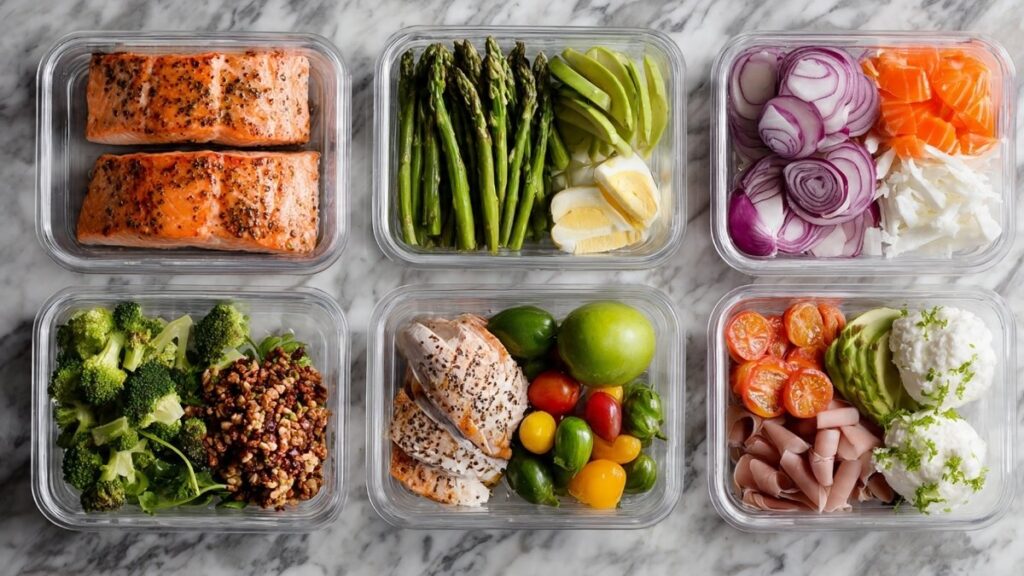
This isn't about perfection. It's about giving your body what it needs.
Your Daily Targets:
- Calories: 300-400 below maintenance (not 500-700)
- Meals: 3 meals + 1-2 snacks (not intermittent fasting)
- Protein per meal: 25-35 grams (this matters more than total daily)
- Water: 8-10 glasses (your thirst signals are weaker now)
Days 1-2: Foundation Phase
You're establishing your protein baseline and eliminating processed foods.
Sample Day:
Breakfast: Greek yogurt (1 cup, 20g protein) with half cup blueberries and 1 ounce walnuts
Lunch: Large salad with mixed greens, cherry tomatoes, cucumber, 4 ounces grilled chicken breast, 2 tablespoons olive oil, balsamic vinegar
Dinner: 6 ounces baked salmon, 1 cup roasted broccoli with garlic, half cup cooked quinoa
Snacks: Medium apple with 1 tablespoon almond butter, half cup cottage cheese
What to expect: You might feel hungrier than usual. That's normal. Your body is adjusting to real food instead of processed snacks. Drink water when hunger hits between meals.
Days 3-4: Optimization Phase
You're increasing vegetable volume and timing carbs strategically.
Sample Day:
Breakfast: 3-egg omelet with spinach, mushrooms, peppers, one slice whole grain toast with half avocado
Lunch: Lentil soup (2 cups), side salad with olive oil, 4 ounces grilled chicken breast
Dinner: Turkey meatballs (6 ounces) with zucchini noodles, half cup marinara sauce, side of steamed green beans
Snacks: Handful of almonds (1 ounce), protein smoothie made with protein powder, frozen berries, spinach, unsweetened almond milk
What to expect: Your energy should stabilize. No more afternoon crashes. Your clothes might feel slightly looser around the waist.
Days 5-7: Metabolism Activation Phase
You're hitting your rhythm with higher protein, diverse nutrients, and consistent timing.
Sample Day:
Breakfast: Half cup oats cooked with one scoop protein powder stirred in, topped with berries and 1 tablespoon chia seeds
Lunch: Tuna salad (5 ounces tuna, diced celery, Greek yogurt instead of mayo) served in two halved avocados, 5 whole grain crackers on the side
Dinner: 6 ounces grilled chicken breast, medium sweet potato (baked), 1 cup steamed green beans with almonds
Snacks: Two hard-boiled eggs, 3/4 cup Greek yogurt with cinnamon
What to expect: You should notice better sleep. More consistent bowel movements. Reduced bloating. The scale might show 2-4 pounds down (mostly water as inflammation decreases).
Your Shopping List for the Week:
- Proteins: Greek yogurt, cottage cheese, eggs (18 count), chicken breasts, salmon, tuna, turkey, lean ground beef
- Vegetables: Spinach, mixed greens, broccoli, green beans, peppers, zucchini, tomatoes
- Fruits: Blueberries, apples, lemons
- Healthy fats: Avocados, almonds, walnuts, olive oil, almond butter
- Complex carbs: Oats, quinoa, whole grain bread, sweet potatoes
- Pantry: Protein powder, chia seeds, cinnamon, garlic, balsamic vinegar
Prep Tips:
- Cook chicken breasts in bulk on Sunday
- Hard-boil a dozen eggs at the start of the week
- Wash and chop vegetables when you get home from the store
- Portion nuts into small containers (easy to overeat from the bag)
Common Concerns:
Constipation? You're increasing protein and might need more water and fiber. Add ground flaxseed to your yogurt or oatmeal.
Medication interactions? If you take blood thinners, talk to your doctor about vitamin K-rich greens. If you take diabetes medication, increased protein and decreased carbs might require dosage adjustments.
Limited mobility? Buy pre-cut vegetables. Use rotisserie chicken. Choose canned salmon and tuna. One-pot meals work great.
Foods That Signal Your Body to Burn Fat After 60
Some foods make your body work harder. They require more energy to digest. They stabilize blood sugar. They tell your cells to release stored fat.
High-Protein Foods
Every meal should include one:
- Chicken breast: 30g protein per 4 ounces, versatile, affordable
- Salmon: 25g protein per 4 ounces plus omega-3s for inflammation
- Eggs: 6g protein each, contains choline for brain health
- Greek yogurt: 20g protein per cup, calcium bonus
- Cottage cheese: 14g protein per half cup, easy to digest
- Lean beef: 25g protein per 4 ounces, high in iron
- Lentils: 18g protein per cup, fiber helps blood sugar
- Black beans: 15g protein per cup, budget-friendly
Fiber-Rich Vegetables
Target 25-30 grams of fiber daily:
- Spinach: Fills you up, barely any calories
- Kale: Vitamin K for bone health
- Broccoli: Compounds that support liver detoxification
- Cauliflower: Versatile, can replace rice or potatoes
- Brussels sprouts: High in fiber, vitamin C
- Asparagus: Natural diuretic, reduces bloating
- Bell peppers: Vitamin C helps collagen production
Metabolism-Supporting Fruits
Choose lower-sugar options:
- Berries: High antioxidants, low sugar impact
- Apples: Pectin fiber aids digestion
- Grapefruit: May improve insulin sensitivity
- Watermelon: Hydrating, contains amino acids
Whole Grains (Moderate Portions)
Half-cup servings:
- Oats: Beta-glucan fiber lowers cholesterol
- Quinoa: Complete protein, all 9 amino acids
- Brown rice: Steady energy release
Healthy Fats
Don't fear fat:
- Avocado: Potassium helps blood pressure
- Olive oil: Supports heart health
- Almonds: Vitamin E for skin and immunity
- Walnuts: Best plant source of omega-3s
- Chia seeds: Expands in stomach, increases fullness
- Flaxseeds: Lignans may balance hormones
Metabolism Boosters
Small additions that help:
- Green tea: EGCG compound may increase fat oxidation
- Coffee: Caffeine temporarily boosts metabolic rate (1-2 cups, not 6)
- Ginger: May reduce inflammation
- Turmeric: Curcumin supports joint health
- Cayenne pepper: Capsaicin creates slight thermogenic effect
Foods to Limit
These work against you:
- White bread, pasta, pastries: Spike blood sugar fast
- Sugary drinks and juice: Liquid calories don't satisfy hunger
- Processed meats: High sodium affects blood pressure
- Fried foods: Inflammatory oils damage cells
- Excessive alcohol: More than 1-2 drinks daily disrupts fat burning
Simple Swap Chart:
Instead of white rice → Eat quinoa or cauliflower rice
Instead of pasta → Eat zucchini noodles with regular pasta mixed in
Instead of chips → Eat almonds or vegetables with hummus
Instead of candy → Eat berries with dark chocolate chips
Instead of soda → Eat unsweetened iced tea with lemon
Instead of granola bars → Eat Greek yogurt with nuts
Instead of white bread → Eat whole grain bread (check fiber content)
Why these foods work specifically after 60: They require more energy to digest. They stabilize blood sugar so insulin stays low. They provide nutrients your aging body needs more of. They reduce inflammation that slows metabolism.
Cost and Accessibility:
Worried about price? Eggs, canned tuna, dried beans, frozen vegetables, and oats are the cheapest options. You don't need organic. You don't need exotic. Basic whole foods work.
No specialty stores required. Everything listed is available at regular grocery stores.
The 3 Biggest Mistakes That Keep Your Metabolism Stuck
You might be doing everything wrong without knowing it.
Mistake 1: Not Eating Enough Protein at Each Meal
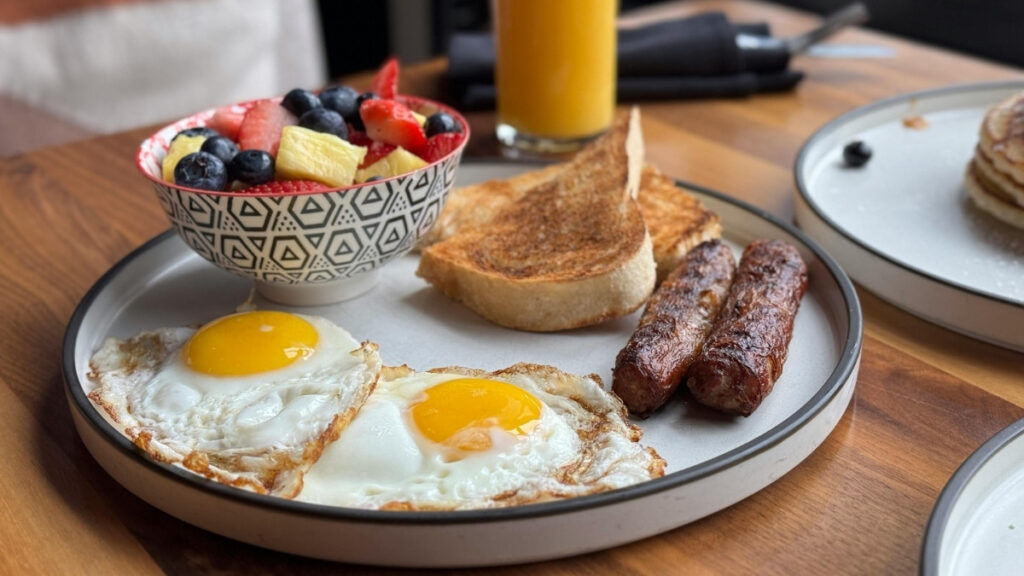
Eating 80 grams of protein daily sounds good. But if you have 10 grams at breakfast, 20 at lunch, and 50 at dinner, you're missing the point.
Your body can only use about 25-35 grams of protein per meal for muscle protein synthesis. That's the process of building and maintaining muscle. After 60, this process is less efficient. You need to hit that threshold at every meal, not just dinner.
Front-loading protein at breakfast is especially important. Your body was fasting overnight. It needs amino acids immediately to prevent muscle breakdown.
The fix: Aim for 30 grams of protein at breakfast, lunch, and dinner. That's two eggs plus Greek yogurt at breakfast. A chicken breast at lunch. Fish or lean meat at dinner.
Mistake 2: Over-Restricting Calories
Going below 1,400-1,500 calories for women or 1,600-1,800 for men triggers survival mode. Your body thinks famine is coming. It slows everything down to conserve energy.
You lose weight for a week or two. Then weight loss stops. You get frustrated and eat normally again. Your slowed metabolism can't handle normal calories. You gain everything back plus extra. This is metabolic damage.
The fix: Eat enough to prevent your body from panicking. A moderate 300-400 calorie deficit allows fat loss without triggering adaptation. Be patient. One pound per week is perfect at your age.
Mistake 3: Avoiding Resistance Training
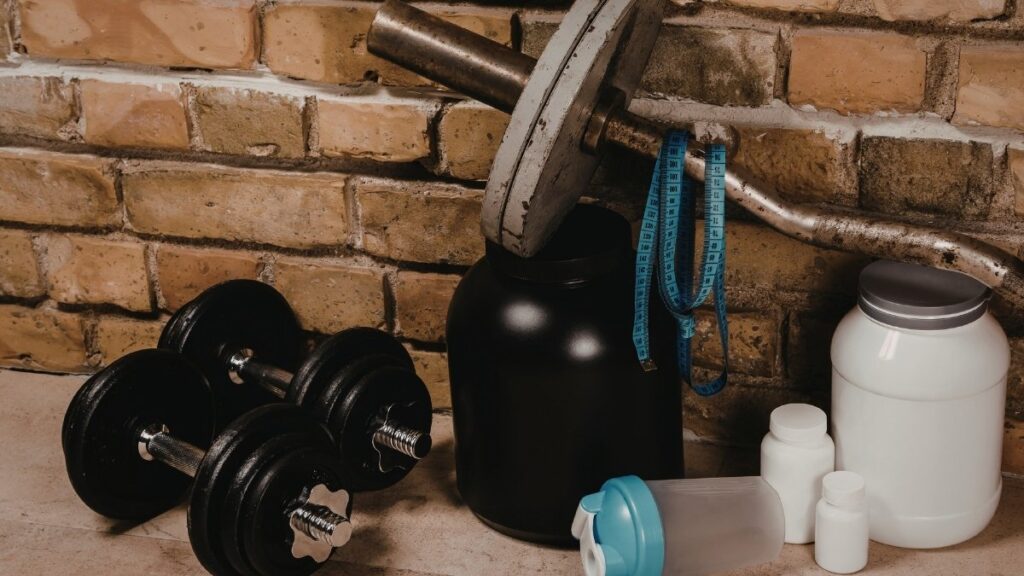
Walking is excellent. Keep doing it. But walking alone won't maintain your muscle mass.
After 60, muscle loss accelerates. Cardio doesn't build muscle. It might even speed up muscle loss if you're not eating enough protein.
You need resistance training. This means exercises where your muscles work against resistance. Bodyweight exercises count. Light dumbbells count. Resistance bands count.
Just twice per week is enough to preserve metabolic rate. You don't need a gym membership. You don't need to lift heavy weights.
The fix: Two days per week, do 15-20 minutes of resistance exercises. Squats holding a chair for balance. Wall push-ups. Seated leg lifts. Resistance band rows. These simple movements tell your body to keep your muscle.
Quick Self-Assessment:
Ask yourself:
- Did I have at least 25 grams of protein at breakfast? (If no, you're making mistake 1)
- Am I eating below 1,400 calories daily? (If yes, you're making mistake 2)
- Have I done any strength exercises this week? (If no, you're making mistake 3)
Realistic Expectations:
At 60+, healthy fat loss is 1-2 pounds per week maximum. Faster loss means you're losing muscle, not just fat. This is a marathon, not a sprint. You're rebuilding your metabolism. That takes time.
What to Expect Week by Week
Real change happens in stages.
Week 1:
The scale drops 2-4 pounds. Most of this is water weight. Your body releases water as inflammation decreases. Your cells were holding onto water due to processed food and high sodium.
You'll notice increased energy as your blood sugar stabilizes. No more afternoon crashes. No more brain fog after meals.
Sleep quality improves. Your body isn't working as hard to digest junk food overnight. You wake up more refreshed.
Bloating reduces significantly. Your stomach feels flatter. Your pants fit better even before major fat loss.
Week 2-3:
Real fat loss begins. Expect 1-1.5 pounds per week. This is actual body fat leaving, not just water.
Your clothes fit differently, especially around your waist. This is the first place most people notice change. Your shirts aren't as tight. Your belt moves in a notch.
Digestion improves. Regular bowel movements. Less gas. Your gut bacteria are adjusting to real food.
Energy becomes more consistent throughout the day. You're not reaching for sugar or caffeine to stay awake.
Week 4-6:
Your metabolism is adapting. Your body is becoming more efficient at fat burning. It's learning to use stored fat for energy instead of always expecting food.
You'll see visible muscle definition you didn't have before. Your arms look more toned. Your legs have more shape. This is muscle showing through as fat decreases.
Strength and mobility improve significantly. Stairs are easier. You can carry groceries without feeling wiped out. Your balance is better.
Blood markers improve. If you get blood work done, your doctor might notice better A1C levels, improved lipid panels, and lower inflammation markers.
Why the Scale Might Fluctuate:
You're building muscle while losing fat. Muscle weighs more than fat by volume. You might lose fat but gain muscle, so the scale doesn't move. This is actually good. Trust how your clothes fit instead.
Water retention varies daily. Sodium intake, hydration, hormones, and even sleep affect water weight. A 2-3 pound fluctuation means nothing.
Signs Your Metabolism is Improving Beyond the Scale:
- You're less hungry between meals
- You have energy in the afternoon
- You sleep through the night
- Your mood is more stable
- You're not thinking about food constantly
- Your skin looks clearer
- You recover faster from activity
- You're not as cold all the time (sign your metabolism is working)
Supporting Your Metabolism Beyond Diet
Food is crucial. But other factors control your metabolic rate too.
Sleep Quality
You need 7-8 hours. Not optional. Growth hormone releases during deep sleep. This hormone helps burn fat and maintain muscle. Poor sleep cuts growth hormone production by up to 70%.
Poor sleep also increases ghrelin (hunger hormone) and decreases leptin (fullness hormone). You eat more the day after bad sleep without realizing it.
Sleep tips for seniors:
- Keep your bedroom cool (65-68 degrees)
- No screens 1 hour before bed
- Same bedtime every night, even weekends
- No caffeine after 2 PM
- Get morning sunlight to regulate circadian rhythm
Stress Management
Chronic stress keeps cortisol elevated. High cortisol tells your body to store belly fat. It also breaks down muscle tissue for energy.
Stress management doesn't mean yoga (though that works too). It means:
- Social connection (call a friend, join a group)
- Time in nature (even 20 minutes helps)
- Deep breathing (5 minutes when you feel stressed)
- Hobbies you enjoy
- Helping others (volunteer work lowers cortisol)
Movement Throughout the Day
This isn't exercise. This is just moving. These small movements burn 300-500 extra calories daily. That's significant.
After 60, people tend to sit more. Your body conserves energy naturally. You have to fight this.
Simple daily movement goals:
- Stand up every hour
- Take the stairs when possible
- Park farther away
- Walk while talking on the phone
- Do housework at a moderate pace
- Garden (great for movement and stress)
- Play with grandchildren
Hydration
Drink 8-10 glasses of water daily. Your thirst signals weaken after 60. You're dehydrated before you feel thirsty.
Cold water may increase metabolic rate by 30% for 30-40 minutes. It's a small effect but adds up over a day.
Dehydration slows every metabolic process. Your body can't burn fat efficiently without adequate water.
Medical Optimization
Some medical issues slow metabolism. Get these checked:
Thyroid function: Hypothyroidism is common after 60 and slows metabolism by 10-20%
Vitamin D levels: Deficiency is linked to weight gain and muscle loss
Testosterone: Low testosterone in men slows fat burning and muscle maintenance
Medications: Some drugs slow metabolism (certain antidepressants, beta-blockers, steroids, antihistamines)
Talk to your doctor about metabolic testing if:
- You've followed this plan for 8 weeks with no results
- You're gaining weight despite eating well
- You're always cold
- You're exhausted despite good sleep
- You have unexplained hair loss or dry skin
Your Metabolism Can Work Again
Your metabolism after 60 isn't broken. It's different.
The hormonal shifts happened. The muscle loss is real. The cellular changes are there.
But different just means you need a different approach.
Higher protein at every meal. Adequate calories so your body doesn't panic. Strategic nutrition timing that works with your insulin sensitivity. Patience while your body remembers how to burn fat.
This 1-week framework gives your body the nutrients it needs. It restarts fat burning without triggering survival mode. It preserves the muscle you have while burning stored fat.
Start tomorrow with Day 1. Track your energy levels and sleep quality. Notice how your clothes fit, not just what the scale says.
Give your body 4-6 weeks to respond. This isn't a quick fix. You're retraining your metabolism. That takes time.
If you have diabetes, heart disease, or take medications, talk to your doctor before making dietary changes. Show them this plan. Most doctors will support this approach because it's based on how aging bodies actually work.
Your body can burn fat efficiently again. It just needs the right signals. You're about to send those signals.