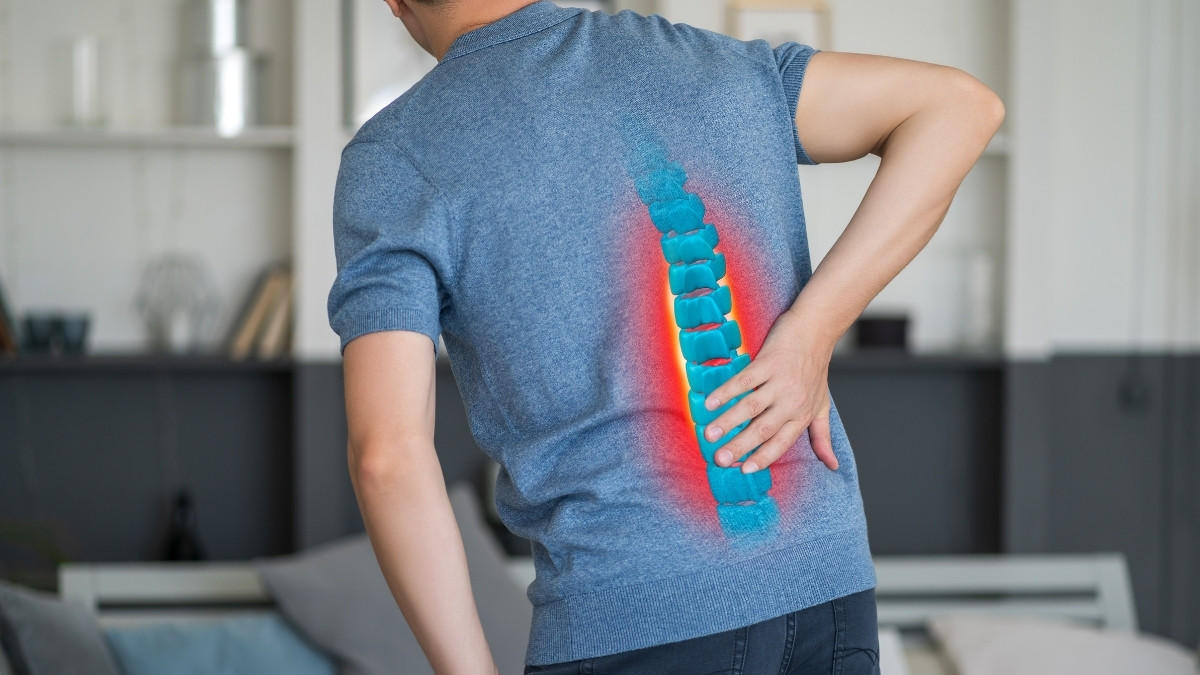
Spinal Health: The Nutrient-Dense Diet That Supports Disc Repair and Keeps You Standing Tall
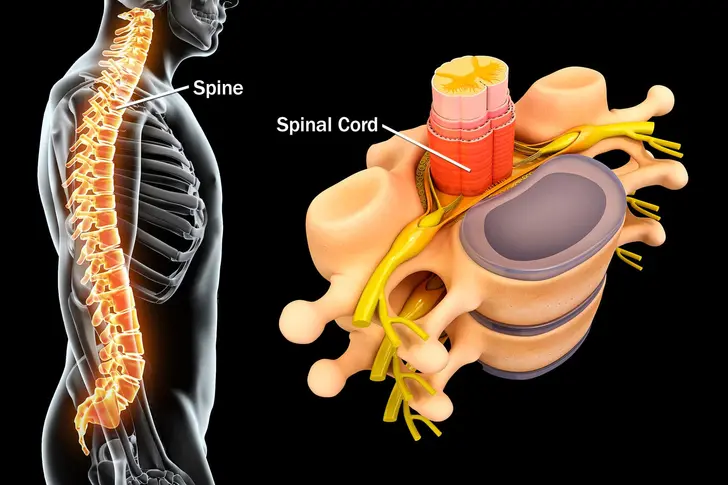
Your spine doesn’t just support your body; it houses your central nervous system, and what you eat directly determines whether it thrives or deteriorates. Most people don’t realize their diet is either feeding disc degeneration or fighting it.
They’re experiencing back pain, reduced mobility, or have been told surgery is their only option, unaware that strategic nutrition can change the trajectory.
This guide reveals which specific nutrients repair intervertebral discs, the exact foods that reduce spinal inflammation, and how to structure meals for optimal spine support.
You’ll discover why hydration matters more than you think and identify the foods actively damaging your vertebrae. A nutrient-dense diet for spinal health isn’t just about prevention; it’s about supporting disc repair and giving your body the building blocks it needs through spine health nutrition strategies that work.
Collagen & C
The Framework
Collagen is the main protein in your discs. Vitamin C converts proline to hydroxyproline to make it stable. Without this, the spine weakens.
Why Your Disc Health Depends on What You Eat
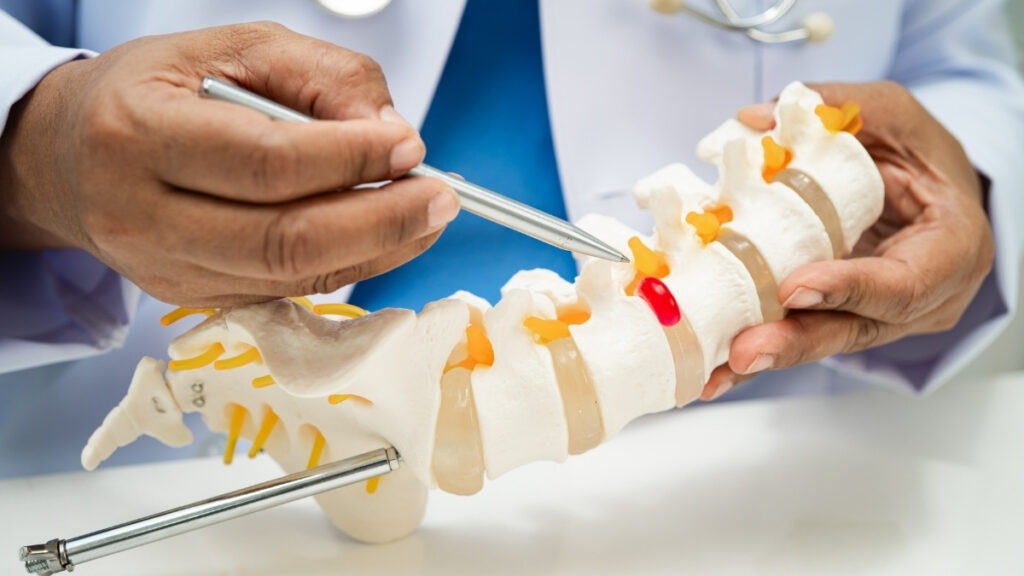
Your spine has a problem. The discs between your vertebrae—those cushiony pads that keep your back from grinding bone on bone—barely get any blood flow. That means they can't grab nutrients the normal way.
Instead, they rely on diffusion. Think of it like a sponge soaking up water. Your discs pull in nutrients from the tissue around them. If you're not eating the right foods, those discs starve.
Here's what makes this worse: your discs are 70-80% water. When they dry out, they lose their ability to absorb shock. Every step you take sends more impact through your spine. Every time you bend over or lift something, your vertebrae get a little closer to rubbing together.
And by age 30, if you're not feeding your discs properly, they start breaking down. The numbers tell the story. People who eat the most inflammatory foods have 25% higher odds of chronic low back pain compared to those who eat clean. That's a massive difference.
But there's good news. Plant compounds called flavonoids, terpenoids, and polyphenolics can actually help repair disc damage and reduce pain. Your diet isn't just about avoiding more damage. It's about giving your spine what it needs to heal.
Your discs get nutrients through two main routes: the capillary beds at the end plates of your vertebrae and the outer ring of the disc itself. Both pathways need the right raw materials to work. Feed your discs, and they'll keep protecting your spine for decades.
The 7 Essential Nutrients for Disc Repair and Spine Strength
Your spine needs specific building blocks to repair itself. Not just any healthy food will do. Here are the seven nutrients that actually rebuild discs and strengthen vertebrae.
1. Collagen (with Vitamin C and Glycine)

Collagen is the main protein in your discs. Without it, your spine literally falls apart. But here's the catch: your body needs glycine to make collagen, and most people don't get enough. Glycine makes up about one-third of all collagen. The average diet falls 5-10 grams short every single day.
Vitamin C is just as critical. Your body uses it to convert proline into hydroxyproline. That conversion is what makes collagen stable and strong.
When researchers gave people vitamin C supplements, they healed bone fractures faster, produced more type I collagen, and had less oxidative stress damaging their tissues.
Where to get it: Bone broth is the best source because it's loaded with glycine and proline. Also eat gelatin, wild-caught salmon, and chicken with the skin on. For vitamin C, go for citrus fruits, bell peppers, and kiwi.
2. Omega-3 Fatty Acids
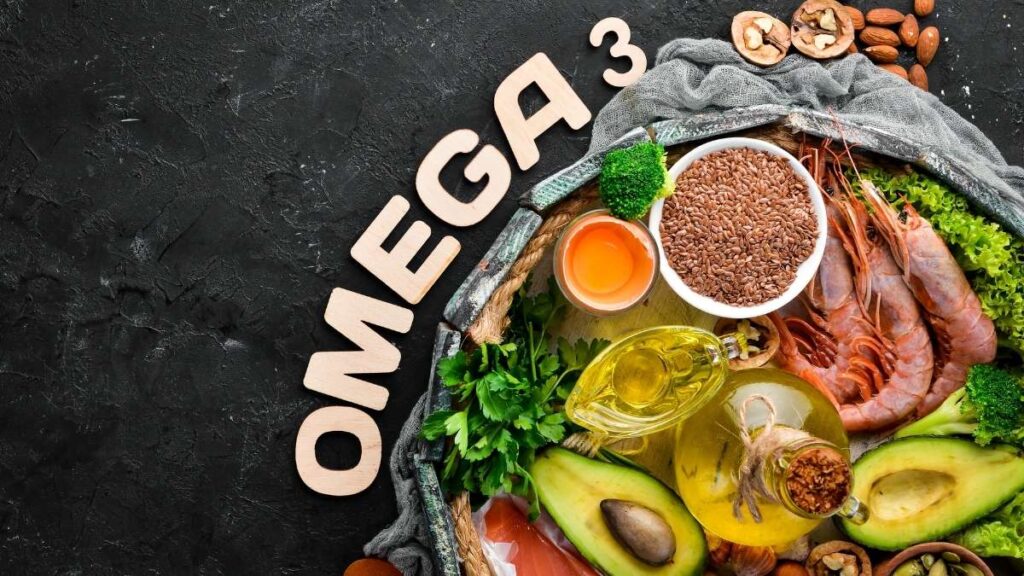
Inflammation destroys your discs. Omega-3s fight back. These fats regulate your body's inflammatory response and protect against chronic inflammatory conditions.
When people eat fish rich in omega-3s, their levels of C-reactive protein and interleukin-6 drop significantly. Both of these proteins cause inflammation and pain. You need at least 3-4 ounces of fatty fish twice a week.
Where to get it: Salmon, sardines, mackerel, and anchovies are the best fish sources. If you don't eat fish, try walnuts, chia seeds, and flaxseeds. The plant versions aren't quite as powerful, but they still help.
3. Calcium and Vitamin D
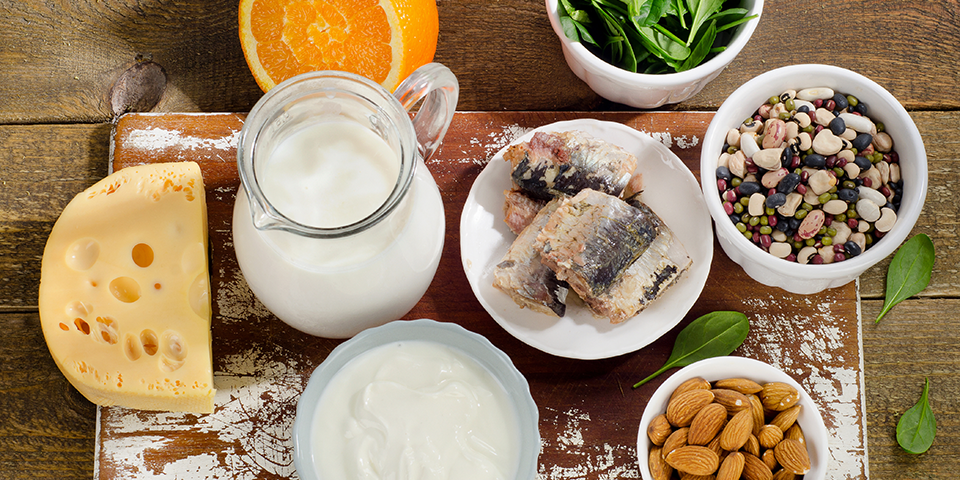
These two work as a team. You can't have strong vertebrae without both. Calcium builds bone density. Vitamin D helps your gut absorb that calcium.
Without enough vitamin D, you could eat calcium all day and still have weak bones. If you're over 50, aim for 800-1,000 IU of vitamin D daily.
Where to get it: Fatty fish like salmon and mackerel give you both nutrients. Egg yolks and shiitake mushrooms provide vitamin D. For calcium, eat leafy greens and dairy products (if you tolerate them). Many foods are fortified with both nutrients—check the labels.
4. Magnesium
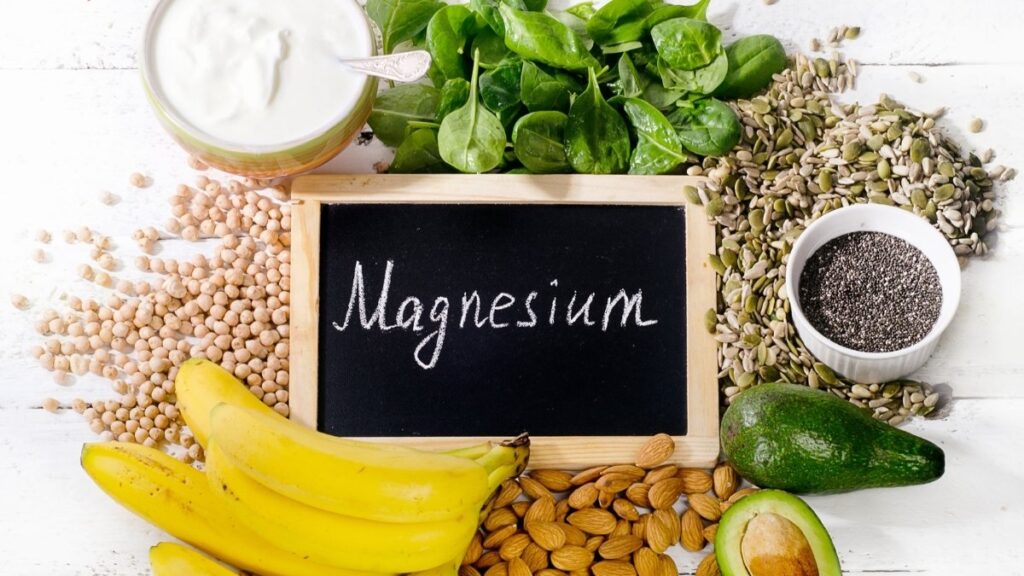
Magnesium does two critical jobs for your spine. First, it helps pull calcium from your blood into your bones.
Second, it converts vitamin D into its active form so your body can actually use it. Without magnesium, your calcium and vitamin D supplements are wasted. Shoot for 400-800mg daily.
Where to get it: Spinach is packed with magnesium. Pumpkin seeds, sesame seeds, and sunflower seeds are excellent sources. Mackerel, quinoa, and almonds also deliver solid amounts.
5. Vitamin K2

This vitamin doesn't get much attention, but it's essential for bone quality. In one study, postmenopausal women with osteoporosis took vitamin K2 supplements.
They experienced significant improvements in bone mineral density and a reduction in fracture risk. K2 works better than K1 for bone health because your body absorbs it more efficiently. The best supplemental form is MK-7. Take 45-150 micrograms daily.
Where to get it: Natto (fermented soybeans) is the absolute best source, but it's an acquired taste. Brie and Gouda cheese have decent amounts. Meat, poultry, and eggs provide some K2, but not as much as fermented foods.
6. Antioxidants (Vitamins C, E, and Polyphenols)

Free radicals damage your discs over time. Antioxidants neutralize those free radicals and reduce inflammation.
Fruits and vegetables are loaded with antioxidants that support your immune system and help fight inflammation. Berries deserve special mention because they contain anthocyanins, which are particularly good at reducing inflammation.
Where to get it: Blueberries, blackberries, cherries, strawberries, and dark grapes. Leafy greens like kale and spinach. Green tea is also an excellent source of polyphenols.
7. Protein (Collagen-Building Amino Acids)
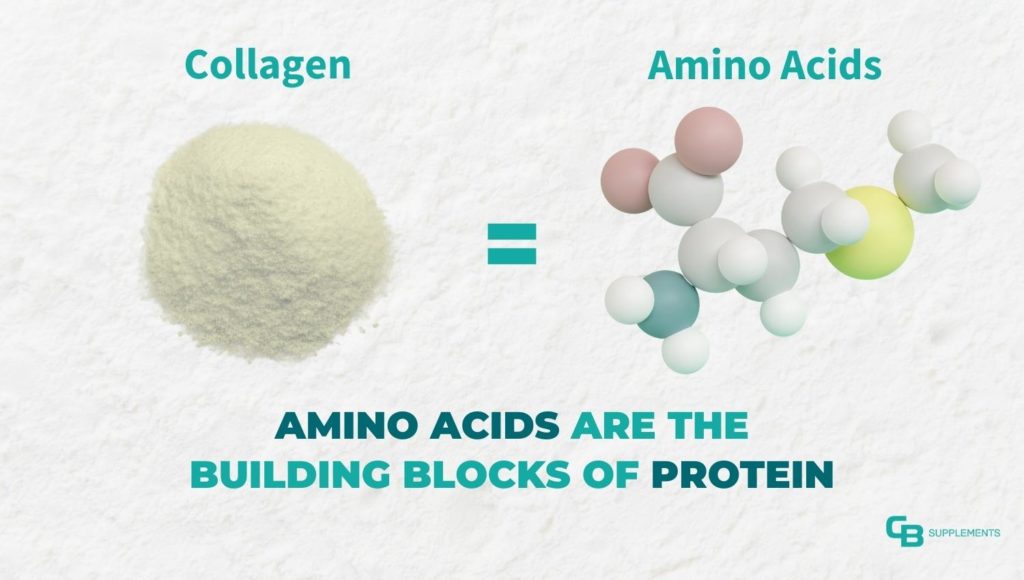
Protein provides the building blocks for muscles, ligaments, and soft tissues surrounding your spine. Strong muscles support your vertebrae and take pressure off your discs.
You need a balance of animal and plant proteins to get all the amino acids your body needs.
Where to get it: Lean meats, eggs, and salmon for animal protein. Beans, legumes, nuts, and seeds for plant protein. Variety matters—mix it up throughout the week.
When you combine these seven nutrients, you give your spine everything it needs to repair discs, strengthen bones, and reduce inflammation. This isn't about taking a magic pill. It's about consistently eating foods that rebuild your back from the inside out.
The Disc Dilemma
Starving Discs
Discs have almost no blood flow. They rely on "diffusion" (like a sponge) to soak up nutrients. If you don't eat right, they starve and shrink.
The Anti-Inflammatory Mediterranean Approach to Spine Health

If you want to reduce spine pain, steal from the Mediterranean. Researchers put chronic pain patients on a Mediterranean diet with a twist: no red meat, no gluten, no cow's milk. The results were impressive. Patients showed improved physical characteristics, lower stress levels, and significant pain reduction.
Even moderate weight loss helped. When people dropped a few pounds, their C-reactive protein levels fell. That's important because C-reactive protein causes inflammation throughout your body, including your spine. Less body weight also means less stress on your joints and discs.
The core of the Mediterranean diet is simple: fish, vegetables, and olive oil. All three contain compounds that fight inflammation.
Studies on vegetarian dietary patterns show that antioxidants like vitamins C, E, and A have anti-inflammatory effects strong enough to reduce pain thresholds. Your body literally becomes more resistant to pain when you eat this way.
Compare that to the Western diet. Energy-dense foods like refined grains, red meat, saturated fat, trans fats, and sugary foods increase inflammatory markers in your blood. More inflammation equals more pain.
Why Olive Oil Matters
Olive oil contains a compound called oleocanthal. It lowers inflammation and pain at the cellular level. The effect is real and measurable.
Use 2-3 tablespoons of extra virgin olive oil daily. Cook with it or pour it over salads.
The Turmeric Factor
Turmeric and its active ingredient curcumin reduce inflammation at the cellular level. Add it to your cooking whenever you can.
How to Build a Mediterranean Plate
Think of your plate in three sections:
Half your plate: Colorful vegetables or salad greens. The more colors, the better. Each color represents different antioxidants and nutrients.
Quarter of your plate: Lean protein. Focus on fish and legumes. If you eat poultry, choose that over red meat.
Quarter of your plate: Whole grains like quinoa or brown rice. Skip the white bread and pasta.
This eating pattern isn't a short-term diet. It's a sustainable way to eat for the rest of your life. You're not counting calories or cutting out entire food groups. You're simply choosing foods that calm inflammation instead of fueling it.
The Mediterranean approach works because it addresses the root cause of most spine pain: chronic inflammation. Feed your body anti-inflammatory foods, and your back will feel the difference within weeks.
Hydration: The Most Overlooked Factor in Disc Health

Water keeps your discs alive. In a healthy disc, the nucleus pulposus (the gel-like center) is about 80% water. The annulus fibrosus (the outer ring) is about 70% water. When those percentages drop, your discs shrink and lose their ability to cushion your spine.
Remember, discs don't have direct blood supply. They rely on diffusion to absorb water and nutrients from the surrounding vertebrae. If you're dehydrated, that diffusion process slows down. Your discs get less of what they need.
Dehydration leads to decreased disc height and elasticity. Your discs become stiffer. They stop absorbing shock the way they should. Every impact goes straight into your vertebrae.
Here's what happens during a normal day: when you're upright and moving around, your discs are under load. They lose water. But they're designed for this. After losing water under pressure, the disc has a higher concentration of electrolytes inside.
Your discs literally rehydrate overnight. They increase in size while you sleep, then decrease during the day when you're upright. This cycle is normal and healthy—as long as you're drinking enough water.
Chronic dehydration breaks that cycle. Your discs can't fully rehydrate at night. Over time, they stay compressed. This accelerates disc degeneration and increases your risk of herniation and degenerative disc disease.
Hydrated discs maintain proper spacing between vertebrae. That reduces the risk of nerve compression. When discs dry out and shrink, vertebrae move closer together. Nerves get pinched. That's when you feel shooting pain down your leg or numbness in your extremities.
Beyond Drinking Plain Water
Water-rich foods help too. Cucumbers, watermelon, oranges, tomatoes, and berries all contribute to your daily fluid intake. They also provide vitamins and minerals that support overall health.
Practical Hydration Tips
Start your day with a glass of water before coffee. End your day with another glass before bed.
Check your urine color. Aim for pale yellow. Dark yellow or amber means you need more water.
Balance your caffeine. For every cup of coffee or tea, drink one glass of water. Caffeine pulls water out of your system.
Move throughout the day. Movement enhances nutrient transport into your discs. Walking, stretching, and changing positions help your discs absorb the water they need.
Hydration isn't glamorous. Nobody writes bestselling books about drinking water. But it's the foundation of disc health. Miss this basic step, and no amount of supplements or special foods will save your spine.
Foods That Destroy Your Spine (What to Avoid)
Some foods slowly wreck your spine. Cut them out, and you'll feel better faster.
Refined Sugar
Diets high in refined sugar impair bone growth. Sugar interferes with how your body builds and maintains bone tissue. It also spikes inflammation throughout your body. Swap sugary snacks for fruit. You'll get sweetness plus vitamins and fiber.
Processed Foods
Most processed foods are loaded with salt. Salt increases calcium excretion through your urine. Your body flushes out the calcium it needs for strong bones.
Even worse, the Western diet—high in refined grains, red meat, processed meat, saturated fat, and trans fats—is associated with elevated IL-6 and CRP levels. Both of these markers indicate serious inflammation.
Carbonated Soft Drinks
The phosphates and coloring agents in soda interfere with calcium metabolism. Your bones can't use calcium properly when you're drinking soda regularly. Diet soda isn't better. It still contains the same problematic ingredients.
Excessive Caffeine
One or two cups of coffee won't hurt you. But four or more cups daily can result in loss of calcium and magnesium through urine. Both minerals are critical for bone strength.
If you're a heavy coffee drinker, cut back or balance it with extra water and mineral-rich foods.
Alcohol
Alcohol alters bone formation. It disrupts calcium balance and interferes with hormones that regulate bone health. Even moderate drinking can slow down bone repair. If you drink, keep it minimal—and definitely avoid binge drinking.
Smoking and Vaping
Smoking a pack daily increases your osteoporosis risk by 60%. That's a massive jump. Adolescents who smoke fail to achieve peak bone mass. They enter adulthood with weaker bones than they should have.
That sets them up for problems later in life. Vaping isn't safe either. The chemicals still interfere with bone health.
The Saturated Fat Problem
Saturated fats from grain-fed red meat and whole-fat dairy promote inflammation. Trans fats in baked goods and crackers trigger inflammatory responses throughout your body.
You don't have to eliminate all meat or dairy. Just choose grass-fed beef when possible, pick low-fat dairy options, and avoid processed baked goods made with hydrogenated oils.
The pattern is clear: processed foods, excess sugar, and unhealthy fats create inflammation. Inflammation destroys your discs and weakens your bones. Clean up your diet, and your spine gets a chance to heal.
Your 7-Day Spine-Healing Meal Plan

Here's exactly what to eat for a week to support disc repair and reduce inflammation.
Day 1
Breakfast: Steel-cut oats topped with blueberries, chia seeds, and walnuts. Drizzle with a bit of honey if you need sweetness.
Lunch: Grilled salmon over mixed greens with cherry tomatoes, cucumbers, and bell peppers. Dress with olive oil and lemon juice. Side of quinoa.
Dinner: Baked chicken breast with roasted Brussels sprouts, sweet potato, and a side salad.
Snack: Hummus with sliced bell peppers and a handful of almonds.
Hydration reminder: Start your day with water and keep a water bottle with you all day.
Day 2
Breakfast: Scrambled eggs with spinach and mushrooms. Slice of whole-grain toast with avocado.
Lunch: Turkey and vegetable soup with bone broth base. Add carrots, celery, kale, and white beans. Whole-grain crackers on the side.
Dinner: Wild-caught cod with roasted asparagus and brown rice. Drizzle everything with olive oil and fresh herbs.
Snack: Greek yogurt with strawberries and a sprinkle of flaxseeds.
Hydration reminder: One glass of water for every cup of coffee.
Day 3
Breakfast: Smoothie with spinach, frozen berries, banana, chia seeds, and almond milk. Add a scoop of collagen peptides.
Lunch: Chickpea and quinoa salad with cucumbers, tomatoes, red onion, parsley, and olive oil dressing.
Dinner: Grilled chicken thighs with roasted rainbow carrots, zucchini, and wild rice. Season with turmeric and black pepper.
Snack: Apple slices with almond butter.
Hydration reminder: Drink water before each meal.
Day 4
Breakfast: Whole-grain toast with mashed avocado, poached egg, and a side of berries.
Lunch: Sardines on mixed greens with olives, artichoke hearts, cherry tomatoes, and olive oil dressing.
Dinner: Baked salmon with roasted broccoli, cauliflower, and sweet potato wedges.
Snack: Trail mix with walnuts, almonds, and dried cherries (no added sugar).
Hydration reminder: Water-rich foods count—eat your cucumbers and tomatoes.
Day 5
Breakfast: Greek yogurt bowl with blackberries, pumpkin seeds, and a drizzle of honey.
Lunch: Bone broth soup with shredded chicken, carrots, celery, and brown rice noodles. Season with ginger and turmeric.
Dinner: Grass-fed beef stir-fry (small portion) with tons of vegetables: bell peppers, snap peas, mushrooms, and bok choy. Serve over quinoa.
Snack: Celery sticks with hummus.
Hydration reminder: End your day with herbal tea and water.
Day 6
Breakfast: Omelet with bell peppers, onions, and spinach. Side of sliced oranges.
Lunch: Tuna salad made with olive oil (not mayo) over mixed greens. Add cucumbers, tomatoes, and olives. Whole-grain roll on the side.
Dinner: Roasted chicken with rosemary, roasted root vegetables (parsnips, carrots, turnips), and a big green salad.
Snack: Dark grapes and a handful of walnuts.
Hydration reminder: Check your urine color. Pale yellow is the goal.
Day 7
Breakfast: Overnight oats made with almond milk, topped with sliced kiwi, chia seeds, and a sprinkle of cinnamon.
Lunch: Lentil soup with vegetables and a side salad with olive oil dressing.
Dinner: Baked mackerel with roasted Brussels sprouts, butternut squash, and wild rice. Squeeze fresh lemon over everything.
Snack: Sliced bell peppers with guacamole.
Hydration reminder: Movement helps your discs absorb nutrients. Take a walk after dinner.
Supplements for Spinal Disc Support: What Actually Works
Food should always come first. But sometimes you need supplements.
When Supplements Make Sense
You might need supplements if you have dietary restrictions that eliminate key food groups. People with food allergies often can't get all the nutrients they need from diet alone.
As you age, your body absorbs nutrients less efficiently. The elderly almost always benefit from supplementation.
If you get less than 20 minutes of sunlight daily, you probably need vitamin D.
Anyone with a diagnosed spine or bone disease should work with their doctor on a supplement plan.
Evidence-Based Supplements That Work
Glucosamine supports joint health and may reduce inflammation around discs. The research shows it helps, though it's not a miracle cure.
Collagen supplements improve hydration and elasticity in disc tissue. They provide the amino acids your body needs for repair. Take 10-15 grams of collagen peptides daily.
Vitamin C acts as a cofactor for collagen formation. Your body can't make stable collagen without it. If you're not eating citrus fruits and bell peppers daily, supplement with 500-1000mg.
Omega-3 fatty acids provide powerful anti-inflammatory benefits. They modulate inflammation around discs and facet joints. Check the label for EPA and DHA content. You want at least 1000mg combined daily.
Vitamin D is critical, but the right dose depends on your blood levels. Get tested, then personalize your dose. Most people need 1000-2000 IU daily, but some need more.
Safety First
Talk to your healthcare provider before starting supplements if you're pregnant, nursing, diabetic, or taking blood thinners. Some supplements interact with medications.
Start with one supplement at a time. That way, if you have a reaction, you'll know which one caused it.
Track your results every two weeks. Are you feeling better? Worse? The same? Write it down. Supplements take time to work—don't expect overnight changes.
Food vs. Supplements
Always prefer food sources over supplements when possible. Real food contains thousands of compounds that work together. Supplements give you isolated nutrients.
For example, eating salmon gives you omega-3s plus vitamin D, protein, selenium, and other nutrients. A fish oil capsule only gives you omega-3s.
But if you can't or won't eat salmon, the supplement is better than nothing.
What to Skip
Don't waste money on proprietary blends that hide ingredient amounts. If a company won't tell you exactly what's in the bottle, don't buy it.
Avoid supplements with long lists of additives, fillers, and artificial colors. You want the active ingredient, not a bunch of junk.
Look for third-party testing. Brands that use NSF, USP, or ConsumerLab certification have been independently verified for quality.
Supplements can fill nutritional gaps, but they're not magic. Combine them with a nutrient-dense diet, proper hydration, and regular movement for the best results.
Special Considerations: Nutrition for Surgery Recovery
Surgery puts massive demands on your body. Nutrition can make or break your recovery.
Research shows that optimizing nutrition before surgery significantly affects surgical outcomes. Poor nutrition increases the incidence of postoperative complications. Infections, slow healing, and prolonged pain are all more common in people who eat poorly.
After surgery, your body enters a hyper-metabolic state. You need 10-12 calories per pound of your ideal body weight daily just to heal properly. That's a lot more than normal.
One study looked at patients recovering from spinal fusion. Those who took vitamin D plus calcium supplements for three months after surgery had shorter time to fusion, better spinal function, and less pain compared to those who only took calcium.
Protein is crucial for tissue growth and repair. It helps you fight infection and reduces inflammation. Don't cut calories after surgery—your body needs fuel to heal. Instead, focus on increasing protein intake while maintaining your overall calorie needs.
What to Eat
Continue eating anti-inflammatory foods just like you did before surgery. Your body is dealing with surgical inflammation on top of any chronic inflammation you already had.
Increase protein to 1.2-1.5 grams per kilogram of body weight. Eat lean meats, fish, eggs, beans, and legumes at every meal.
Maintain hydration. Your body needs water to transport nutrients to healing tissues and flush out waste products.
Consider collagen supplementation. It provides the specific amino acids your body needs to rebuild connective tissue.
What to Avoid
Don't fall into the trap of eating comfort foods just because you're recovering. Processed foods, sugar, and excess sodium will slow your healing.
Don't restrict calories. This is not the time to diet.
Don't skip meals. Your body is working 24/7 to repair itself. Give it consistent fuel.
The Bottom Line
Surgery recovery is a critical window. What you eat during the first few months after surgery can determine whether you heal quickly with minimal complications or struggle with prolonged pain and setbacks. Make nutrition a priority, and your body will thank you.
Take Control of Your Spine Health Today
Your discs need specific nutrients to stay healthy. Without them, degeneration is inevitable.
The anti-inflammatory Mediterranean approach gives you the best chance at reducing pain and repairing damage. Fish, vegetables, olive oil, and whole grains fight inflammation at the cellular level.
Hydration is non-negotiable. Your discs are mostly water. When you're dehydrated, they shrink and lose their ability to protect your spine.
Focus on these essential nutrients: collagen with vitamin C and glycine, omega-3 fatty acids, calcium and vitamin D working together, magnesium, vitamin K2, antioxidants, and protein. These aren't optional. They're the building blocks of disc repair.
Avoid the foods that destroy your spine. Refined sugar, processed foods, carbonated soft drinks, excessive caffeine, alcohol, and smoking all accelerate degeneration.
The good news? It's never too late to improve your spine health through diet. Even if you've had symptoms for years, changing what you eat can reduce pain and slow further damage.
Start Small
You don't have to overhaul your entire diet overnight. Start with one change this week.
Swap sugary drinks for water. Add a serving of fatty fish like salmon or sardines. Incorporate bone broth into your routine. Any of these changes will move you in the right direction.
A nutrient-dense diet for spinal health isn't a temporary fix—it's a lifelong investment in mobility, comfort, and standing tall for decades to come.
Your spine supports everything you do. Every step, every movement, every moment of your life depends on it. Give it the nutrition it needs, and it will keep supporting you.