

8 Green Juices That Overload Your Liver With Oxalates (Hepatologists Share the Data)
A 65-year-old woman developed end-stage renal disease after just 10 days of drinking green smoothies—her kidneys never recovered. While green juices are marketed as the ultimate health solution, recent medical cases reveal a darker truth: severe kidney damage from seemingly innocent juice cleanses.
Hepatologists now report cases where green smoothie cleanses caused acute kidney injury, sometimes progressing to irreversible end-stage renal disease. The hidden culprit? Oxalates in concentrated form.
This article exposes eight common green juice ingredients with dangerously high oxalate levels, backed by research showing their specific content.
You’ll discover who faces the greatest risk and learn evidence-based strategies to reduce oxalate absorption safely—because what’s marketed as wellness shouldn’t destroy your kidneys.
⚠️ KIDNEY HAZARD SCANNER
Scan ingredients before you blend. High oxalates = Crystal formation.
READY TO SCAN
Select an ingredient below to detect oxalate levels.
The 8 Green Juice Ingredients That Can Cause Kidney Failure (And What to Drink Instead)
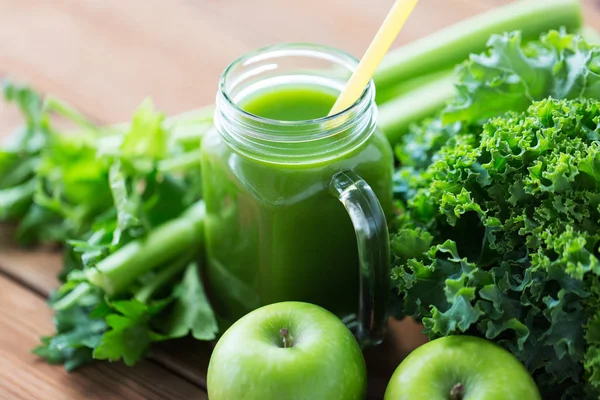
Green juice sounds healthy. But some vegetables can shut down your kidneys when you drink them in large amounts. This isn’t a theory—doctors have documented real cases where people ended up on dialysis after juice cleanses.
The problem is oxalates. These natural compounds build up in your body when you consume too much. Your kidneys can’t keep up, and the damage can be permanent.
What Are Oxalates and Why Do They Matter?

Oxalates are natural compounds that plants create. Your body can’t use them, so they pass through your system. But when you consume too much, they form crystals in your kidneys.
There are two types: soluble and insoluble. Soluble oxalates are the dangerous ones because your body absorbs them quickly. Most people eat about 120mg of oxalates daily. But people on juice cleanses can hit 1,500mg—that’s over 10 times the normal amount.
Key Points:
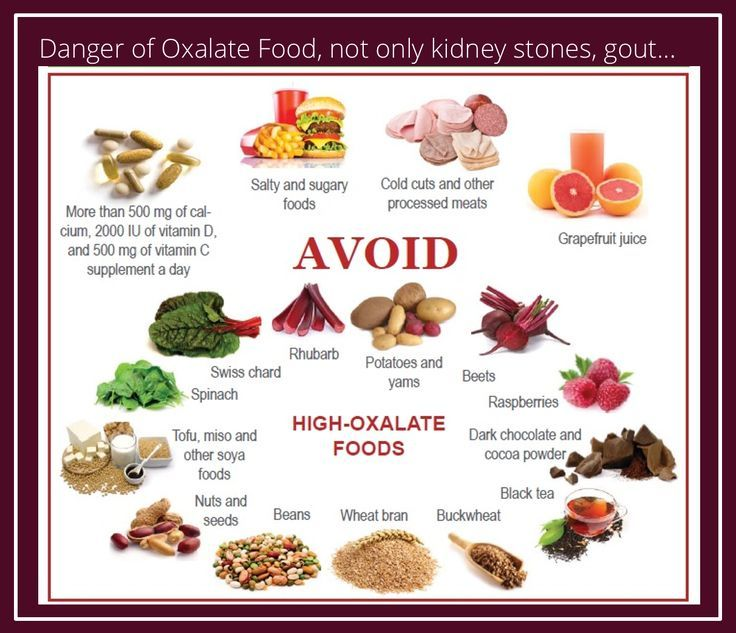
- Spinach contains 647 to 1,287mg of oxalates per 100 grams
- Frozen spinach has 737mg of soluble oxalates per 100 grams
- Soluble oxalates absorb faster and cause more damage
- Normal intake is 120mg daily; juice cleanses can deliver 1,500mg
The Medical Evidence: When Green Juices Go Wrong
A 65-year-old woman tried a green smoothie cleanse. She developed acute kidney injury that destroyed her kidneys completely. Now she needs dialysis for life.
A 68-year-old man had healthy kidneys. He started drinking vegetable juice with lots of spinach every day. After six months, his kidneys failed. Another woman drank just two cups of spinach daily for 10 days. Her kidneys shut down.
These aren’t isolated cases. Over 25 years, doctors reviewed 7,000 kidney biopsies. They found 65 cases where oxalate crystals caused kidney failure. Three of those came from high-oxalate diets.
Key Points:
- Multiple documented cases of kidney failure from green juice cleanses
- Liquid oxalates absorb faster than oxalates from solid food
- Kidney damage can happen in as little as 10 days
- Some patients need dialysis for the rest of their lives
The 8 Most Dangerous High-Oxalate Green Juice Ingredients
#1: Raw Spinach Juice
Raw spinach contains 490 to 970mg of oxalates per 100 grams. A single 200-gram glass of spinach juice delivers over 160mg of soluble oxalates. That’s more than most people consume in an entire day.
Spinach is the most popular green juice base. This makes it the most common cause of oxalate poisoning. When researchers tested 310 spinach varieties, every single one contained dangerously high oxalate levels.
Key Points:
- Contains 647-1,287mg oxalates per 100g (tested across 310 varieties)
- One glass can exceed your daily safe oxalate limit
- Most popular juice ingredient = highest risk
#2: Swiss Chard Juice
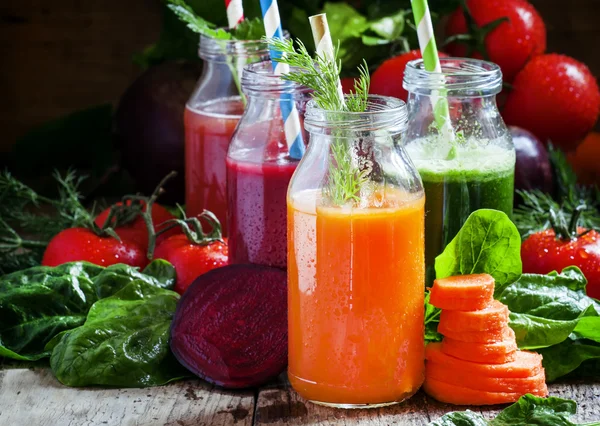
Red chard contains 1,170mg of oxalates per 100 grams. White and green chard aren’t much better at 960mg per 100 grams. One cup of raw red Swiss chard packs 1,167mg of oxalates.
Doctors frequently cite chard in kidney failure cases. It has a similar oxalate profile to spinach, which means it’s just as dangerous in juice form.
Key Points:
- Red chard: 1,170mg oxalates per 100g
- White/green chard: 960mg per 100g
- Frequently appears in kidney failure case reports
- Similar danger level to spinach
#3: Beet Greens Juice
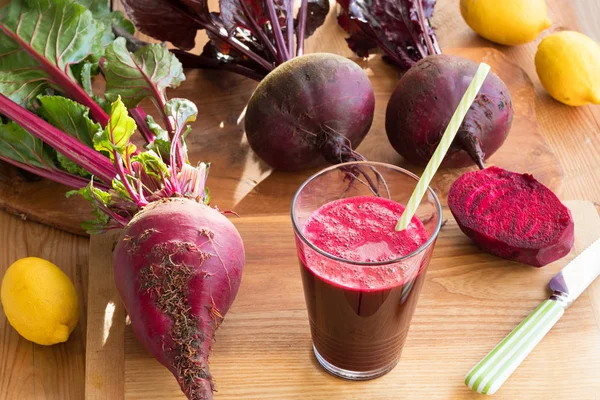
Beet greens contain 916mg of oxalates per serving. Most people throw them away, but “zero waste” juicing has made them popular. This is a mistake.
Beet greens are part of the “danger trifecta” along with spinach and chard. All three can damage your kidneys when consumed in juice form.
Key Points:
- Contains 916mg oxalates per serving
- Increasingly used in zero-waste juicing trends
- Part of the three most dangerous greens for juicing
#4: Rhubarb Juice

Rhubarb contains 1,235mg of oxalates per 100 grams of fresh weight. Even rhubarb nectar has 198mg per 100ml. Medical textbooks have documented rhubarb poisoning for decades.
Doctors warn against drinking four cups of rhubarb juice daily. Even smaller amounts in juice cleanses can be dangerous because they concentrate the oxalates.
Key Points:
- Contains 1,235mg oxalates per 100g fresh weight
- Rhubarb nectar: 198mg per 100ml
- Historically cited in oxalate poisoning cases
- Should never be consumed in large amounts
#5: Beetroot Juice
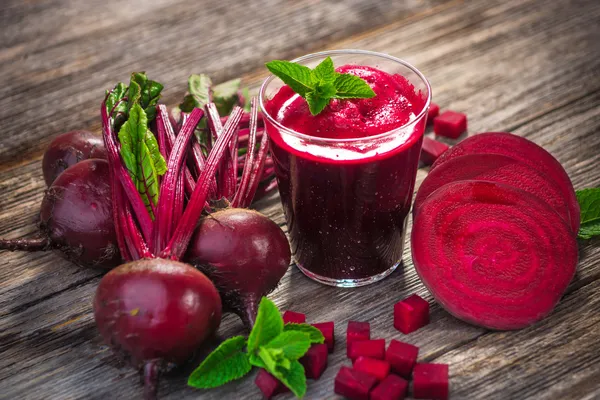
Beetroot juice contains 66mg of oxalates per 100ml. That means one cup delivers 164mg. While lower than spinach, it’s still high enough to cause problems.
Athletes love beetroot juice for performance. But drinking it daily adds to your total oxalate load. Combined with other high-oxalate foods, it can push you over the edge.
Key Points:
- Contains 60-70mg oxalates per 100ml
- One cup = 164mg oxalates
- Popular in athletic performance drinks
- Concentrated form increases risk
#6: Concentrated Parsley Juice
Parsley contains high levels of oxalates. When you use it as a garnish, you eat maybe a tablespoon. That’s safe. But when you juice it, you can consume the equivalent of several cups in one glass.
People add parsley to juices for “detox” benefits. But large amounts can overload your kidneys with oxalates. The concentration is what makes it dangerous.
Key Points:
- High oxalate levels when consumed in large amounts
- Safe as a garnish (small amounts)
- Dangerous when juiced in concentrated form
- Often added to juice cleanses
🍏 Build A Safe Blend
Pick ingredients to fill the blender. Watch your Kidney Safety Score!
#7: Classic Green Juice Combo (Spinach + Celery + Green Apple)
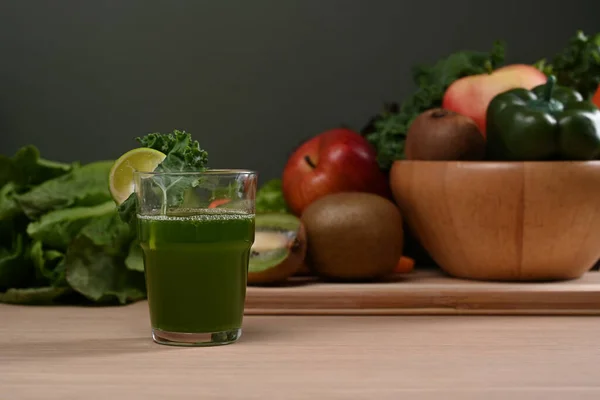
This is the recipe most beginners try. It combines spinach (extremely high in oxalates) with celery (moderate oxalates) and apple. The problem is volume.
One glass seems harmless. But juice cleanses recommend 3-6 glasses daily. That multiplies your oxalate intake to dangerous levels. The spinach alone can deliver over 600mg of oxalates in a day.
Key Points:
- Popular beginner recipe
- Combines high-oxalate base with moderate ingredients
- Multiple glasses per day = dangerous oxalate overload
- Spinach is the main problem ingredient
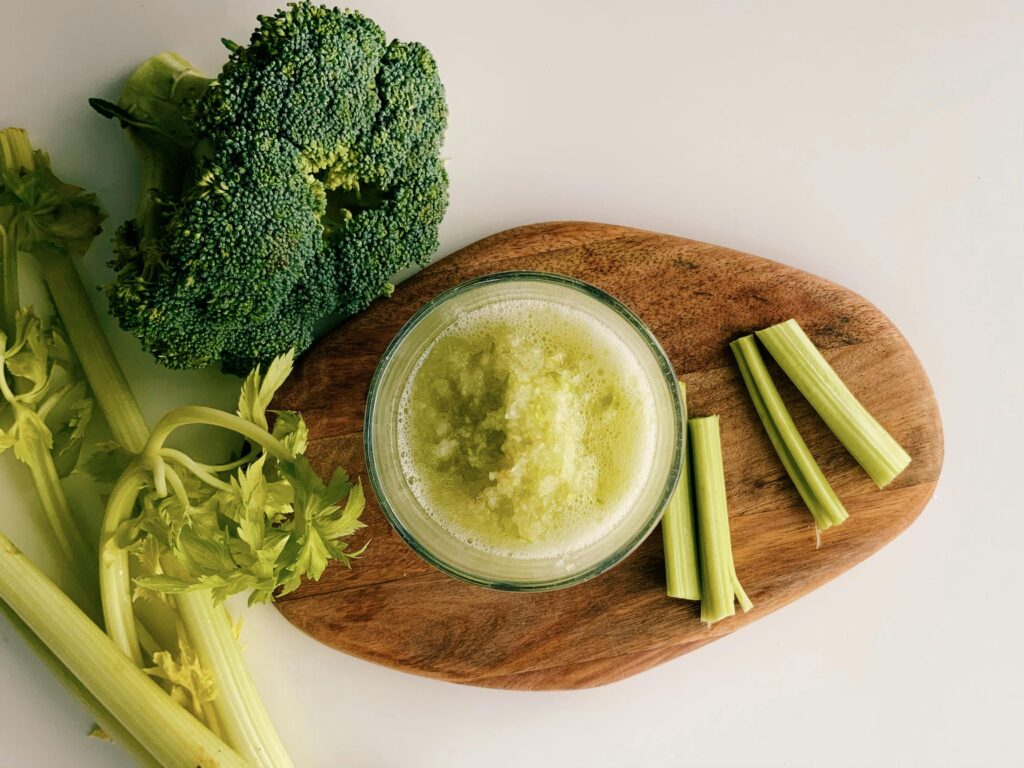
#8: High-Volume Broccoli Juice
One person drank 800ml of broccoli juice daily for four weeks. They developed liver toxicity. That amount equals about 18 cups of raw broccoli per day.
Broccoli has lower oxalates than leafy greens. But this case shows that overconsumption of any concentrated vegetable juice can harm you. Your body isn’t designed to process such extreme amounts.
Key Points:
- 800ml daily caused liver toxicity in one documented case
- Equals about 18 cups of raw broccoli daily
- Lower in oxalates but still dangerous in extreme amounts
- Proves that concentration is the problem, not just oxalate content
Who Is Most at Risk for Oxalate Overload?

Some people absorb more oxalates than others. If you’ve had gastric bypass surgery, your gut absorbs oxalates more easily. Chronic diarrhea does the same thing.
Long-term antibiotic use kills the gut bacteria that normally break down oxalates. This means more oxalates enter your bloodstream. People with kidney disease, diabetes, or who are elderly face higher risks because their kidneys already work less efficiently.
Key Points:
- Gastric bypass patients absorb more oxalates
- Chronic diarrhea increases absorption
- Antibiotics kill oxalate-eating gut bacteria
- Kidney disease, diabetes, and age increase risk
- History of kidney stones = higher risk
- Vitamin C supplements over 2,000mg daily worsen the problem
- Dehydration during cleanses concentrates oxalates
How Juicing Makes Oxalates More Dangerous
Juicing removes fiber. Fiber normally binds to some oxalates and carries them out of your body. Without it, you absorb more. Juicing also concentrates vegetables into small volumes.
Liquid oxalates absorb faster than oxalates from solid food. Your body gets hit with a massive dose all at once. One woman would have needed to eat 650 cups of kale daily to match the oxalates she got from her spinach juice.
Key Points:
- Removes protective fiber that binds oxalates
- Concentrates large amounts of vegetables into small volumes
- Liquid form absorbs faster than solid food
- Masticating juicers extract more soluble oxalates
- Cooking reduces oxalates: boiling red chard for 12 minutes drops total oxalates from 1,170mg to 430mg
5 Science-Backed Ways to Reduce Oxalate Absorption

Add calcium-rich foods when you eat high-oxalate vegetables. Calcium binds to oxalates in your gut before they can enter your bloodstream. This stops them from reaching your kidneys.
Boil high-oxalate greens before eating them. Boiling spinach, beet greens, and Swiss chard removes 60% of their oxalates into the cooking water. Pour that water down the sink—don’t use it for soup or anything else.
Key Points:
- Pair high-oxalate foods with milk, yogurt, or cheese
- Boil greens to remove 60% of oxalates (discard cooking water)
- Limit high-oxalate greens to one serving daily
- Choose low-oxalate alternatives like kale, collards, or arugula
- Stay hydrated to dilute urine oxalate concentration
- Switch to kale-based juices (kale has hundreds of times less oxalates than spinach)
- Avoid juice cleanse protocols
- Rotate your greens instead of using the same one daily
Low-Oxalate Green Juice Alternatives
Kale contains only 4-18mg of oxalates per cup. Compare that to spinach at 970mg. Collard greens have just 74mg per serving. These are safe for daily juicing.
Romaine lettuce, cucumber, and bok choy are also low in oxalates. Use cucumber as your juice base—it’s mostly water and adds volume without oxalates. Celery is fine in moderation.
Safe Green Juice Recipe:
- 2 cups kale
- 1 cucumber
- 2 celery stalks
- 1 green apple
- Fresh lemon juice
- Fresh ginger
Key Points:
- Kale: 4-18mg per cup (vs spinach 970mg)
- Collard greens: 74mg per serving
- Romaine lettuce, cucumber, and bok choy are all low-oxalate
- Use cucumber as a base for volume
- Celery is safe in moderate amounts
The Bottom Line: Green Juice Can Be Healthy—If You Do It Right
Green juices aren’t inherently bad. The problem is concentration and choice of ingredients. The “big three”—spinach, Swiss chard, and beet greens—can destroy your kidneys when juiced regularly.
Real people have ended up on dialysis from juice cleanses. These aren’t rare reactions. They’re predictable outcomes when you consume massive amounts of oxalates. If you have kidney disease, a history of kidney stones, or other risk factors, the danger is even higher.
What You Should Do:
- Talk to your doctor before starting any juice cleanse, especially if you have a history of kidney stones
- Switch to kale, collards, or romaine for daily juicing
- Never drink more than 1-2 servings of high-oxalate vegetables per day
- Add calcium-rich foods like yogurt to smoothies
- Stay hydrated
- Avoid juice cleanses that require drinking the same juice multiple times daily
Understanding green juice oxalates isn’t about eliminating these nutritious vegetables—it’s about consuming them wisely to protect your kidney health.