
15 Breakfast Habits That Destroy Collagen Before Noon (Dermatologists Reveal the ‘Sugar Sag’ Effect)
You’re spending $80 on retinol serums, but your morning coffee ritual is undoing everything before you even leave the house. Your skin looks older despite a good skincare routine, and there’s a reason why.
Dermatologists now confirm that 60% of visible aging is caused by internal factors, particularly behaviors that occur between 6 AM and noon. The “sugar sag” effect, a term used to describe glycation-induced collagen damage, starts at breakfast, and most people accelerate it without realizing.
In this guide, you’ll discover the 15 most common breakfast habits that destroy collagen, how the “sugar sag” effect works and how to stop it, simple swaps that protect skin from the inside out by avoiding collagen-damaging foods, and why timing matters as much as what you eat when it comes to sugar and skin aging.
The Sugar Sag
Glycation Attack
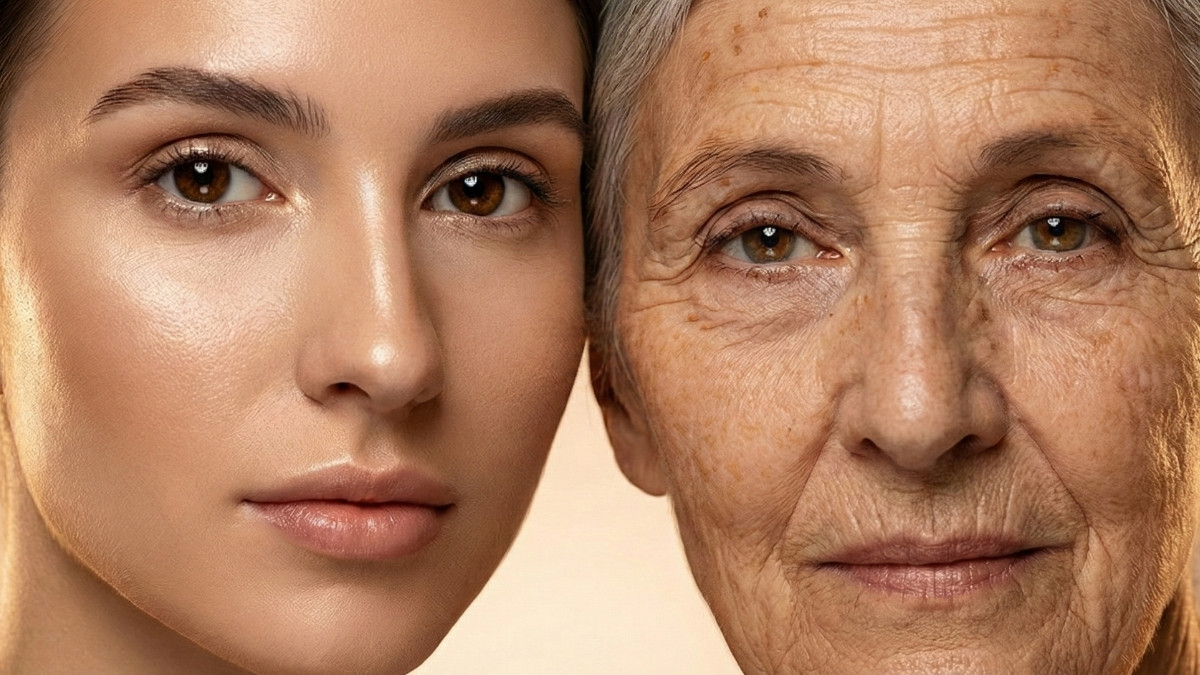
Sugar binds to collagen proteins, turning them brittle like burnt toast. This creates “Sugar Sag”—wrinkles that start from the inside out.
What Is the 'Sugar Sag' Effect Dermatologists Are Warning About?

Your skin has a hidden enemy working against it every single day. It's called glycation, and it happens when sugar molecules in your bloodstream attach themselves to the proteins in your collagen. These sugar molecules don't just sit there—they bind permanently to create something called Advanced Glycation End Products, or AGEs for short.
Think of AGEs like rust on metal. Once they form, they make your collagen stiff and brittle instead of flexible and strong. The damage starts happening in your twenties, but you won't see it until after age 30 when the effects really show up on your face.
Key facts about glycation: AGEs form through a process where reducing sugars meet amino groups in your skin proteins and create cross-links that your body can't easily repair. Glycated collagen first appears when you're just 20 years old and piles up at about 3.7% every year.
By the time you hit 80, you could have 30-50% more damaged collagen than you started with. Here's the scary part—fructose speeds up this browning reaction seven times faster than regular glucose. It's basically like caramelizing your skin from the inside out, except there's nothing sweet about the results.
The morning hours matter more than you think. Your cells are in a fasting state when you wake up, which makes them extra vulnerable to this glycation damage. What you eat for breakfast either protects your collagen or feeds the sugar molecules that destroy it.
1. Coffee Before 500ml Water = Instant Dehydration
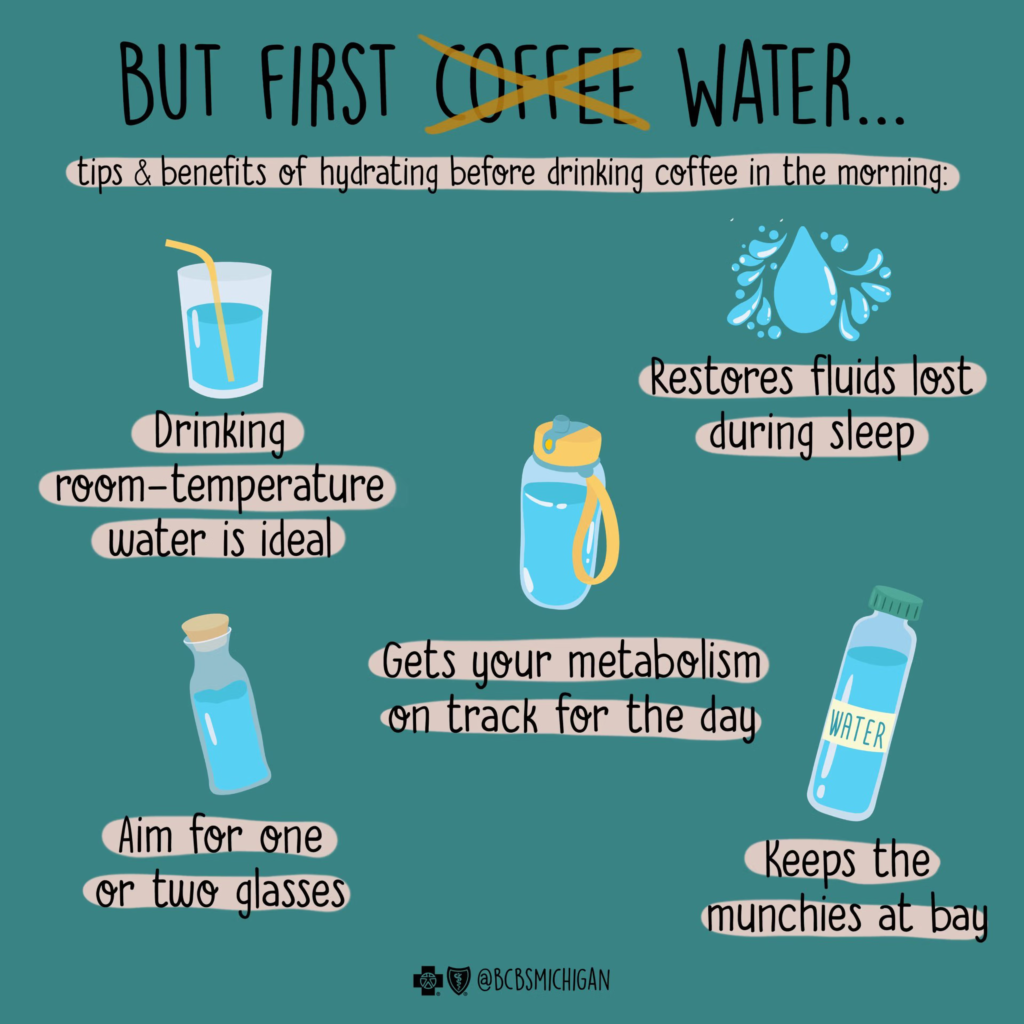
You roll out of bed and head straight for the coffee pot. That first cup feels necessary, even urgent. But your body just spent 7-9 hours losing water through breathing and sweating while you slept—around 500-700ml total. When you drink coffee before rehydrating, you're using a diuretic to drain water your body desperately needs.
Coffee doesn't just fail to hydrate you. It actively pulls water out of your system, which means your skin cells lose their plumpness and fine lines appear deeper than they actually are.
Caffeine on an empty stomach also spikes your cortisol levels, flooding your body with stress hormones that break down collagen faster. Over time, these morning caffeine overloads lead to chronic stress, dehydration, and accelerated fine line formation.
What dehydration does to your skin: When your skin lacks water, the collagen fibers can't maintain their structure properly. They look saggy and damaged even if they're not completely broken down yet.
Your body also can't synthesize new collagen efficiently without proper hydration. Coffee depletes B vitamins and other nutrients your skin needs to build fresh collagen. The combination of water loss and nutrient depletion creates a perfect storm for aging.
Fix this by drinking 500ml of room temperature water the moment you wake up. Set it on your nightstand the night before so it's right there waiting. Wait 30 minutes, then enjoy your coffee guilt-free. Add lemon or cucumber slices to your morning water for extra antioxidants that protect against free radical damage.
2. Hot Showers Daily = Collagen Breaks Down Faster

Most people shower at temperatures between 105-120°F because it feels good. But here's what you don't feel—collagen proteins start breaking down at just 110°F. Every hot shower is literally cooking the structural proteins in your skin, causing them to denature, unfold, and lose their functional shape.
Hot water strips away your skin's natural oils, the sebum barrier that protects against environmental damage. Without this protective layer, your skin triggers an inflammatory response.
This inflammation directly reduces your skin's ability to produce new collagen and elastin. The real problem is that your body can't replace collagen as fast as hot showers destroy it, especially since collagen production naturally decreases as you age.
How heat damages your skin long-term: Hot water increases something called transepidermal water loss, which is exactly what it sounds like—water escaping through your skin into the air.
Every hot shower weakens the collagen matrix a little bit more, and this damage accumulates over years of daily exposure. Heat causes immediate damage, but it's the repetition that creates visible wrinkles and sagging.
Your skin tries to repair itself overnight, but if you're destroying collagen faster than your body can rebuild it, you're fighting a losing battle.
3. SPF Only Outdoors = UVA Still Hits Through Windows

You think you're safe from sun damage when you're inside your house, car, or office. But UVA rays don't care about glass. They penetrate right through windows and attack the collagen in your skin. Up to 80% of the visible aging on your face comes from cumulative UV exposure over time.
UVA rays reach deep into your dermis layer where collagen and elastin fibers live. They break down these fibers that keep your skin firm and smooth. If you eat breakfast near a window, your morning routine exposes your face to UV damage during those critical early hours.
Why indoor UV exposure matters: Most people who work indoors still get significant UVA exposure, especially if they sit near windows or commute in cars. The damage happens slowly, so you don't notice it day by day.
However, over months and years, this accumulates to premature wrinkles, age spots, and loss of skin elasticity. UVA rays are present even on cloudy days and penetrate glass more easily than UVB rays. Your skin doesn't differentiate between outdoor sun and indoor window light—it all causes damage.
Apply SPF 30 or higher broad-spectrum sunscreen every single morning before you eat breakfast, even if you're staying home all day. Reapply every two hours if you're sitting near windows. Mineral sunscreens with zinc oxide offer the best UVA protection because they physically block rays instead of just absorbing them.
4. No Protein at Breakfast = Slower Skin Repair

Your body spent the whole night repairing your skin while you slept. But it can't finish the job without the right building blocks. Protein provides the amino acids your body needs to create new collagen. The three main amino acids in collagen are proline, glycine, and hydroxyproline—and you get all of them from dietary protein.
When you skip protein at breakfast, you're cutting off the supply chain right when your body needs it most. Your natural repair processes peak during sleep, but they continue into the morning hours.
Without adequate protein, your skin repair from overnight regeneration grinds to a halt. Foods like eggs, Greek yogurt, and legumes supply the necessary amino acids your body uses to build collagen from scratch.
How much protein you actually need: You need 20-30 grams of protein at breakfast for optimal collagen synthesis. One egg gives you about 6 grams, a cup of Greek yogurt delivers 15-20 grams, and 3 ounces of salmon provides 20 grams.
Your body can't store amino acids the way it stores fat or carbs, so you need a steady supply throughout the day. Missing your morning protein means missing a critical window for skin repair.
Include high-quality protein sources at every breakfast. Pair them with vitamin C-rich foods like strawberries or orange slices because vitamin C enhances collagen absorption and synthesis.
5. Skipping Moisturizer = Fine Lines Set In Faster
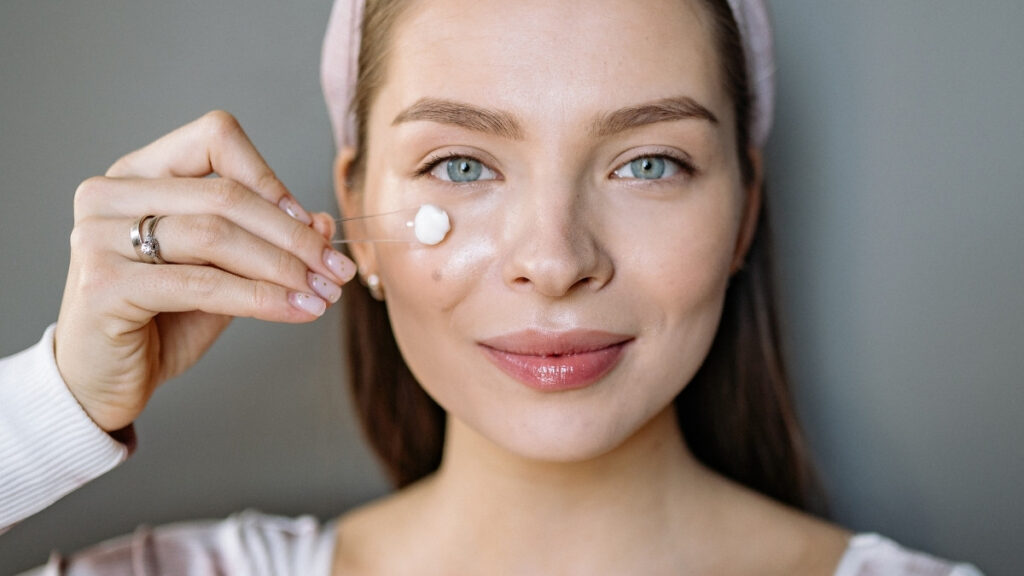
Your skin loses moisture rapidly in the morning, especially right after you wash your face. This process is called transepidermal water loss, and it accelerates when your skin is clean and exposed to air.
Without immediate moisturization, your collagen fibers can't maintain their plumpness. They start to look deflated and damaged even if the underlying structure is still intact.
Morning moisturizer does more than just add hydration. It creates a protective barrier against environmental stress your skin will face all day.
Dehydrated collagen looks worse than it actually is—the fine lines appear deeper and more numerous. Your morning skincare routine either protects your skin for the next 12-16 hours or leaves it vulnerable to damage.
Why timing matters with moisturizer: You have a 60-second window after washing your face when your skin is most receptive to moisturizer. The dampness on your skin helps pull the moisturizer in deeper.
Look for products with hyaluronic acid, which holds 1,000 times its weight in water. Layer your products correctly—serum first, then moisturizer, then SPF. Ceramides and niacinamide in your moisturizer help repair your skin barrier so it can hold onto moisture better.
Apply moisturizer within one minute of washing your face while your skin is still slightly damp. Don't wait until you're completely dry because you'll miss that crucial absorption window. Your skin barrier gets stronger when you moisturize consistently, which means it holds onto its natural moisture better over time.
6. Rubbing Eyes After Waking = Under-Eye Aging Accelerates

The skin under your eyes is 10 times thinner than the skin on the rest of your face. When you rub your eyes after waking up, you're applying mechanical trauma to delicate collagen fibers that can't handle the stress. Every rub stretches and tears the thin collagen network that's already working overtime to keep that area smooth.
Repeated stretching breaks down elastin, the protein that helps your skin bounce back to its original shape. Morning grogginess makes you rub harder without thinking about it.
This creates inflammation and dark circles on top of the structural damage. Because the under-eye area has less collagen to begin with, the damage shows up faster and looks worse.
Why eye rubbing causes permanent damage: Vigorous rubbing doesn't just stretch your skin in the moment. It causes micro-tears in the collagen and elastin fibers that never fully heal.
Each morning when you repeat this habit, you're creating cumulative damage that turns temporary lines into permanent wrinkles. The thin skin under your eyes can't defend itself or repair as quickly as thicker facial skin. Over years of daily rubbing, the damage becomes visible in deep under-eye lines and sagging.
Use a cold compress or chilled eye mask instead of rubbing when you wake up. Keep eye drops on your nightstand for morning dryness so you're not tempted to rub. Apply a cooling eye cream with caffeine to reduce puffiness naturally. If allergies make you rub, address the root cause with an antihistamine before bed.
7. Breakfast Sugar >20g = Glycation Wrinkles

High-sugar diets cause skin aging by triggering AGE accumulation and disrupting your extracellular matrix proteins. When you eat more than 20 grams of sugar at breakfast, you trigger significant glycation that damages your collagen for hours afterward.
The problem is that "healthy" breakfast foods hide shocking amounts of sugar—flavored yogurt contains 15-25 grams, granola has 10-15 grams, fruit juice packs 20-30 grams, and pastries deliver 15-30 grams.
Fructose accelerates the browning reaction seven times faster than glucose, which means foods with high fructose corn syrup or fruit juice concentrates cause more damage.
Breakfast is uniquely problematic because your fasting state makes cells more vulnerable to glycation. Every glucose spike leads to sugar molecules attaching to collagen proteins, damaging them so they can't properly support your skin structure.
What sugar does to your skin immediately: A high-glycemic index diet promotes the creation of free fatty acids whose metabolites trigger inflammatory processes throughout your body. This inflammation starts within hours of eating and affects your skin's ability to produce new collagen.
When sugar molecules attach to collagen proteins, they become stiff and unable to repair themselves. The damage is permanent—those glycated proteins stay in your skin for months until your body slowly replaces them.
Limit breakfast sugar to under 10 grams total. Choose plain Greek yogurt and add fresh berries instead of buying pre-sweetened versions. Replace juice with whole fruit, which has fiber that slows sugar absorption.
Avoid flavored instant oatmeal and use plain steel-cut oats instead. Read labels carefully because sugar hides under names like evaporated cane juice, agave, and honey.
8. Skipping Vitamin C = Collagen Can't Form Properly

Vitamin C plays a major role in producing pro-collagen, which is your body's precursor to finished collagen. Without vitamin C, collagen synthesis literally cannot occur.
Your body needs vitamin C as a required cofactor for collagen hydroxylation, a chemical process that stabilizes collagen structure. Vitamin C is necessary for making type I collagen, the most abundant form in your body.
Your body can't store excess vitamin C because it's water-soluble, unlike fat-soluble vitamins. This means you need to replenish it every single day. Morning is the optimal time for vitamin C absorption because your digestive system is fresh and ready to process nutrients.
Missing your morning vitamin C means missing a critical window for collagen synthesis when your body is trying to repair overnight damage.
How vitamin C builds collagen: Vitamin C helps enzymes modify proline and lysine amino acids in collagen chains. Without this modification, collagen can't form its characteristic triple helix structure.
High sugar levels make it harder for vitamin C to enter cells, so if you're eating a sugary breakfast, you're blocking vitamin C absorption when you need it most. The compound effect of low vitamin C and high sugar creates a perfect storm for collagen breakdown.
Include vitamin C-rich foods at breakfast every day. Citrus fruits provide 70mg, one cup of strawberries delivers 85mg, bell peppers contain 95mg, and kiwi offers 64mg.
Consider taking collagen supplements with citrus fruits, berries, or a vitamin C supplement for maximum effectiveness. You need 75-90mg daily minimum just to maintain basic collagen production, but optimal skin health may require more.
9. Eating Refined Carbs = Blood Sugar Rollercoaster

White bread, bagels, and pastries spike your blood sugar within minutes of eating them. Rapid glucose spikes accelerate AGE formation throughout your body.
These refined carbs convert to sugar so fast that your pancreas floods your bloodstream with insulin to handle the surge. This creates an inflammatory cascade that damages collagen and other proteins.
Refined carbs lack the fiber, vitamins, and minerals your body needs to protect against glycation damage. High-sugar diets significantly upregulate AGE expression in your cells.
The glycemic index tells you how fast foods raise blood sugar—a white bagel scores 72, white toast hits 75, and cornflakes reach 81. Over time, this creates insulin resistance that makes glycation even worse.
Why refined carbs destroy collagen: When you eat refined carbohydrates, you're essentially eating pure glucose without any protective nutrients. Your blood sugar shoots up, stays elevated for hours, and creates oxidative stress that damages collagen fibers.
The insulin spike that follows causes inflammation throughout your body. This inflammation directly reduces collagen synthesis and increases collagen breakdown. Eating refined carbs at breakfast sets you up for sugar cravings that continue the glycation cycle all day long.
Choose complex carbs with fiber that slow glucose absorption. Swap white bread for sprouted grain bread, which has a glycemic index of 55 instead of 75. Pick steel-cut oats over instant oats—55 versus 79 on the glycemic index.
Pair any carbs with protein and healthy fat to slow absorption even more. Add cinnamon to your oatmeal because it helps regulate blood sugar naturally.
10. Stress Scrolling = Cortisol Collagen Killer

You grab your phone the moment your alarm goes off and start scrolling through social media or news. This innocent habit triggers your stress response immediately. Morning stress raises cortisol levels, leading to inflammation, breakouts, and accelerated aging before you even get out of bed.
Cortisol breaks down collagen directly by activating enzymes that degrade the collagen matrix. Chronic stress weakens collagen fibers over time, making your skin sag and lose elasticity.
The stressed tone you set in the morning affects your skin for the entire day. Elevated cortisol increases systemic inflammation that damages collagen in ways that take months to repair.
How morning stress creates lasting damage: Checking your phone first thing puts your nervous system in fight-or-flight mode. Your body releases cortisol and adrenaline, which divert resources away from skin repair and maintenance.
Chronic morning stress creates cumulative damage because your cortisol never gets a chance to return to baseline. Blue light exposure before breakfast disrupts your circadian rhythm, which controls when your body produces growth hormone for tissue repair. Every morning you start with stress, you're stealing from your skin's repair budget.
Start your day with deep breathing, meditation, or journaling to lower stress levels and promote a radiant complexion. Wait 30-60 minutes after waking before you check your phone.
Try morning meditation or gentle stretching instead of scrolling. Keep your phone out of your bedroom completely if possible. Just 5-10 minutes of morning mindfulness practice can significantly reduce cortisol and protect your collagen.
11. Skipping Omega-3s = Missing Anti-Inflammatory Protection

Omega-3 fatty acids reduce the inflammation that constantly breaks down your collagen. They support your skin barrier function and help your skin retain moisture.
Most people get almost no omega-3s at breakfast, which means they're missing a critical window for absorption. Your body can't make essential fatty acids on its own—you have to get them from food.
Inflammation accelerates collagen degradation faster than almost anything else. Omega-3s, specifically EPA and DHA, have direct anti-inflammatory effects throughout your body.
They support cell membrane integrity in your skin cells, which improves nutrient delivery and waste removal. Omega-3 deficiency leads to dry, inflamed skin that's prone to premature aging.
Why omega-3s protect your collagen: These fatty acids work at the cellular level to calm inflammatory pathways. When inflammation drops, your body can focus on building new collagen instead of constantly repairing damage.
Omega-3s also improve skin barrier function, which means your skin holds onto moisture better and looks plumper. The anti-inflammatory effects protect against UV damage, pollution, and other environmental stressors that break down collagen. Your skin becomes more resilient when omega-3 levels are optimal.
12. Drinking From Straws = Repetitive Wrinkle Formation

Every time you purse your lips around a straw, you create repetitive mechanical stress on your skin. Morning smoothies through straws might seem harmless, but that repeated motion creates perioral lines, also called lipstick lines. These are the vertical wrinkles that form around your mouth from repeated muscle contractions.
The mechanism is similar to how smoking causes lines around the mouth. Collagen around your mouth is already thinner than other facial areas, which makes it more vulnerable to this type of damage.
Repeated muscle contraction over years embeds expression lines that become permanent. When you combine straw use with dehydration, the effect gets worse because dry skin shows lines more dramatically.
How repetitive motion creates permanent wrinkles: Your skin can handle occasional stretching and returning to normal. But when you repeat the same motion thousands of times—like pursing your lips around a straw every morning for years—the collagen and elastin fibers can't bounce back fully.
They start to hold the shape you keep putting them in. This is why expression lines around the mouth, eyes, and forehead become deeper with age. The collagen memory of those repeated positions becomes permanent.
13. Overloading on Dairy = Inflammatory Response

Dairy can trigger inflammation in sensitive individuals, and you might be one of them without knowing it. Large glasses of milk, yogurt parfaits, or cheese-heavy breakfasts might be causing an inflammatory response that damages your collagen over time. Dairy contains IGF-1 hormone that may worsen skin issues in some people.
Morning dairy on an empty stomach can amplify negative reactions because there's nothing to buffer the response. Not everyone reacts badly to dairy, but it's a common trigger.
Some people lack the enzymes to properly digest lactose or casein proteins. This inflammatory response creates oxidative stress throughout your body. About 65% of the population has some degree of lactose intolerance or dairy sensitivity.
What dairy inflammation does to your skin: When your body treats dairy as an inflammatory trigger, it releases chemicals that damage collagen and other proteins. This may show up as acne, redness, puffiness, or general skin inflammation.
The oxidative stress from chronic low-grade inflammation speeds up aging in visible ways. Your skin tries to repair the damage, but if you're eating inflammatory dairy every morning, you're creating new damage faster than your body can fix it.
Try a two-week dairy elimination to test your sensitivity. Swap cow's milk for unsweetened almond, oat, or coconut milk. Choose plant-based yogurt alternatives. If you keep dairy in your diet, choose organic, grass-fed options and fermented products like kefir or Greek yogurt, which are easier to digest.
14. Eating Processed Meats = AGE Overload

Bacon, sausage, and deli meats contain pre-formed AGEs that add to your body's internal AGE production. Grilled, fried, or roasted foods have higher AGE levels than foods cooked with moist heat.
People consuming diets high in roasted meats and processed foods could consume more than 20,000 kU of AGEs daily, which overwhelms your body's ability to clear them out.
These exogenous AGEs from food combine with the internal glycation happening from carbs and sugar you eat. Cooking methods influence AGE content significantly—frying and grilling create far more AGEs than steaming or boiling.
Processed meats have some of the highest dietary AGE levels of any food. Morning processed meat starts an inflammatory cascade that affects your collagen all day.
How dietary AGEs accelerate aging: When you eat foods high in pre-formed AGEs, you're adding external damage on top of internal glycation. Research shows that a 50% reduction in usual AGE consumption reduces oxidative stress throughout your body.
The AGEs from processed meat interact with cell receptors, release reactive oxygen radicals, and alter the physical properties of your extracellular matrix proteins like collagen. Your body tries to break down and clear these AGEs, but high intake overwhelms your natural detox systems.
Replace bacon and sausage with eggs, fish, or plant-based protein sources. If you do eat meat, choose fresh over processed options whenever possible. Cook with moist heat methods like poaching or steaming instead of frying or grilling.
Marinate meat with acidic ingredients like lemon juice or vinegar before cooking to reduce AGE formation by up to 50%.
15. Rushing Through Breakfast = Poor Digestion

When you eat too fast, your body can't absorb nutrients properly. It takes 20 minutes for satiety signals to reach your brain, so rushing means you miss those signals entirely.
Stress eating raises cortisol while you're eating, which diverts blood flow away from your digestive system. Poor digestion means the nutrients your body needs for collagen synthesis never get absorbed.
The gut-skin axis is real—poor gut health shows up directly in your skin. Mindless eating usually leads to worse food choices because you're not paying attention to what or how much you consume.
Eating under stress affects your gut microbiome, which plays a surprising role in skin health and inflammation levels. Nutrients pass through your system without being properly broken down and absorbed.
Why rushed eating damages your skin: Your digestive system needs time and proper conditions to extract vitamins, minerals, amino acids, and antioxidants from food. When you eat while stressed or distracted, your stomach produces less acid and your pancreas releases fewer enzymes.
This means you get less nutritional value from the same food. The amino acids needed for collagen building pass through without being absorbed. Blood sugar also spikes higher when you eat quickly because you're not giving your body time to process glucose gradually.
Dedicate 15-20 minutes minimum for breakfast without devices or distractions. Sit down at a table instead of eating standing up or in the car. Chew each bite thoroughly—aim for 20-30 chews per mouthful.
Practice mindful eating by noticing flavors, textures, and how your body feels. Prepare simpler breakfasts you can eat calmly without feeling rushed. Wake up 15 minutes earlier if needed to give yourself enough time.
Your Morning Routine Is Either Building Collagen or Destroying It
Your morning routine sits at the center of your skin's health. These 15 breakfast habits represent hidden saboteurs that undo expensive skincare from the inside out. There's no neutral ground—every choice you make is either supporting collagen production or accelerating its breakdown.
AGEs cause pathological changes through three processes. They interact with cell receptors and trigger inflammation. They release reactive oxygen radicals that damage DNA and proteins.
They alter the physical properties of extracellular matrix proteins like collagen, making them stiff and dysfunctional. But here's the good news—every single habit is completely within your control. You don't need expensive treatments or procedures to fix this. You just need to make better choices starting tomorrow morning.
Simple changes that compound into visible results: Start with just three changes this week and build from there. Drink 500ml of water before your coffee to rehydrate your cells. Lower your shower temperature to lukewarm to stop cooking your collagen.
Add 20-30 grams of protein to breakfast to give your body the building blocks it needs. These small shifts compound into visible results within 4-8 weeks. Your skin will look plumper, fine lines will soften, and new collagen will start replacing damaged fibers.
Master these breakfast habits that destroy collagen, and you'll see improvements that no serum can match. Your skin is built from the inside—feed it right, starting tomorrow morning.