Harness the Power of 15 Antioxidant-Rich Foods to Achieve a 40% Reduction in Disease Risk (Scientific Data)
What if the single most effective “medicine” for protecting your body and dramatically lowering your risk of chronic disease was already sitting in your kitchen?
Many of us feel overwhelmed by conflicting health advice, but deep down, we crave a simple, proven way to protect our long-term health from threats like heart disease, cancer, and age-related decline.
The answer lies in powerful, natural compounds called antioxidants. In this definitive guide, you will learn the exact science behind how these molecules fight damaging free radicals.
We reveal the 15 antioxidant powerhouses that are scientifically proven to significantly contribute to disease risk reduction—with some studies showing potential benefits of up to 40%! Discover these incredible natural antioxidants and get simple, actionable ways to add them to your diet for maximum health benefit starting today.
Antioxidant Powerhouses!
1. Blueberries 🫐
Packed with **Anthocyanins**, these compounds are proven to boost **brain function** and support long-term **heart health**.
2. Strawberries 🍓
An excellent source of **Vitamin C** and ellagic acid, which helps to significantly reduce the levels of “bad” **LDL cholesterol**.
3. Goji Berries
Considered a superfood! They contain unique **polysaccharides** and high levels of antioxidants that aid **immune response**.
4. Cranberries & Red Grapes 🍇
Rich in **Phenolic compounds** like Resveratrol, which are key for strong **Cardiovascular Disease (CVD) risk reduction**.
5. Citrus Fruits 🍊
High in **Flavonoids** and Vitamin C, these essential fruits support collagen formation and boost the body’s natural defenses.
6. Apples & Pears 🍏
Consumption of these common fruits is strongly associated with reduced **all-cause mortality**, largely due to high fiber and **Quercetin** content.
The Science: How Natural Antioxidants Reduce Disease Risk
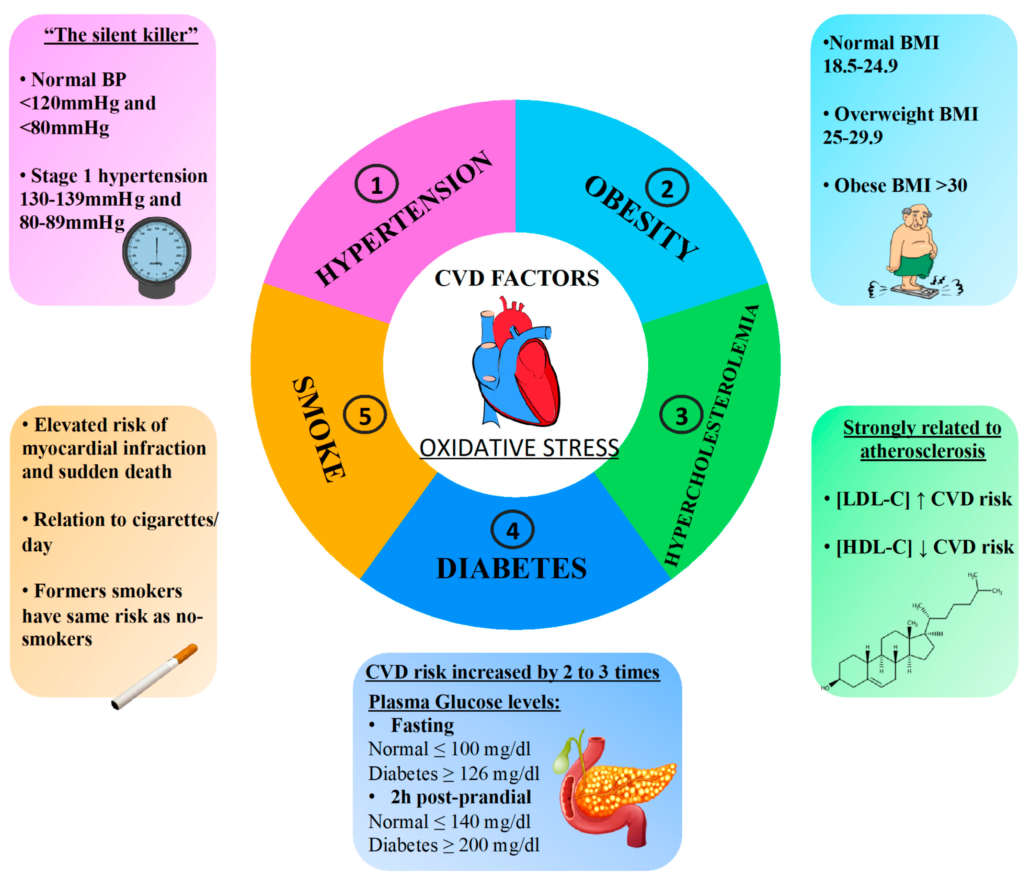
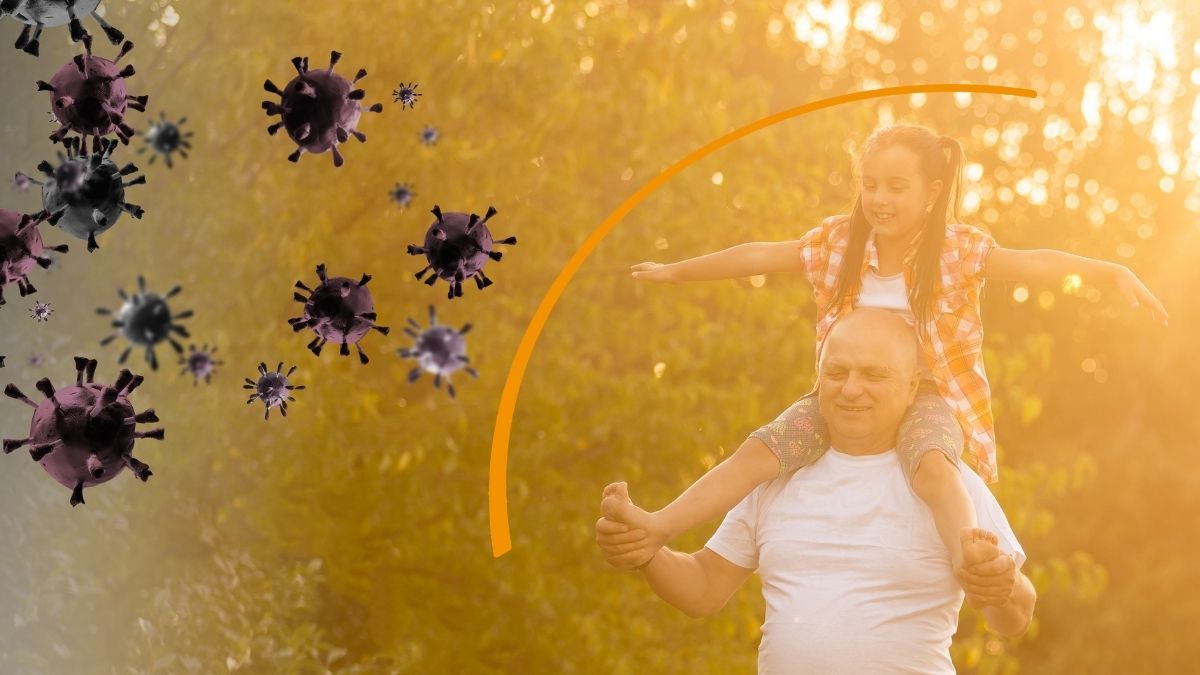
What makes you sick? A big problem is something called oxidative stress. Your body uses oxygen, which is good, but this process also creates tiny, unstable molecules called free radicals.
You can think of free radicals as tiny thieves. They zoom around your body and start stealing parts from healthy cells, like breaking down your cell walls. This damage can lead to sickness and speed up aging. This is the core problem that keeps people up at night.
- Free radicals are tiny, unstable “thieves” created when your body uses oxygen.
- They damage healthy cells by stealing necessary parts from them.
- This damage is called oxidative stress and can cause sickness.
This is where natural antioxidants step in. Antioxidants are the “police” or powerhouses that stop these thieves. They are special molecules found in many foods. Antioxidants work by giving up some of their own parts to the free radicals.
This makes the free radicals stable and harmless. By neutralizing these damaging molecules, antioxidants protect your cells from getting hurt. This simple action helps reduce your long-term risk of many diseases.
- Antioxidants are molecules in food that act like “police” in your body.
- They stabilize free radicals by giving up parts of themselves.
- This stops the damage to your healthy cells.
Why does this matter to you? The benefits are serious. Studies show that eating foods rich in these helpers can really pay off. For example, people who regularly eat nuts, which are full of natural antioxidants, show big results.
Nut consumption has been linked to a reduction in mortality risk from respiratory disease and infections by up to 40%. Specific antioxidants target specific issues.
For instance, Vitamin C helps protect your heart, while compounds called anthocyanins found in berries help against certain types of cancer. Eating these foods is a quick win for better health.
- Eating foods with antioxidants can greatly reduce your risk of sickness.
- Statistics show that eating nuts may cut the risk of death from respiratory disease by up to 40%.
- Different antioxidants help with different things, like Vitamin C for heart health.
1. Blueberries
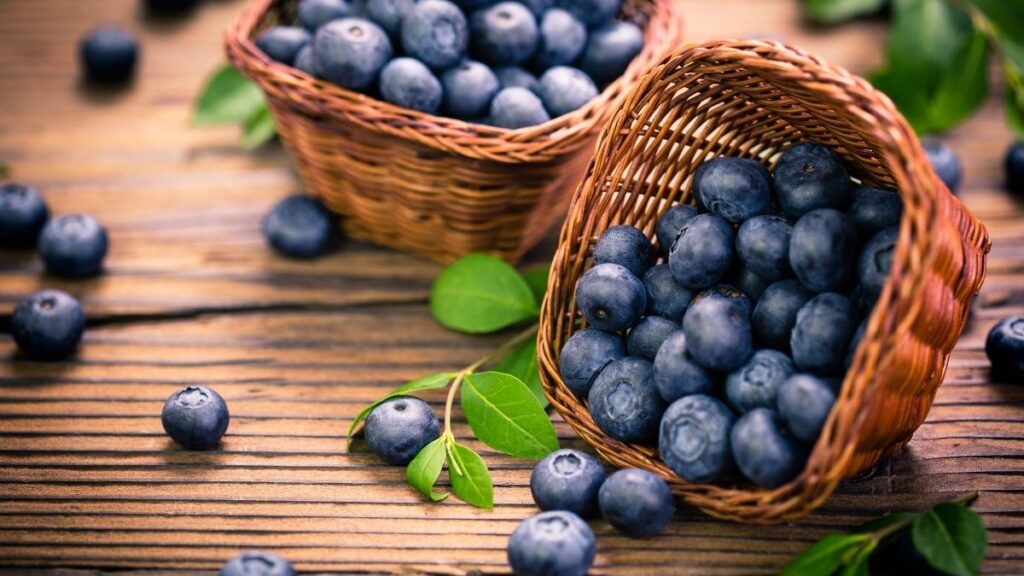
These small, tasty berries are a great source of power. They contain special antioxidants called anthocyanins. These are what give blueberries their dark blue color.
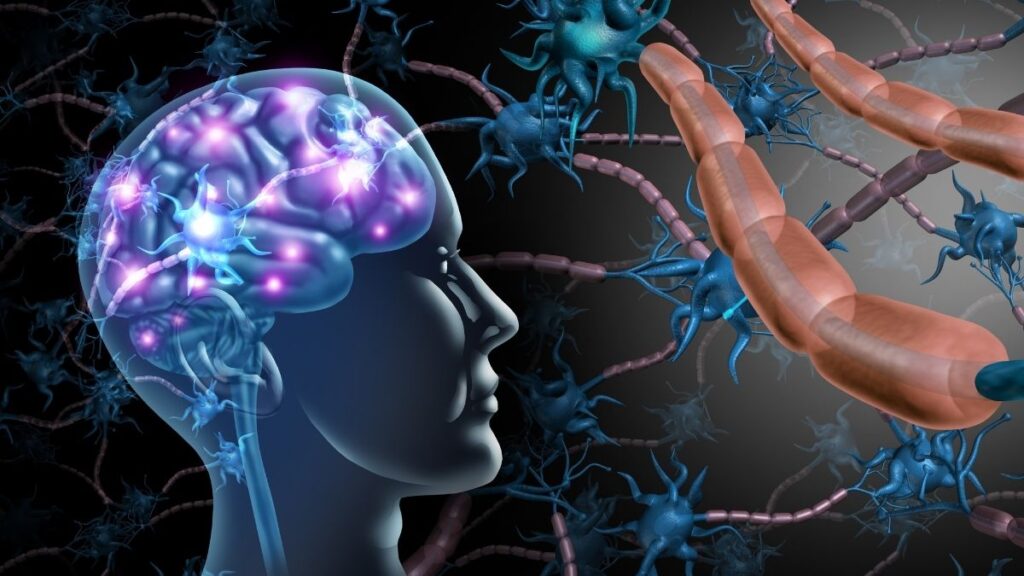
Anthocyanins are especially good at protecting your brain cells. Eating them can help keep your memory sharp as you get older. They are an easy addition to your morning meal.
- Blueberries have special antioxidants called anthocyanins.
- Anthocyanins give the berries their dark blue color.
- They are known to protect your brain cells and keep your memory sharp.
2. Pecans
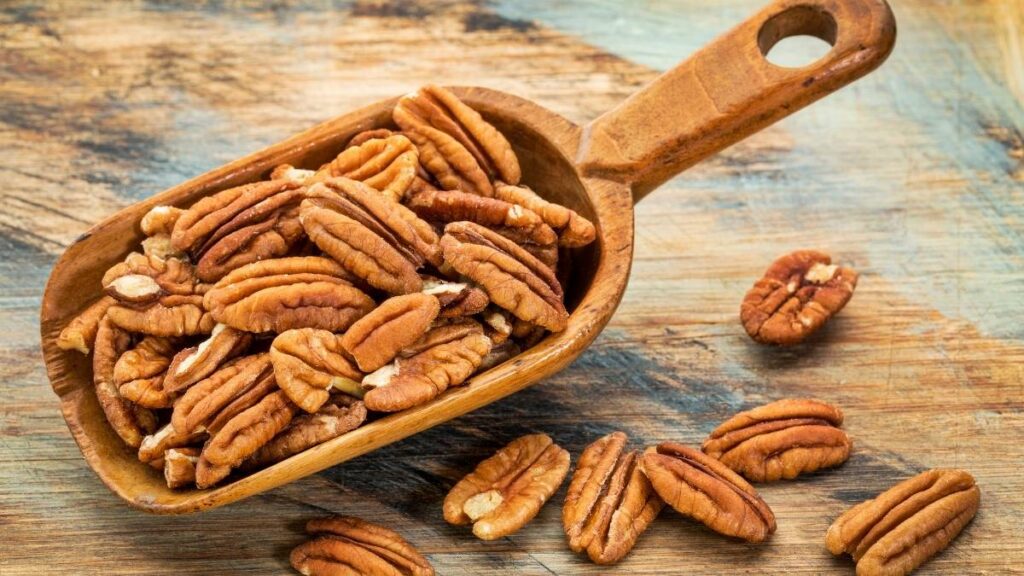
Pecans are more than just a sweet pie ingredient. These nuts are packed with helpful plant compounds. They have one of the highest antioxidant levels of all nuts. Pecans can specifically help improve the levels of fats in your blood. This is good news for your long-term heart health. A small handful is a smart snack.
- Pecans are a nut with one of the highest levels of antioxidants.
- They contain many helpful plant compounds.
- Eating pecans can improve the levels of fats in your blood, which helps your heart.
3. Dark Chocolate

It might be surprising, but eating high-quality dark chocolate can be a health benefit. Look for chocolate that is 70% cocoa or higher. This treat has more antioxidants than many fruit juices.
The compounds in cocoa are known to help lower blood pressure. Enjoying a small piece is a simple way to get some health benefits.
- Dark chocolate (at least 70% cocoa) is a surprising source of antioxidants.
- It actually has more helpful compounds than some fruit juices.
- The elements in cocoa can help to lower your blood pressure.
The Fruit & Berry Brigade: Top Antioxidant Powerhouses
Let’s look at the best foods for fighting those damaging free radicals. The fruit and berry team is full of antioxidant powerhouses. Eating these foods is one of the easiest ways to reduce disease risk reduction. This is the quick-win strategy you can use every day.
1. Blueberries

These tiny, dark blue gems are star players. They are famous for an antioxidant called anthocyanins. Anthocyanins are what give the berries their rich color. This powerful compound is very good for your head and your heart.
Eating blueberries regularly has been linked in studies to a delayed decline in age-related brain function. That means they help keep your mind sharp as you get older.
- Blueberries are packed with an antioxidant called anthocyanins.
- Anthocyanins help protect both your brain and your heart.
- Studies link eating blueberries to keeping your brain sharp longer.
2. Strawberries
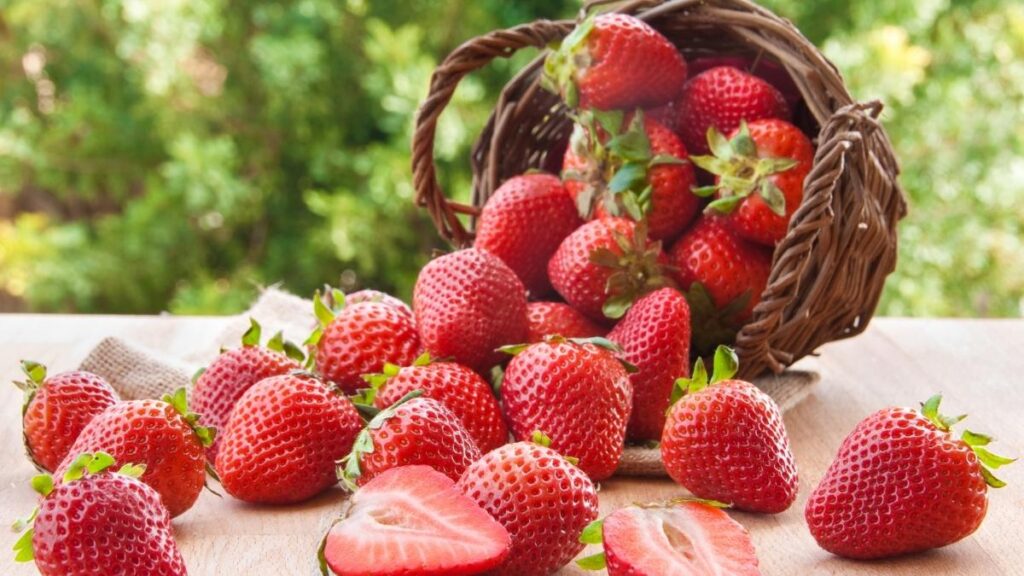
Strawberries are delicious and are an excellent source of Vitamin C. Vitamin C is a powerful antioxidant that helps your body in many ways. It supports your immune system, which is your body’s defense against sickness.
But here’s the best part: the compounds in strawberries can also help lower your LDL cholesterol. LDL is the “bad” type of fat that can block your arteries.
- Strawberries provide a huge amount of Vitamin C.
- Vitamin C is an important antioxidant that helps your body fight off illness.
- Eating strawberries may help lower the “bad” type of fat in your blood (LDL).
3. Goji Berries
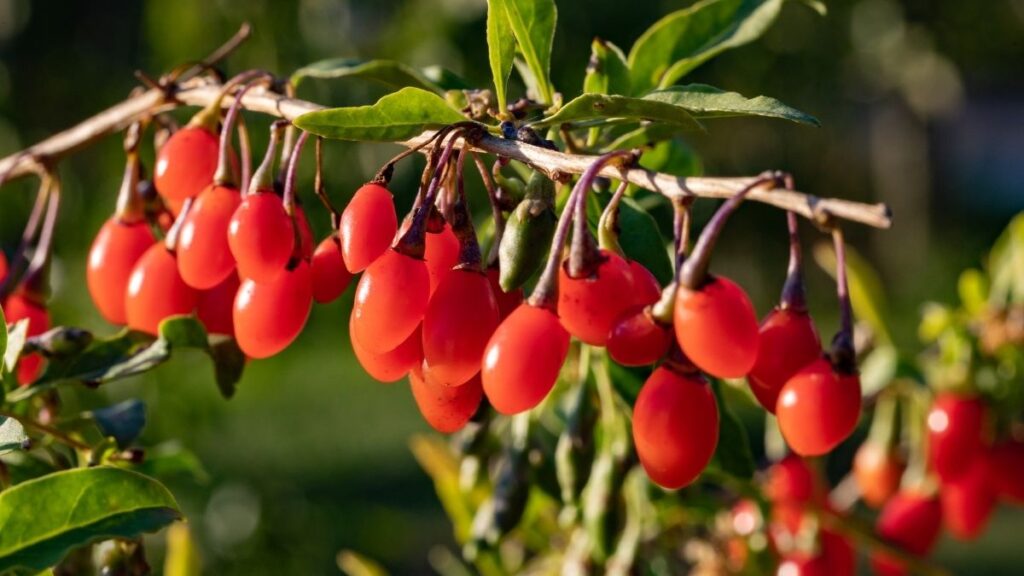
Goji berries look like tiny red raisins and are often called a “superfood.” They have unique antioxidants you don’t find everywhere else. These special compounds have been used for centuries in some cultures.
People believe they can help improve eyesight and overall energy. While they might be a little pricier, they pack a strong, helpful punch for your health.
- Goji berries are sometimes called a “superfood.”
- They contain unique antioxidants not found in many other common foods.
- These compounds may help improve eyesight and overall energy.
4. Cranberries and Red Grapes
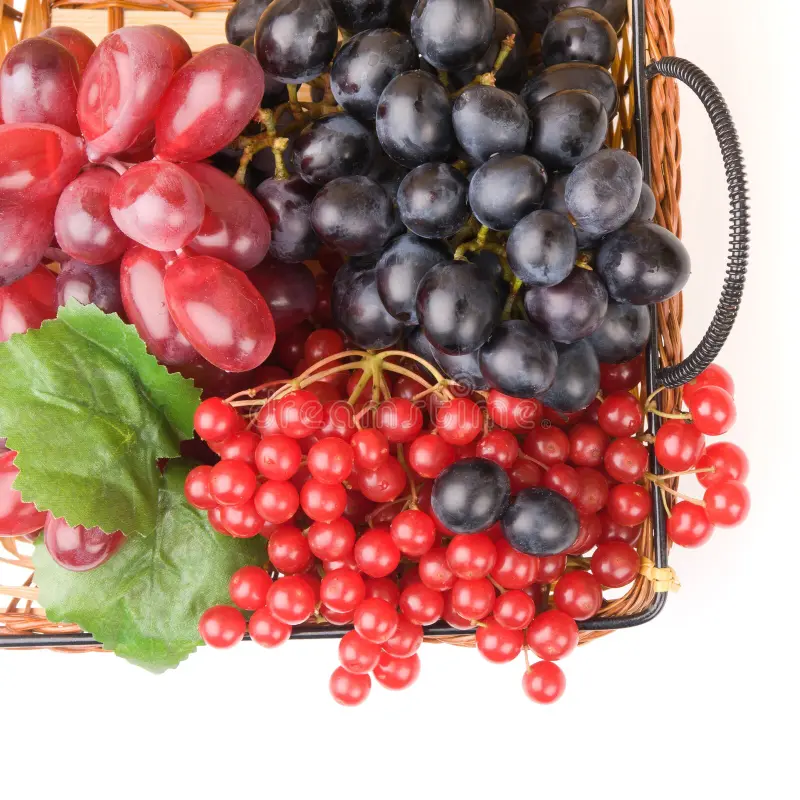
Don’t forget the power of tart cranberries and dark red grapes. Both of these fruits are full of helpful phenolic compounds. These are powerful antioxidants that keep your blood moving smoothly.
Specifically, they offer great cardiovascular disease (CVD) protection. That’s a fancy way of saying they help keep your heart and blood vessels strong. A glass of pure cranberry juice is a strong addition to your diet.
- Cranberries and red grapes contain strong phenolic compounds.
- These compounds offer excellent CVD protection (heart health).
- They help keep your blood flowing smoothly through your body.
5. Citrus Fruits
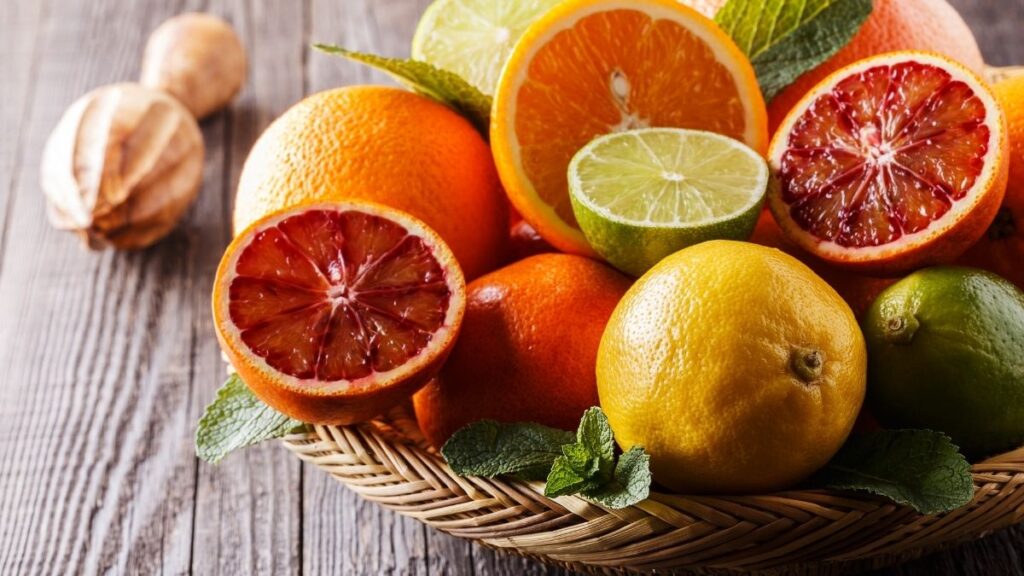
Think of oranges, lemons, and grapefruits. These bright fruits are famous for their high levels of Vitamin C. But they also contain other antioxidants called flavonoids. Flavonoids are important because they help reduce inflammation in your body.
Inflammation is another cause of long-term health problems. Having a fresh orange is a simple way to help calm your body down.
- Citrus fruits are famous for having lots of Vitamin C.
- They also contain other helpful antioxidants called flavonoids.
- Flavonoids work to reduce inflammation, which prevents sickness.
6. Apples and Pears
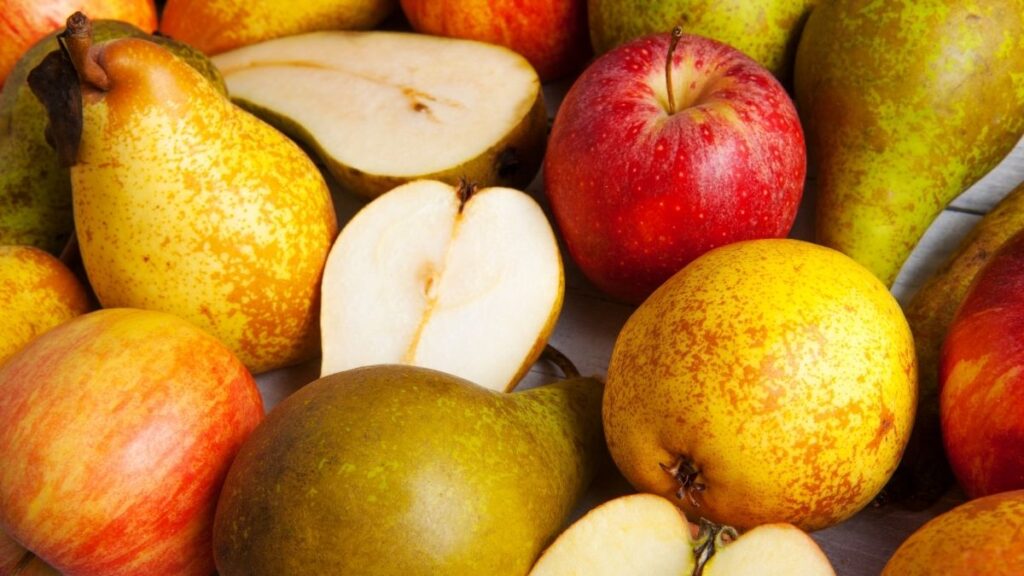
These common fruits are easy to overlook, but they are very important. The real antioxidant power is often found right in the peel. Eating apples and pears regularly is linked to big health benefits.
Studies show that people who eat them often have a lower risk of all-cause mortality. That means they just live longer and healthier lives overall. Always eat the peel!
- Apples and pears are great antioxidant sources, especially in the skin.
- Eating them often is linked to a lower risk of all-cause mortality.
- This means they contribute to you living a longer, healthier life.
Green & Colorful Heroes: Superfoods for Health from the Garden
The best heroes for your health often come from the garden. These superfoods for health are packed with powerful colors and nutrients. They are easy to add to your meals and help fight sickness by reducing inflammation.
1. Kale
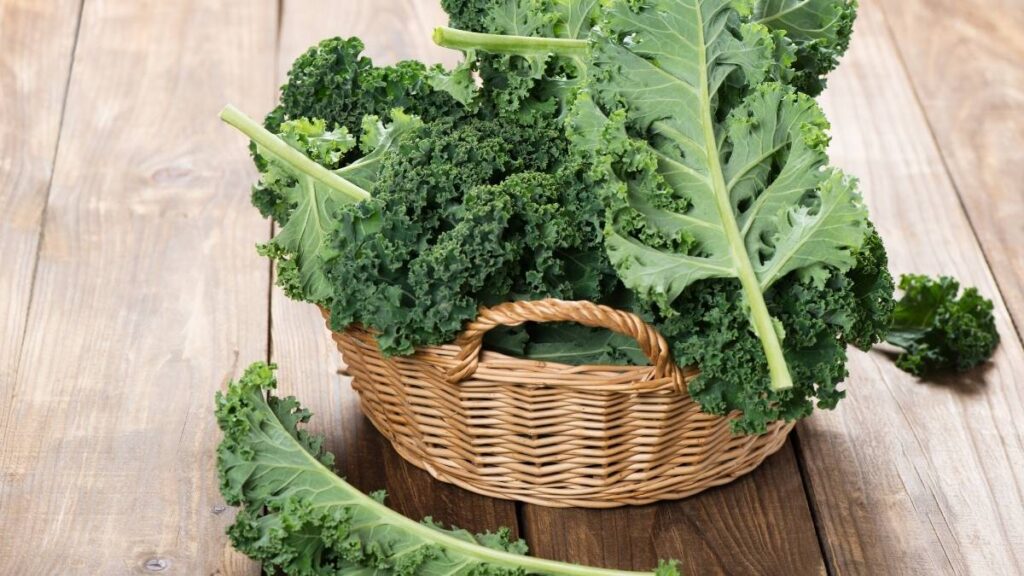
Kale is one of the most nutrient-dense foods you can eat. It’s a leafy green powerhouse loaded with Vitamins A, K, and C. These vitamins act as strong antioxidants. Vitamin K helps your blood clot, and Vitamin A is important for good vision. Kale is a simple way to give your body a massive, helpful boost.
- Kale is packed with nutrients like Vitamins A, K, and C.
- These vitamins act as strong antioxidants in your body.
- Vitamin K helps your blood clot, and Vitamin A is good for your eyesight.
2. Red Cabbage
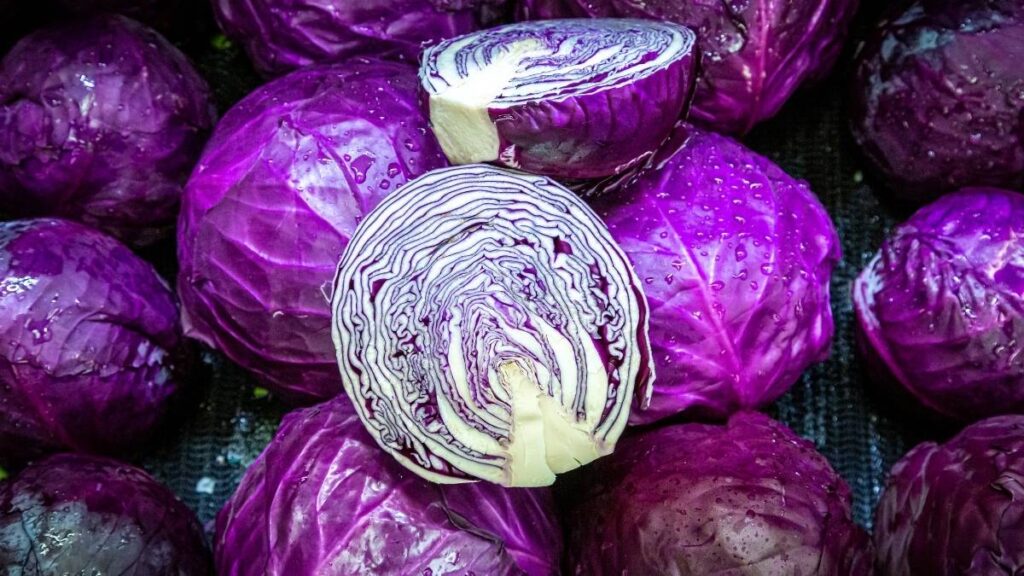
This purple vegetable is more than just a colorful side dish. The beautiful red-purple color comes from the same anthocyanins found in blueberries. These compounds are excellent at calming things down.
They are especially effective at reducing inflammation throughout your body. Lower inflammation means less stress on your system and a lower risk of long-term health issues.
- The color in red cabbage comes from powerful anthocyanins.
- Anthocyanins are effective at reducing body-wide inflammation.
- Lower inflammation helps lower your risk of long-term sickness.
3. Spinach
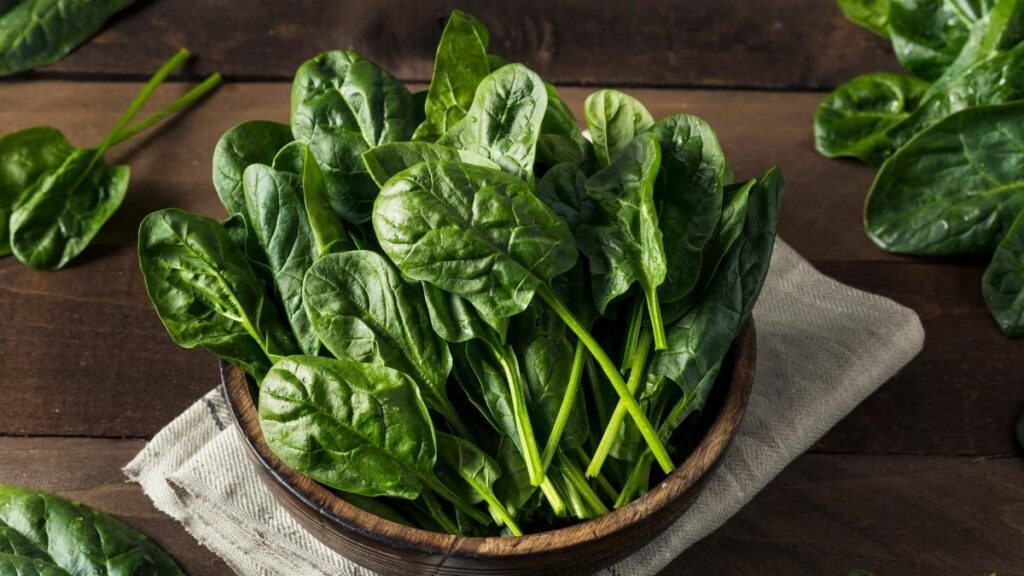
Popeye was right about spinach! This leafy green is a top source of two special antioxidants: lutein and zeaxanthin. These two helpers travel right to your eyes.
They are critical for protecting your eyes and preventing age-related macular degeneration (AMD), which is a serious eye problem as people get older. This makes spinach key for good eye health.
- Spinach is a primary source of lutein and zeaxanthin.
- These antioxidants go straight to your eyes to protect them.
- They are critical for good eye health and preventing serious problems like AMD.
4. Artichokes
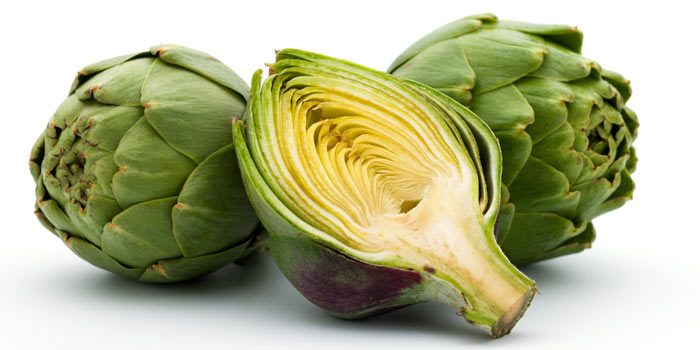
Artichokes may look a little intimidating, but they are great for you. They contain a strong antioxidant called chlorogenic acid. This acid helps control blood sugar and may lower your risk of diseases like cancer and diabetes. Artichokes are also very high in fiber, which is great for your digestive system.
- Artichokes contain a powerful antioxidant called chlorogenic acid.
- This acid helps you control your blood sugar levels.
- It may also help lower your risk of diseases like cancer and diabetes.
5. Beets
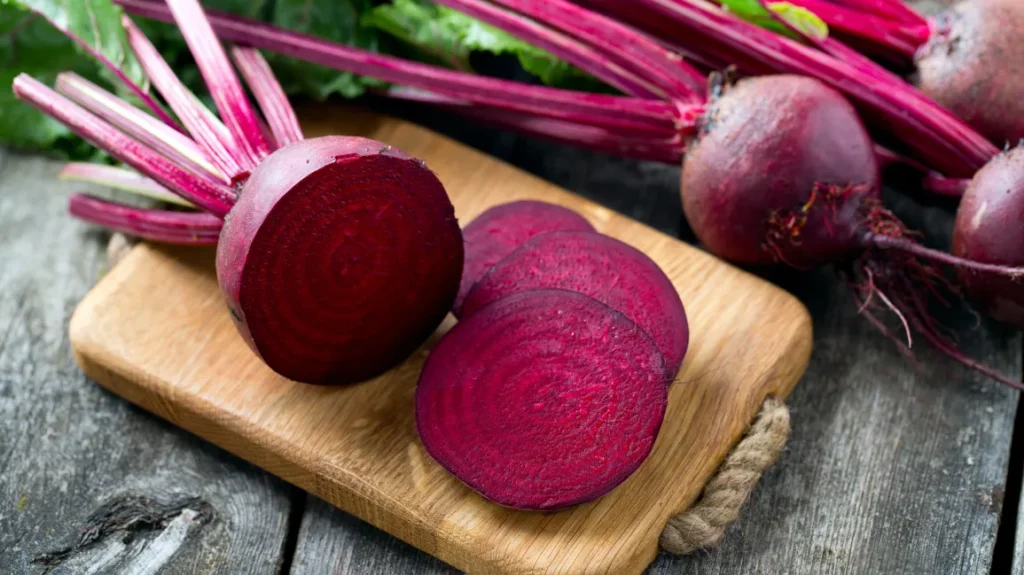
The intense, dark red color of beets comes from a unique group of pigments called betalains. These natural antioxidants are what give beets their powerful color.
Studies show that betalains are great protectors for the digestive system. They are specifically linked to helping lower the risk of cancer in the colon and digestive tract.
- The deep red color of beets comes from pigments called betalains.
- Betalains are strong antioxidants that help your digestive system.
- They are linked to lowering the risk of cancer in the colon.
6. Broccoli and Other Cruciferous Vegetables
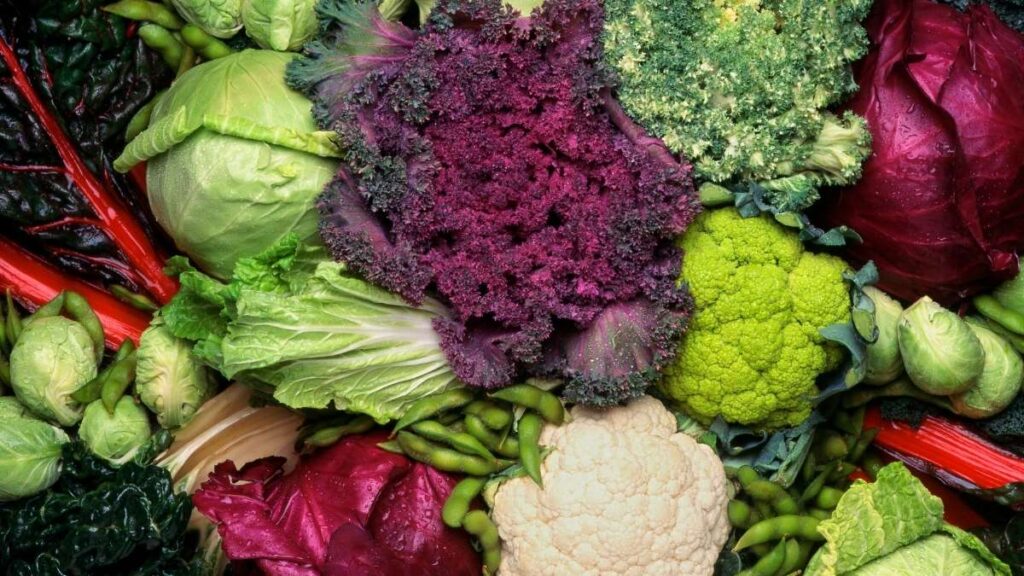
Broccoli, cauliflower, and Brussels sprouts belong to a group called cruciferous vegetables. They are full of sulfur-containing compounds like indoles and isothiocyanates.
These are serious cancer-protective substances. They help your body clean out toxins and harmful chemicals. Eating these greens is a simple, smart move for long-term protection.
- Broccoli and other cruciferous vegetables contain indoles and isothiocyanates.
- These compounds are strong cancer-protective substances.
- They help your body get rid of toxins and harmful chemicals.
Powering Up: Nuts, Beans, and The Dark Secret
Let’s finish the list with three more champion foods that offer amazing health benefits. These foods are true antioxidant powerhouses and play a huge role in disease risk reduction.
1. Nuts: Pecans, Walnuts, and Almonds
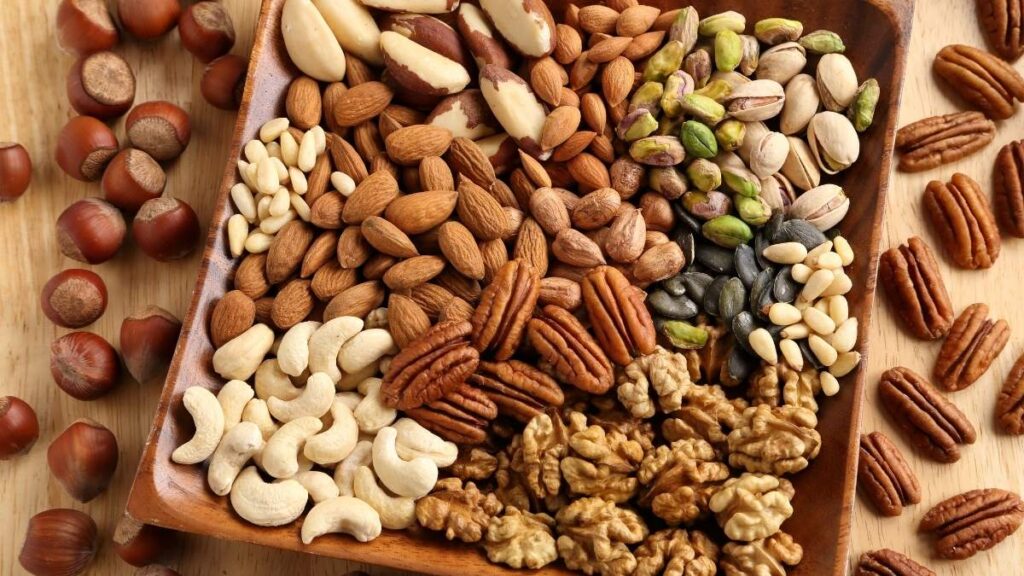
Nuts are small but mighty. Eating nuts like pecans, walnuts, and almonds gives your body a ton of helpful compounds. They are excellent for your heart health.
The natural oils and antioxidants in nuts help keep your blood vessels working well. Remember this key finding: regular nut consumption is strongly associated with a significant disease risk reduction.
This means people who eat nuts often have better overall health and live longer lives. A small handful a day is all it takes to make a difference.
- Nuts like walnuts and almonds are great for your heart health.
- Regular consumption of nuts is linked to a significant disease risk reduction.
- They contain helpful oils and antioxidants that keep blood vessels healthy.
2. Beans and Legumes
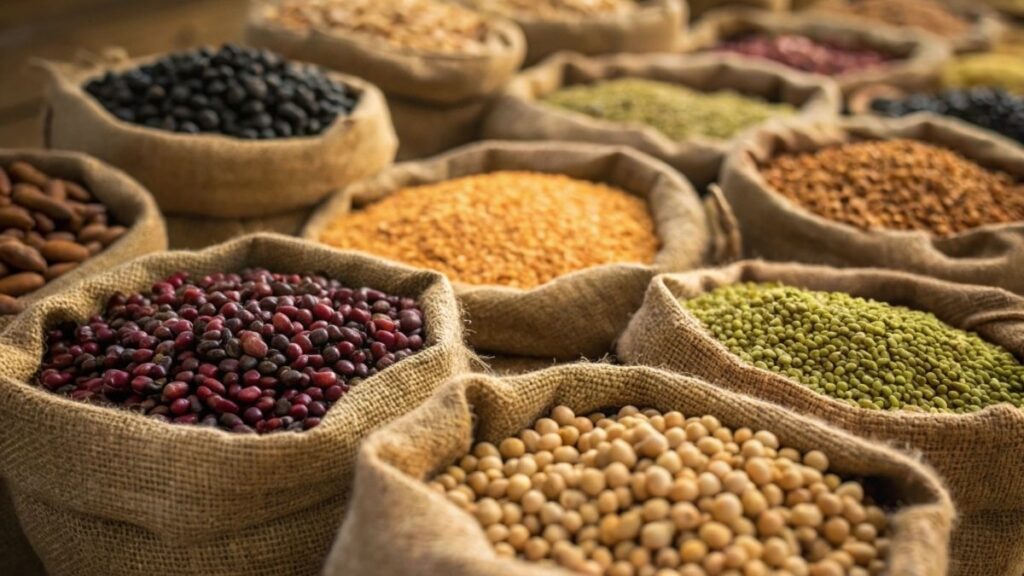
Beans are some of the most overlooked antioxidant powerhouses on the planet. Black beans, kidney beans, and lentils are loaded with fiber, which is great for your digestion.
They also contain a special antioxidant called kaempferol. This compound is great at fighting chronic inflammation. Chronic inflammation is the low-grade, long-term swelling inside your body that leads to many illnesses. Eating beans is an affordable and powerful way to keep your body healthy.
- Beans and legumes are cheap but very effective health boosters.
- They are packed with fiber and a strong antioxidant called kaempferol.
- Kaempferol helps fight chronic inflammation in your body.
3. Dark Chocolate: The Dark Secret
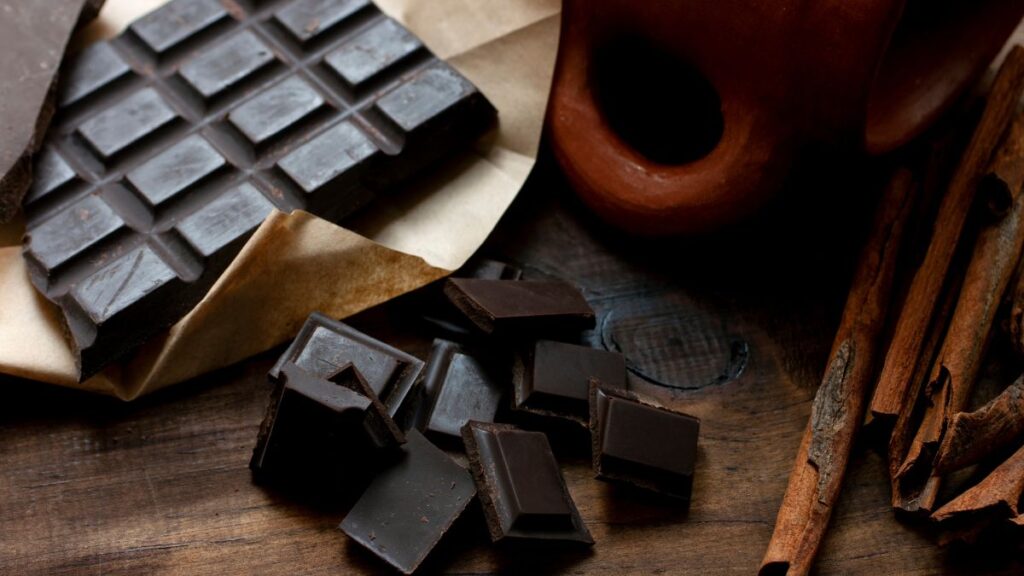
This is the treat you can feel good about. But here is the secret: you must choose the right kind. Look for dark chocolate that has a cocoa content of 70% or higher. The pure cocoa contains high levels of powerful antioxidants called flavanols.
Flavanols are proven to decrease inflammation and are great for your heart health. They help improve blood flow, which is a win for your entire body. Enjoying a small square of high-quality dark chocolate is a smart move.
- For health benefits, choose dark chocolate with 70% cocoa content or higher.
- High cocoa content means more powerful antioxidants called flavanols.
- Flavanols help decrease inflammation and are great for your heart health.
Action Plan: How to Maximize Your Natural Antioxidants Daily
Knowing which foods are helpful is only the first step. The most important thing is putting the plan into action. Here are simple steps you can use right away to maximize your natural antioxidants daily intake.
1. Use the “Color Rule”
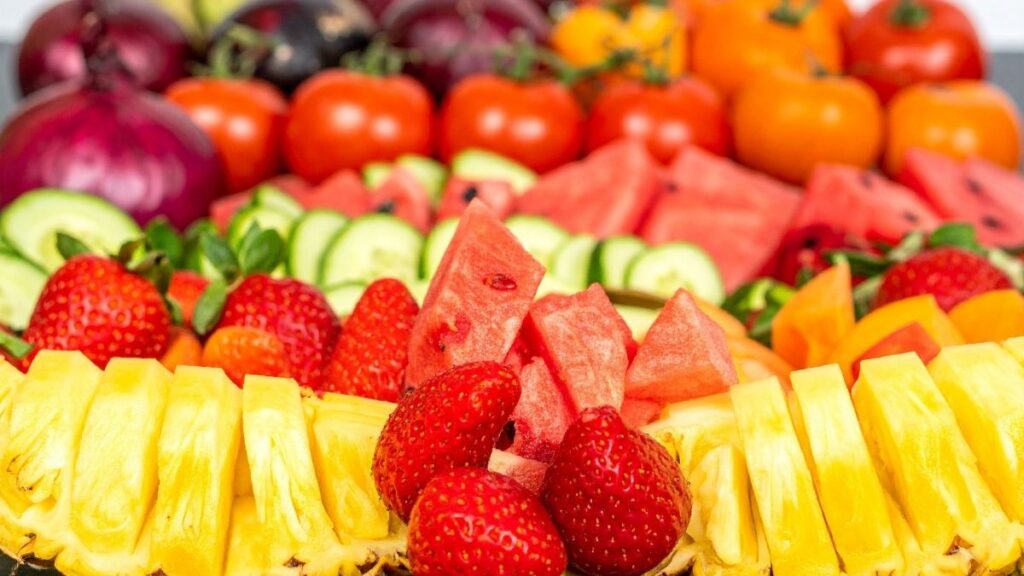
This is the easiest rule to remember. You need to eat a rainbow of colors every single day. The rich colors in fruits and vegetables—reds, blues, purples, and deep greens—come from the helpful antioxidants.
By aiming for many different colors, you make sure you get all the different types of protective compounds your body needs. When you shop, look for variety, not just quantity.
- Simple Step: Aim to eat at least three different colors of fruits or vegetables at lunch and dinner.
- Example: Don’t just eat green lettuce; add red cabbage and orange carrots to your salad.
2. Master Smart Cooking Tips
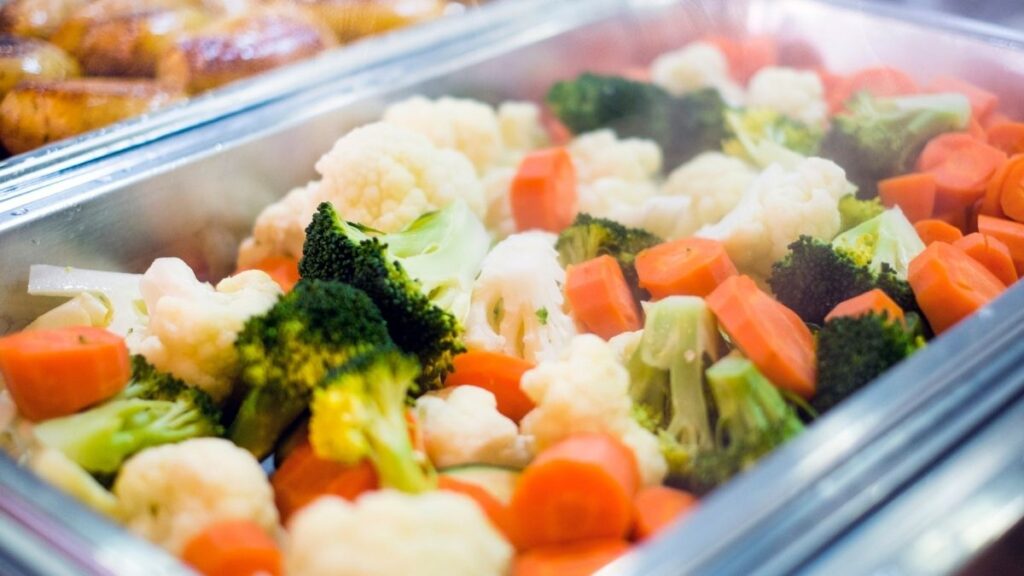
How you cook your vegetables really matters. Over-boiling vegetables can wash away many of the helpful vitamins and antioxidants. To keep the good stuff, you want to minimize boiling.
Try steaming your vegetables instead. Steaming keeps the heat lower and helps the nutrients stay locked inside the food. When you can, eat your fruits and vegetables raw.
- Simple Step: Switch from boiling your greens to quickly steaming them.
- Tip: Lightly sautéing in olive oil is better than long, hard boiling.
3. Practical Daily Integration
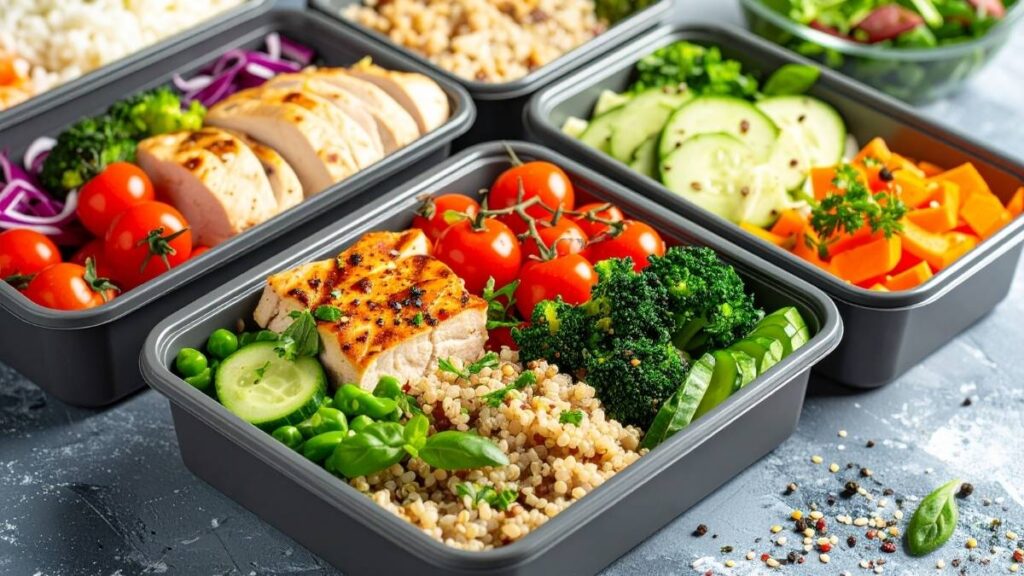
Don’t wait for a special meal to eat these powerhouses. Add them right into what you already eat. Start your day by putting a cup of spinach or kale into your morning smoothie; you won’t even taste it.
Swap processed snacks for a small handful of walnuts or pecans. Always look for a chance to add greens or berries to every meal you eat. This makes your healthy choices automatic.
- Simple Step: Add a handful of nuts to your oatmeal or yogurt every morning.
- Example: Use dark chocolate (70% or higher) shavings as a low-sugar dessert topping for berries.
4. Smart Storage Keeps Food Fresh
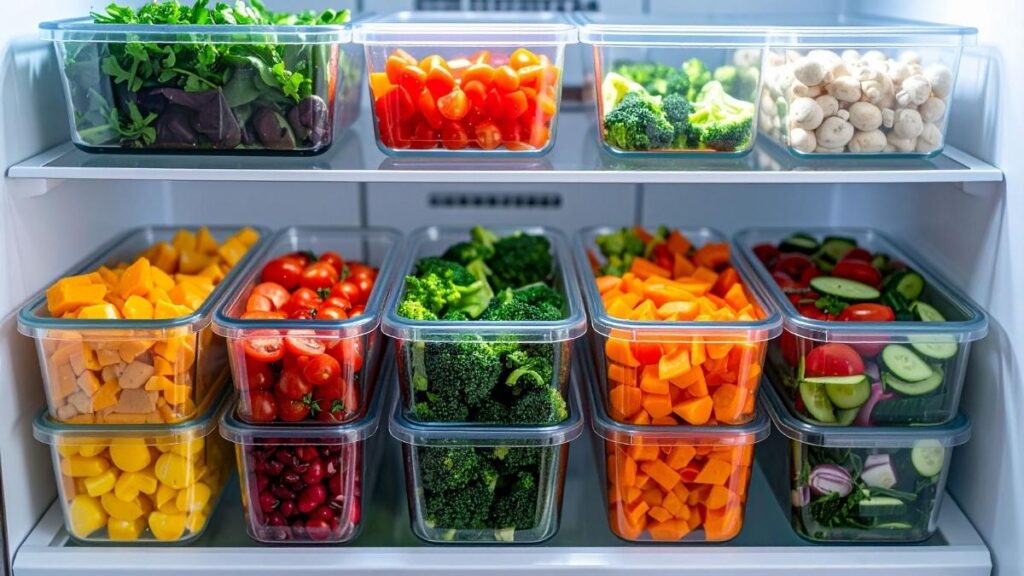
You are more likely to eat foods that are fresh and ready. When you store berries, do not wash them until right before you eat them. Washing them makes them spoil faster. Also, keep your colorful vegetables visible in your fridge.
If you see them, you will eat them. This stops food waste and makes sure you get your antioxidants.
- Simple Step: Store berries unwashed to keep them fresh longer.
- Tip: Prep and store chopped veggies (like carrots and red peppers) in a clear container for easy snacking.
Your Defense System: Summary and Next Steps
We’ve covered a lot of ground, but the main idea is simple: You have the power to protect yourself. Your body is always fighting tiny “thieves” called free radicals, which cause damage called oxidative stress. Natural antioxidants are the police that stop the damage.
We looked at 15 powerful foods that act as your internal defense system:
The Fruit & Berry Brigade: Blueberries, Strawberries, and Goji Berries.
The Green & Colorful Heroes: Kale, Spinach, and Beets.
The Final Power-Ups: Pecans, Beans, and Dark Chocolate.
By making these small, science-backed changes, you’re not just eating healthier; you’re actively building an internal defense system with these antioxidant powerhouses for long-term disease risk reduction.
Your Weekly Challenge
It’s time to put this knowledge to work. You don’t have to change everything at once.
Your Action Step: Look at the 15 powerhouses listed above and choose three new foods you don’t usually eat. Commit to adding them to your grocery list and your weekly meals, starting today.
- Try adding pecans to your salad.
- Try blending spinach into your morning shake.
- Try switching to 70% dark chocolate for dessert.
Start small, stay consistent, and share this guide with a friend who is also trying to build a stronger defense system!