

Weight management after 60 rarely comes down to one dramatic change, and the small habits tend to matter more than any single diet. Eating until you feel about 80% full, a practice long followed in Okinawa, does more for portion control than counting calories ever will.
Walking for ten minutes after a meal steadies blood sugar and helps the body burn what it just took in. Vegetables before protein, protein before carbohydrates, changes how your body handles the same plate of food.
None of these twelve strategies require giving anything up completely. Small, consistent shifts in timing, order, and movement build real results over months, not days.
The 60+ Vitality Builder
Fill your meter to 100 by choosing nourishing habits. Beware of deprivation traps!
1. Apple Cider Vinegar with “The Mother”
Apple cider vinegar (ACV) with “the mother” has emerged as a powerful ally in weight management. The “mother” contains beneficial bacteria and enzymes that can support your weight loss journey.
Research shows that ACV may help slow stomach emptying and reduce blood sugar spikes, particularly when consumed before high-carb meals.

How to use:
- Mix 1-2 tablespoons of ACV with water
- Drink 30 minutes before meals
- Alternatively, use it as a salad dressing
Note: Always dilute ACV and avoid if you have stomach ulcers. Rinse your mouth afterward to protect your tooth enamel.
2. Lemon Water: A Pre-meal Ritual
Lemon water does more than just refresh – it’s packed with antioxidants like ascorbic acid, hesperidin, naringin, and ferulic acid that can help reduce body fat. Research indicates that citrus flavonoids boost metabolism and help prevent fat accumulation.

Simple preparation:
- Squeeze 3 medium-sized lemons into warm water
- Drink 30 minutes before main meals
- Use a straw to protect your teeth
3. Green Tea and Lemon Combination
This powerful duo combines the fat-burning properties of green tea’s EGCG (epigallocatechin gallate) with lemon’s citrus flavonoids. Studies involving women showed significant reductions in body weight and belly fat after 12 weeks of regular green tea consumption.

Benefits:
- Enhanced metabolism
- Improved fat oxidation
- Natural appetite suppression
- Better digestion
4. The 80% Rule: Hara Hachi Bu
This Japanese practice of eating until you’re 80% full has helped Okinawans maintain one of the world’s lowest rates of lifestyle diseases. The key is eating slowly and mindfully, allowing your body to register satiety signals naturally.

How to practice:
- Assess your portion before eating
- Eat slowly and mindfully
- Stop when you feel satisfied but not completely full
- Give your brain time to register fullness
5. Post-meal Walking
A simple 10-minute walk after meals can significantly impact your weight loss journey. Research confirms this practice helps:

- Regulate blood sugar levels
- Boost metabolism
- Enhance digestion
- Increase calorie burning
Walk immediately after eating for optimal benefits, and consider finding a walking buddy for evening strolls.
6. Strategic Intermittent Fasting
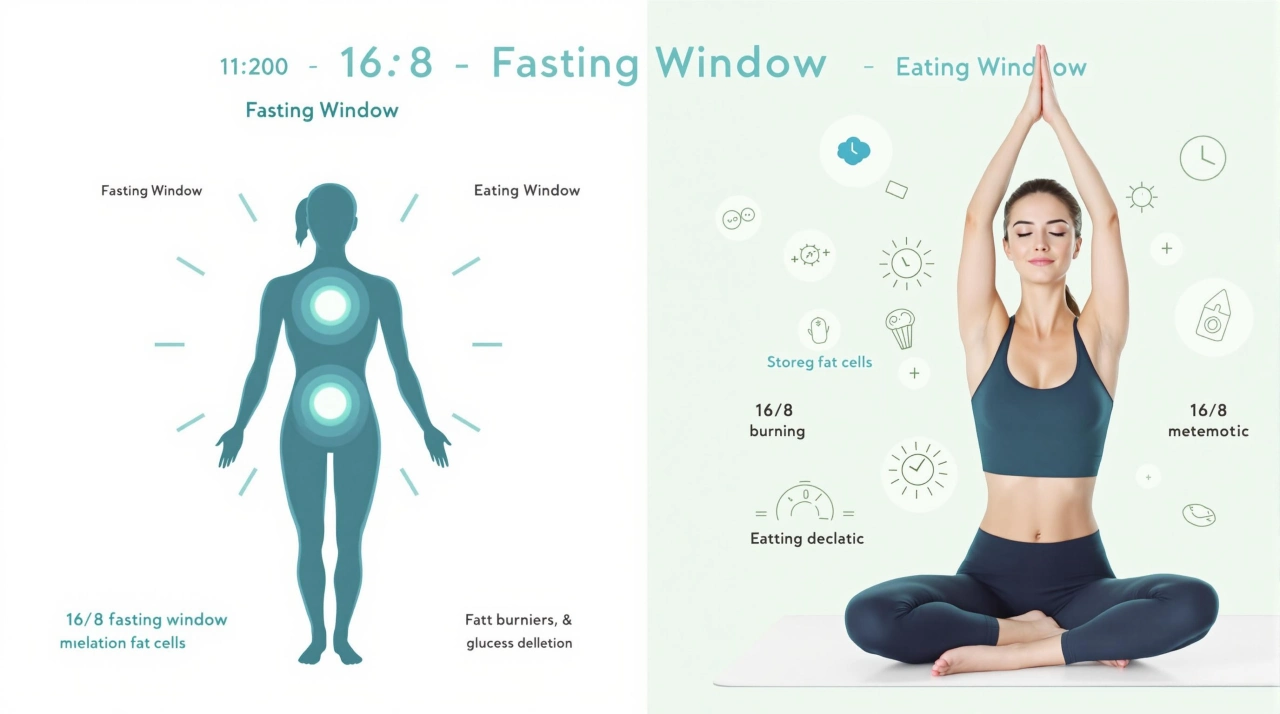
Intermittent fasting triggers a metabolic switch that enhances fat burning. When glucose reserves deplete, your body transitions to burning stored fat for energy. This practice improves insulin sensitivity and increases fat-burning hormones like norepinephrine.
7. Stress-Relief Walking

When stress hits, taking a 20-minute walk serves dual purposes: it reduces cortisol levels (the stress hormone that promotes abdominal fat storage) and prevents stress-induced emotional eating. This simple activity can significantly support your weight management goals.
8. Evening Meal Timing
Your body’s metabolism naturally slows down in the evening, making late-night eating less optimal for weight management. Follow these guidelines:

- Eat your last main meal 3 hours before bedtime
- If hungry after 9 PM, choose light options like bananas or salads
- Consider herbal tea as an evening alternative
9. Strategic Meal Sequencing
The order of food consumption matters significantly. Research shows eating in this sequence helps control blood sugar and insulin levels:
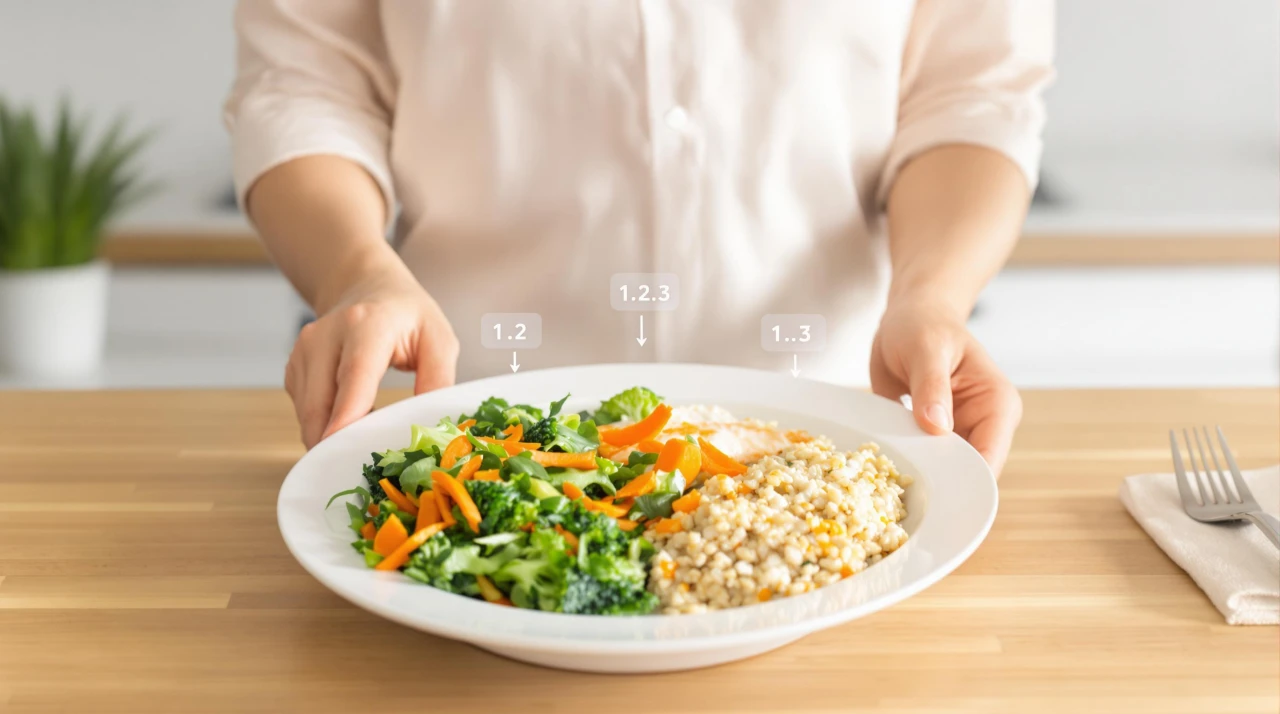
- Vegetables first
- Protein second
- Carbohydrates last
This approach triggers higher levels of GLP-1, a hormone that promotes satiety and supports weight loss.
10. Complex Foods Priority
Focus on incorporating complex foods into your meals. These foods:
- Provide sustained energy release
- Prevent blood sugar spikes
- Requires more energy to digest
- Keep you fuller longer
Choose whole grains, vegetables, and legumes over processed alternatives.
11. Vagal Tone Enhancement
A strong vagal tone supports weight management through improved digestion and stress reduction. Enhance your vagal tone through:
- Deep breathing exercises
- Meditation
- Gentle yoga
- Cold exposure (brief cold showers)
- Singing or humming
- Regular exercise
- Positive social interactions
12. Daily Activity Integration
Transform everyday activities into calorie-burning opportunities:
- Take stairs instead of elevators
- Park farther from destinations
- Clean vigorously
- Play with children or pets
- Garden or do yard work
Remember, consistency with these practical hacks often yields better results than extreme measures. Choose the strategies that best fit your lifestyle and gradually incorporate them into your daily routine for sustainable weight management.
