

Staying sharp and active after 70 comes down to a shorter list of foods than most people expect, and none of them require a special diet plan. Dark leafy greens protect vision and bones while feeding the brain through folate.
Cruciferous vegetables and blueberries fight the inflammation that quietly drives most age-related decline.
Fatty fish preserves the muscle mass that keeps you steady on your feet, and nuts supply the same omega-3s through a plant-based source. Ten foods make up this list, each backed by decades of nutrition research rather than trends. None of them are expensive, exotic, or hard to find at a regular grocery store.
Vitality Plate Builder
Select 5 foods to fuel energetic vitality, brain health, and joint mobility after 70!
Your Daily Plate 0 / 5 Filled
Tap Foods to Pack Your Plate
1. Dark Leafy Greens
Kale, spinach, and Swiss chard contain vitamins A, C, and K, which protect vision, boost immunity, and strengthen bones. Their high folate content also supports brain health. Sauté them with garlic, blend them into smoothies, or add them to soups.
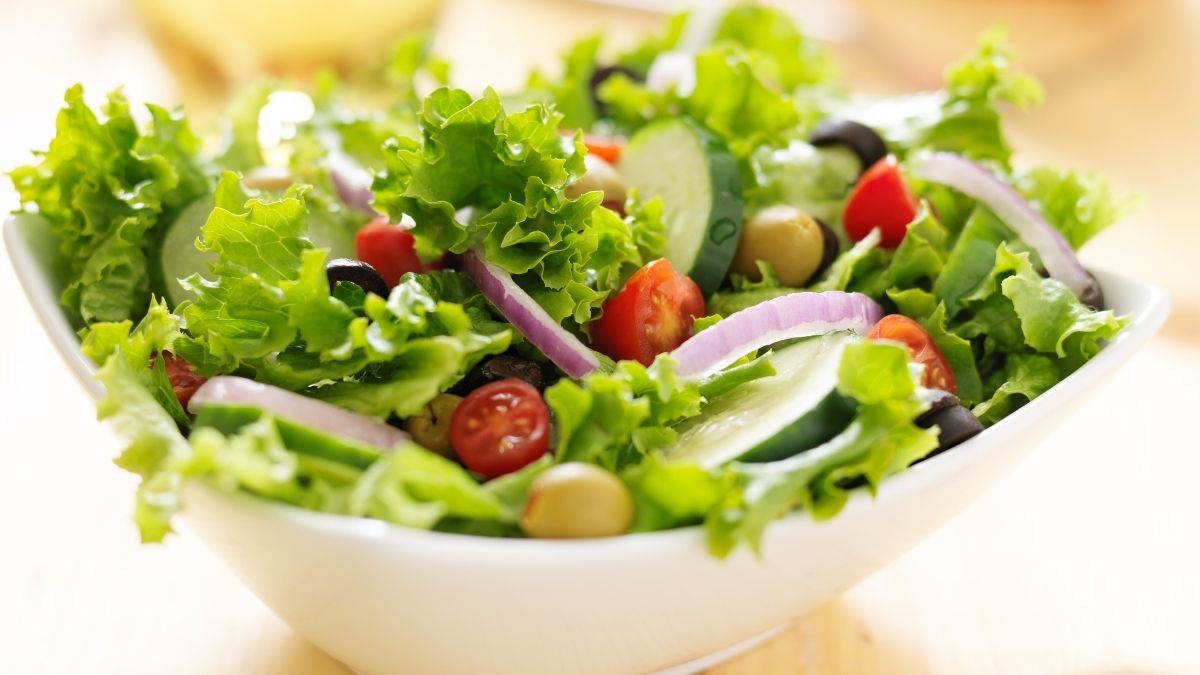
The antioxidant properties of these greens combat oxidative stress and inflammation throughout the body, potentially reducing the risk of chronic diseases.
While their benefits are substantial, those taking blood-thinning medications should consult healthcare providers, as the high vitamin K content can interact with certain medications.
Note: Vitamin K in greens can interfere with blood thinners like warfarin—consult a doctor before increasing intake.
2. Cruciferous Vegetables
Broccoli, cauliflower, and Brussels sprouts contain sulforaphane, which may slow cellular aging and reduce cancer risk. Their fiber aids digestion, while antioxidants combat inflammation. Roast with olive oil or shred into salads for crunch.
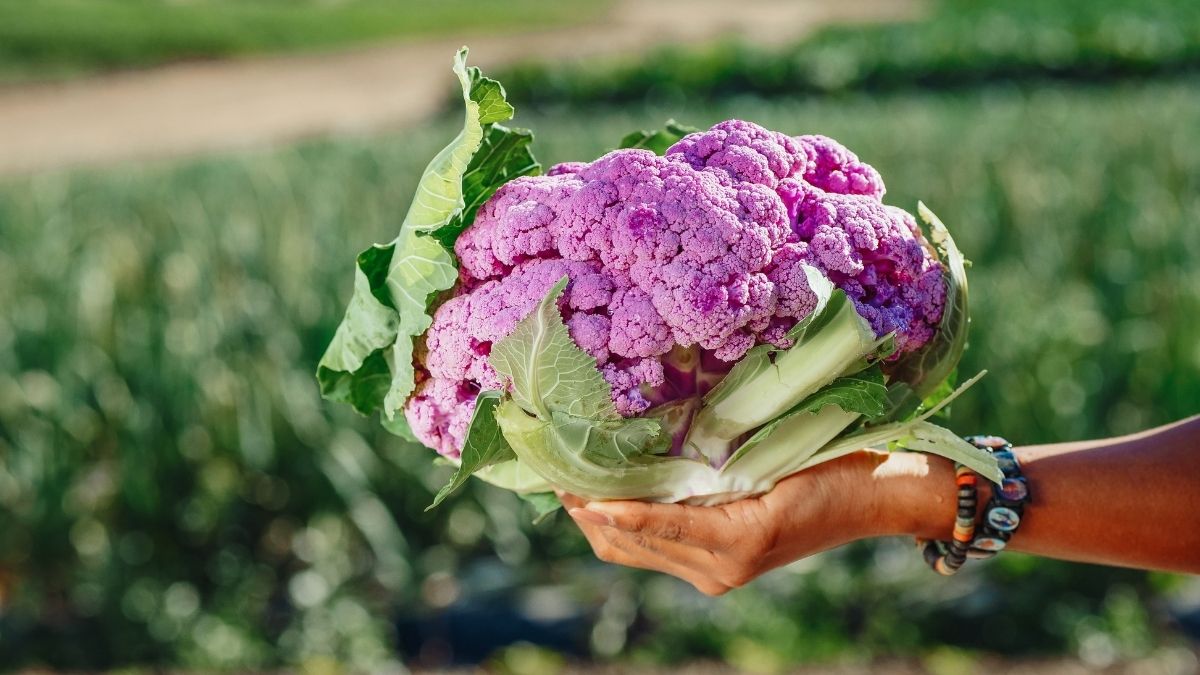
Their robust antioxidant content works to reduce systemic inflammation, potentially protecting against various chronic conditions and supporting overall cellular health.
The versatility of these vegetables in cooking makes them easy to incorporate into daily meals, whether roasted, steamed, or enjoyed raw in salads.
3. Blueberries
Dubbed “brain berries,” their anthocyanins improve memory and delay cognitive decline. Studies suggest daily consumption lowers blood pressure and oxidative stress. Add to oatmeal, yogurt, or enjoy frozen as a sweet snack.
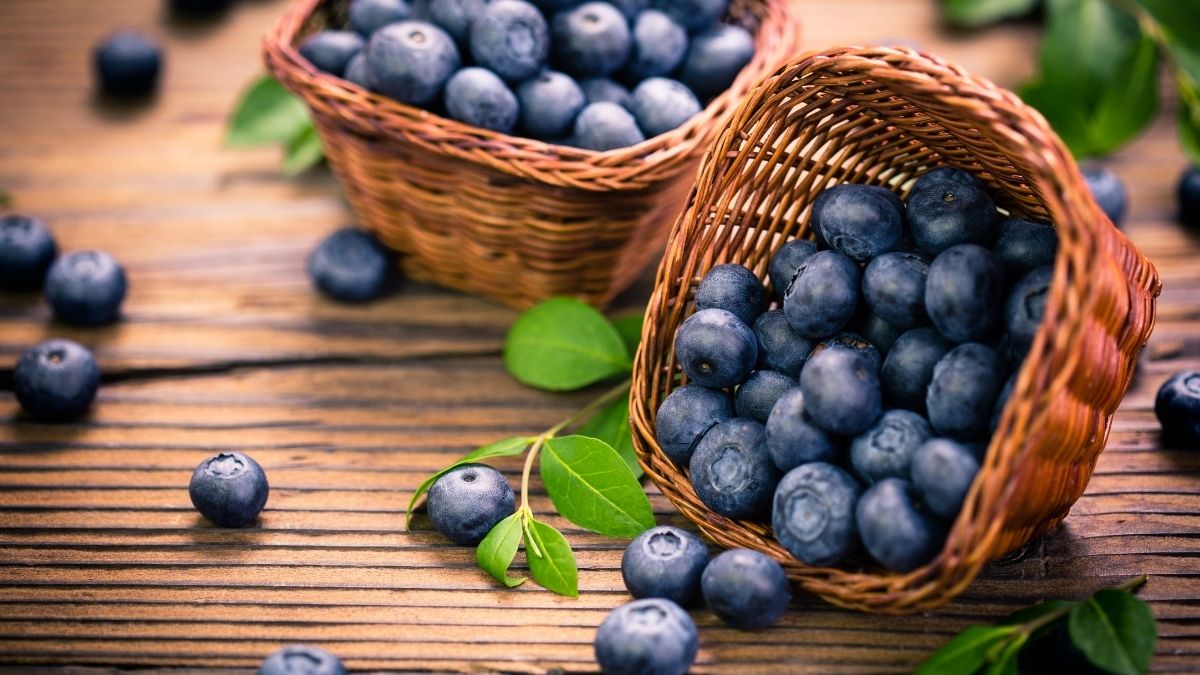
Their natural sweetness and versatility make them an easy addition to various meals and snacks, while their relatively low sugar content makes them suitable for those monitoring their blood glucose levels.
Research suggests that regular consumption may provide cumulative benefits, making them an essential component of a brain-healthy diet.
4. Nuts and Seeds
Almonds, walnuts, chia, and flaxseeds provide heart-healthy fats, protein, and magnesium. Walnuts’ omega-3s support brain function, while chia seeds stabilize blood sugar. Limit to a small handful daily to avoid excess calories.
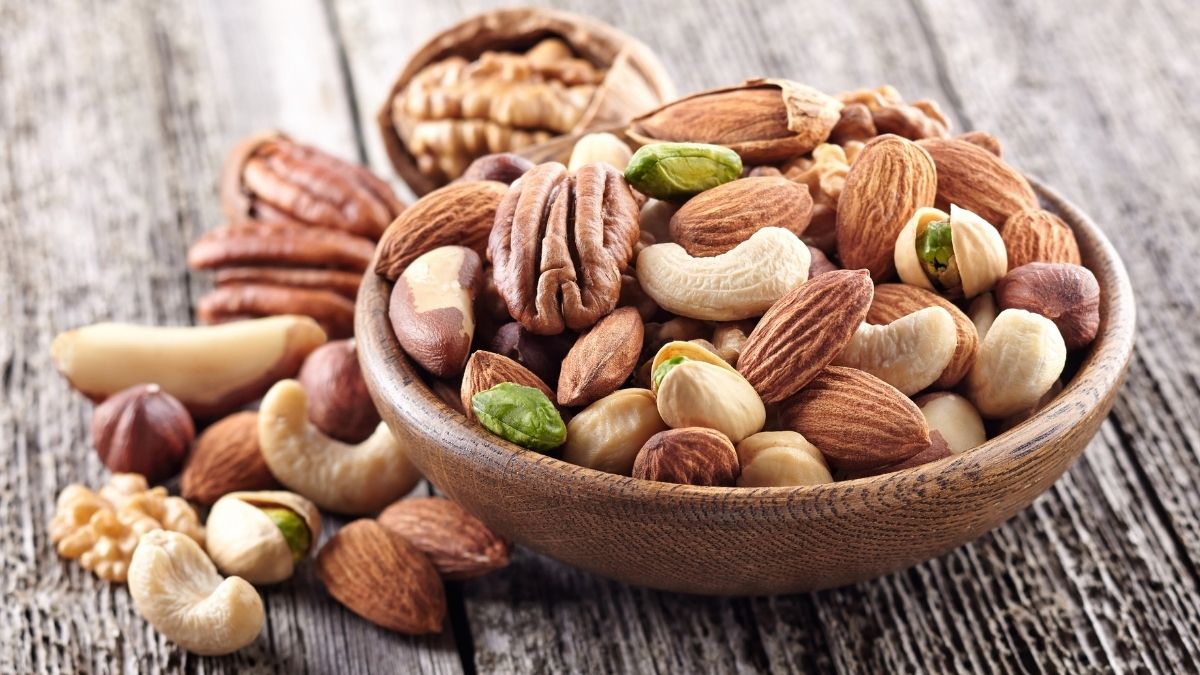
The omega-3 fatty acids found in walnuts and flaxseeds play a crucial role in brain health, while the fiber and protein content help regulate blood sugar levels and promote satiety.
Although calorie-dense, their nutrient density and satisfying nature make them valuable additions to a healthy diet when consumed in appropriate portions. Regular consumption has been linked to improved longevity and reduced risk of various chronic diseases.
5. Fatty Fish
Salmon, mackerel, and sardines are rich in omega-3s, reducing arthritis pain and heart disease risk. Their protein preserves muscle mass—critical for mobility. Grill or bake with herbs for a simple, savory meal.
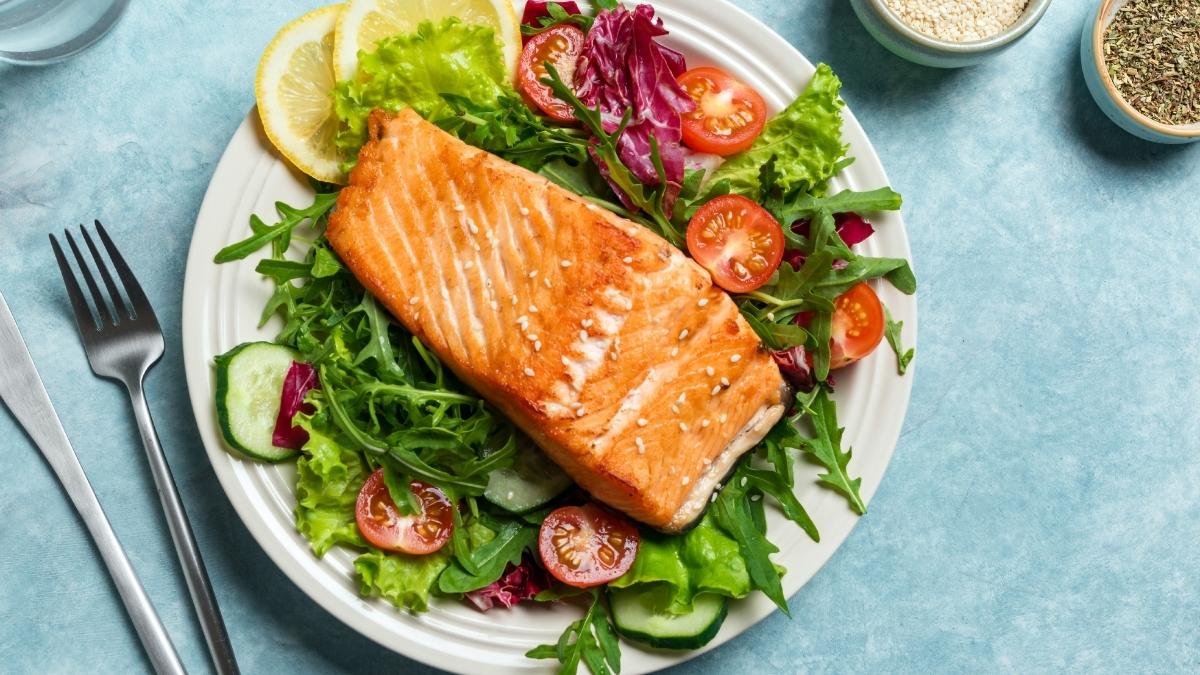
The protein content is particularly valuable for maintaining muscle mass and strength, which becomes increasingly important with age.
Their versatility in cooking and preparation makes them an accessible option for incorporating these essential nutrients into regular meal rotation.
6. Greek Yogurt
Packed with probiotics and calcium, it strengthens gut health and bones. Opt for unsweetened varieties to avoid added sugar. Use as a base for dips, mix with fruit, or substitute for mayo in recipes.
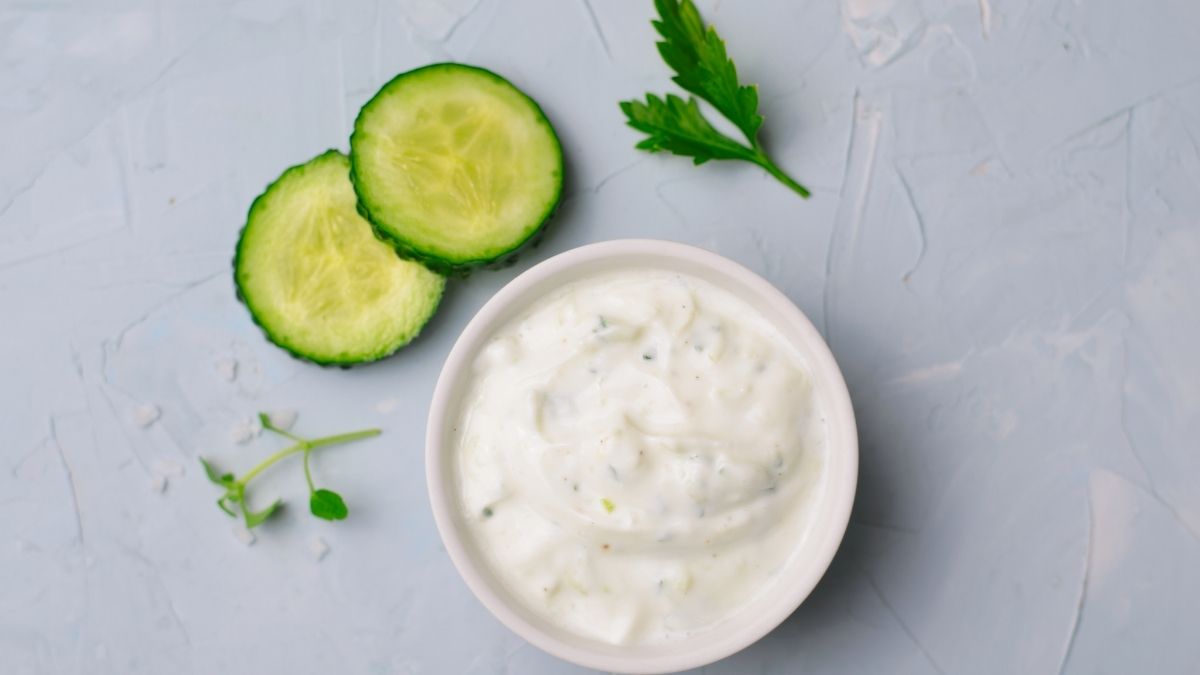
The versatility of Greek yogurt in both sweet and savory applications makes it an excellent substitute for less healthy ingredients in many recipes.
When chosen in its unsweetened form, it provides these benefits without the drawback of added sugars, making it an ideal choice for those monitoring their carbohydrate intake.
7. Avocados
Creamy and versatile, avocados offer monounsaturated fats that lower LDL cholesterol and potassium to regulate blood pressure. Spread on toast, blend into smoothies, or slice into salads.
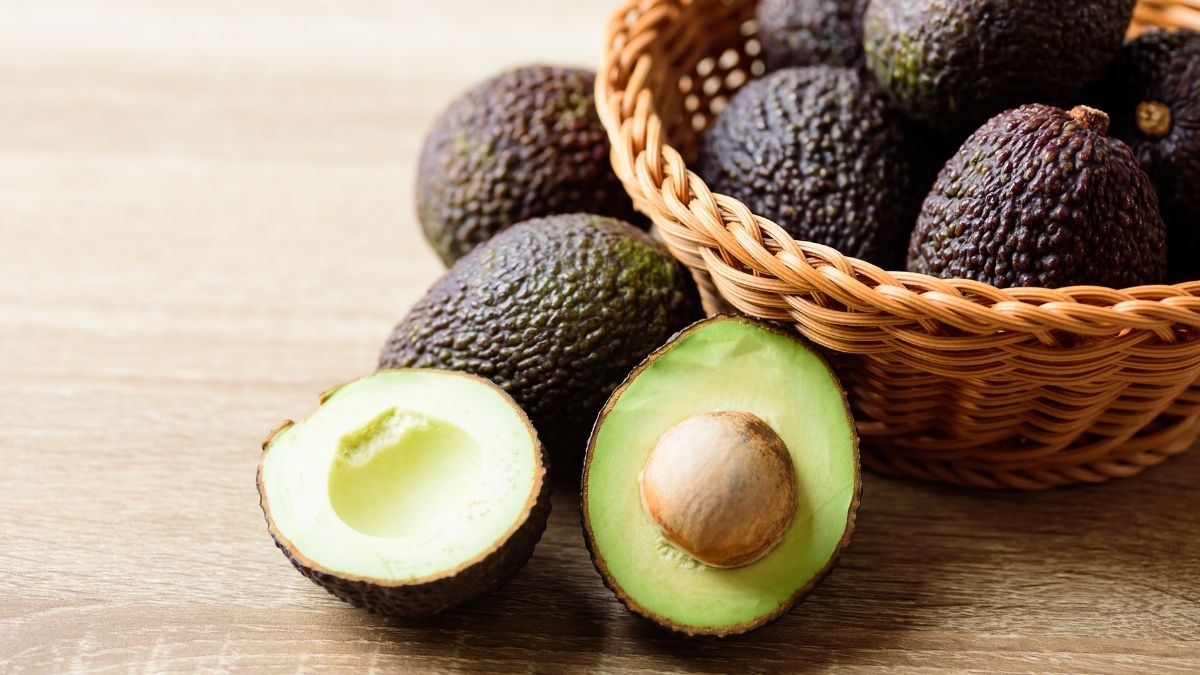
The creamy texture and mild flavor make them an excellent addition to both sweet and savory dishes, while their satiating properties can help with weight management.
Their nutrient absorption-enhancing properties make them particularly valuable when paired with other healthy foods, maximizing the nutritional benefits of entire meals.
8. Eggs
A complete protein source, eggs contain choline for brain health and lutein for eye protection. Seniors can safely eat 1–2 daily unless advised otherwise. Scramble, boil, or bake into veggie-packed frittatas.
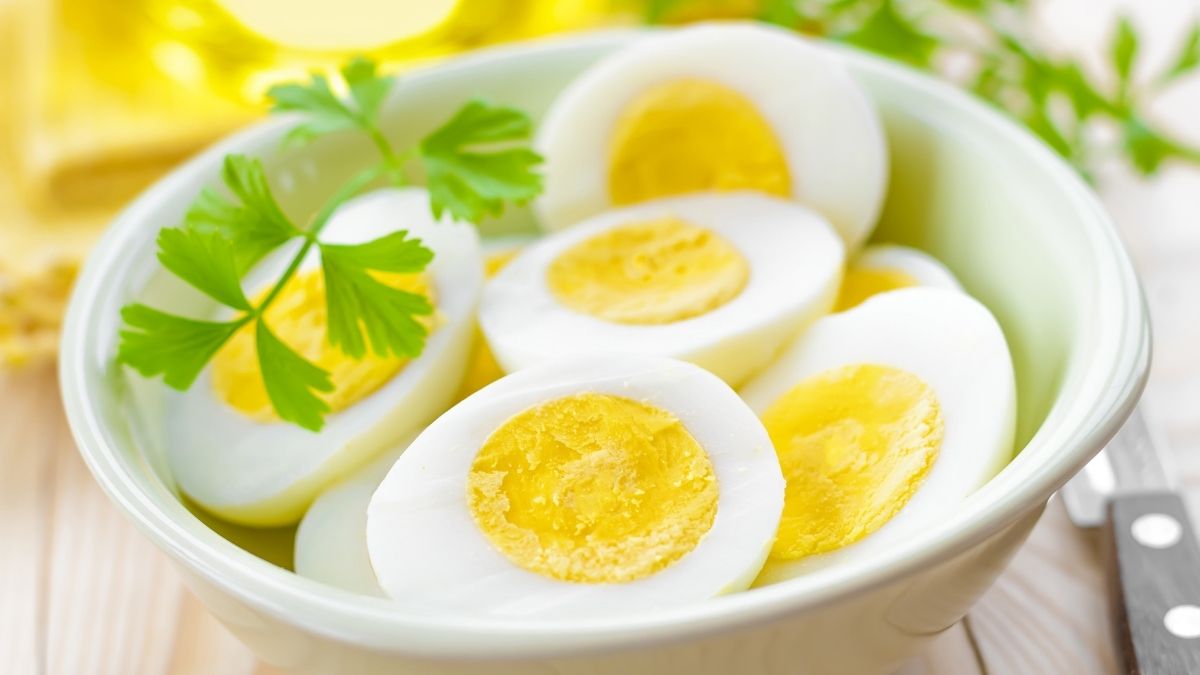
The versatility of eggs in cooking makes them an excellent choice for any meal, while their affordability makes them an accessible source of high-quality nutrition.
Recent research has largely debunked previous concerns about cholesterol content, showing that moderate egg consumption can be part of a healthy diet for most people, providing valuable nutrients without adverse effects on cardiovascular health.
9. Sweet Potatoes
High in beta-carotene and fiber, they support vision and digestion. Their slow-release carbs provide steady energy. Bake, mash, or roast as a nutrient-dense side dish.
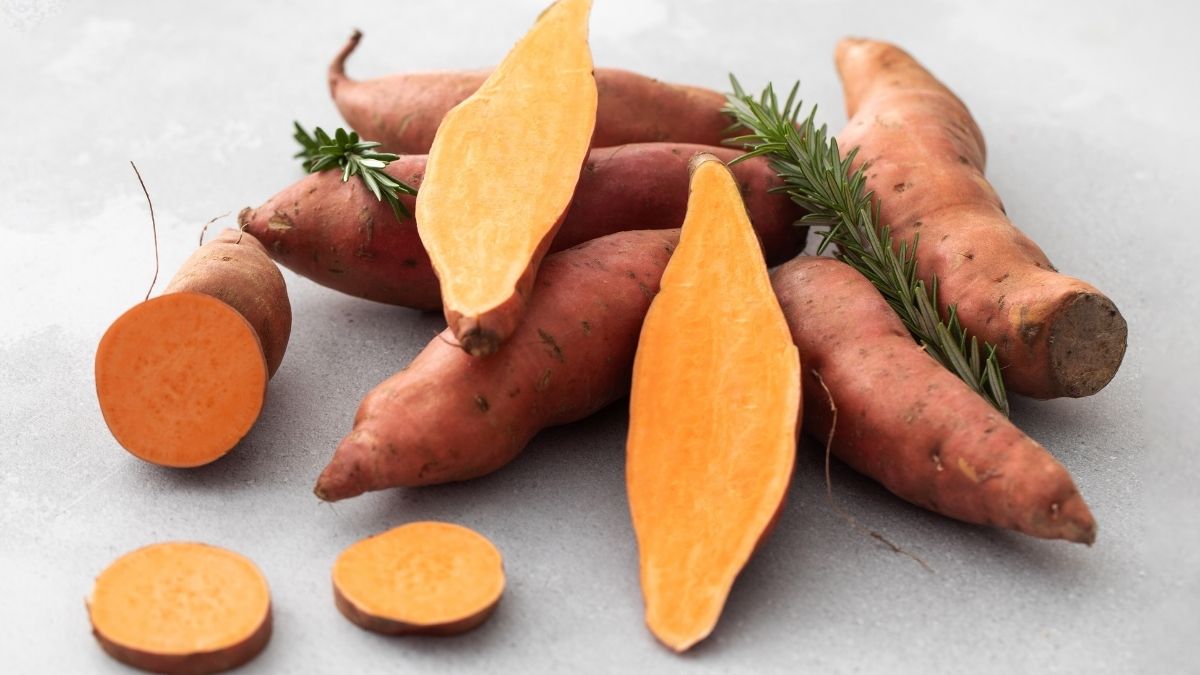
Their natural sweetness and versatility in cooking methods make them an appealing alternative to refined carbohydrates, while their nutrient density supports overall health and well-being.
The combination of nutrients in sweet potatoes may also help reduce inflammation and support healthy aging.
10. Oats
A fiber powerhouse, oats reduce cholesterol and stabilize blood sugar. Steel-cut or rolled oats make a filling breakfast—top with nuts and berries for extra antioxidants.
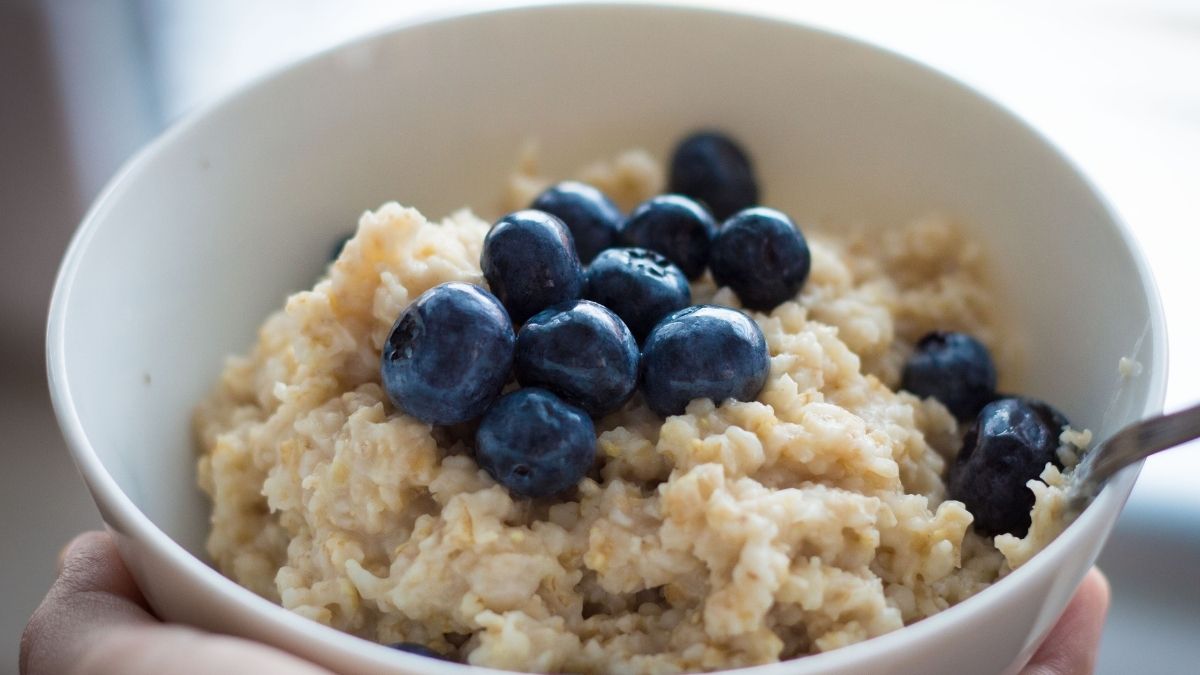
The protein content of oats is higher than many other grains, making them particularly valuable for maintaining muscle mass and supporting overall nutrition.
Their versatility in preparation methods and ability to absorb flavors makes them an excellent base for both sweet and savory dishes. Regular consumption of oats has been linked to improved blood sugar control, reduced inflammation, and better digestive health.
7 Tips to Maximize Superfood Benefits
- Mix textures and flavors: Combine crunchy nuts with creamy yogurt or sweet berries for satisfying meals.
- Batch-prep meals: Cook soups or roasted veggies in advance to save time.
- Stay hydrated: Fiber-rich foods like oats and chia need plenty of water to aid digestion.
- Monitor portions: Nuts and avocados are calorie-dense—stick to recommended servings.
- Experiment with spices: Turmeric or cinnamon adds anti-inflammatory benefits without salt or sugar.
- Check for interactions: Green leafy veggies and blood thinners may require adjusted intake.
- Use frozen options: Frozen berries and veggies retain nutrients and are budget-friendly.
Eating Well on a Budget
Superfoods don’t have to break the bank. Frozen produce, canned fish (like salmon), and bulk oats are affordable staples.
Seniors eligible for SNAP can use benefits at farmers’ markets or online grocers (where accepted) to stretch their budget. Programs like Meals on Wheels also provide nutritious meals for homebound older adults.
By prioritizing these 10 superfoods, seniors can fuel their bodies to stay active, sharp, and resilient well into their 90s and beyond!
