

11 “Healthy” Morning Rituals I Swore By That Were Actually Destroying My Gut Health
For three years, Emma religiously followed every trending morning wellness ritual lemon water, green smoothies, intermittent fasting yet her bloating got progressively worse, not better.
She bought expensive superfoods, woke up at 5 AM for meditation, and meal-prepped like her life depended on it. But nobody told her that half of these “healthy” habits were wrecking her gut microbiome.
If you’re eating clean but still feeling terrible, this isn’t in your head. Your digestive problems might come from the very morning routine you think is helping you. Emma experienced chronic bloating, acid reflux so bad she needed daily antacids, and blamed herself for not doing it “right.” Sound familiar?
Morning Habits Wrecking Your Gut 🦠
Click “NEXT” to see how “healthy” routines are secretly ruining your digestion!
#1 - Drinking Lemon Water on an Empty Stomach

Emma started every morning with a big glass of lemon water because every wellness influencer claimed it would "detox" her body.
Instead, she got a burning sensation in her chest within 30 minutes that lasted for hours. Lemon juice has a pH of 3.0, which triggers your stomach to produce even more acid when consumed on an empty stomach.
A 2022 study found that lemon juice increased stomach contents by 1.5 times, making acid reflux worse for people with sensitive digestive systems.
If you already have GERD or acid sensitivity, drinking acidic lemon water can damage your esophageal lining. Johns Hopkins Medicine reports that citrus worsens heartburn for about 20% of people with GERD.
What to do instead:
- Drink warm plain water when you wake up
- Try ginger tea for actual digestive benefits
- Save lemon for a diluted version with food
- Add honey if you use lemon (it has an alkalizing effect)
- Listen to your body—if it burns, stop drinking it
#2 - Chugging Black Coffee First Thing

Emma's morning coffee habit caused immediate stomach cramping, then acid reflux all morning that required daily antacids. Coffee stimulates a hormone called gastrin, which tells your stomach to produce hydrochloric acid, and it relaxes the lower esophageal sphincter the valve keeping acid where it belongs.
Coffee doesn't cause ulcers, but it makes existing digestive issues much worse. Studies show coffee stimulates colon motility 23% more than decaf and 60% more than water. Your stomach produces digestive juices with nothing to digest except its own lining.
If your gut is already sensitive, that morning coffee on an empty stomach creates problems that last all day.
What to do instead:
- Drink 16 ounces of warm water first
- Eat a small breakfast before your coffee
- Add milk or cream to buffer the acidity
- Choose low-acid coffee varieties
- Wait at least 30 minutes after waking before coffee
#3 - Starting with Cold Smoothies or Smoothie Bowls

Emma loved her morning smoothie bowl because it looked beautiful on Instagram, but within an hour her bloating was unbearable.
Ayurvedic medicine teaches that cold foods "shock" your digestive fire first thing in the morning when your body just woke up. Mixing fruits and vegetables confuses your digestive enzymes because fruits digest quickly while vegetables take longer.
A University of Kerala study from 2021 showed that people who ate warm porridge in the morning had fewer GI troubles than those who ate cold breakfasts. Your body needs warmth to activate digestion properly after sleeping all night. Raw, cold foods are harder to digest when your digestive system is just waking up.
What to do instead:
- Make room-temperature or slightly warm smoothies
- Keep fruit smoothies separate from vegetable smoothies
- Add warming spices like ginger and cinnamon
- Try warm oatmeal or cooked breakfast options
- Save cold smoothies for later in the day when digestion is stronger
#4 - Eating High-Sugar "Health" Foods

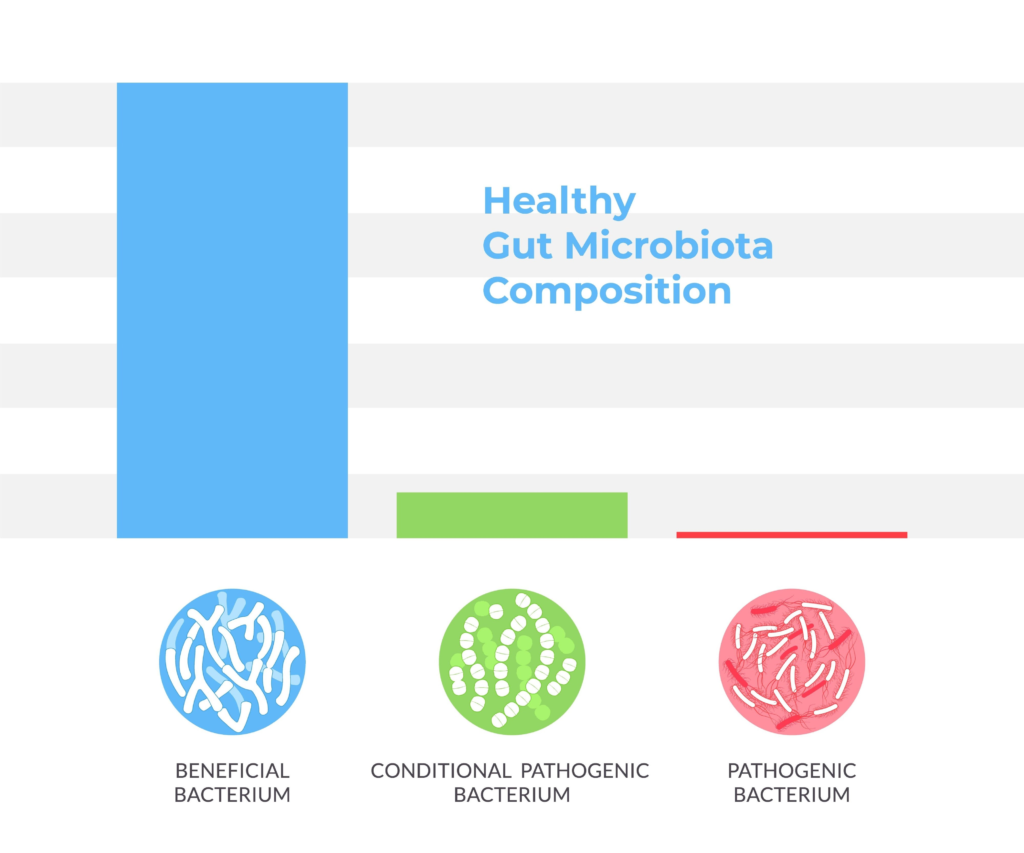
Emma's breakfast looked healthy on paper with flavored yogurt, granola, and a protein bar, but her "healthy" yogurt parfait had more sugar than a candy bar. Those flavored yogurts contain 15-25 grams of sugar, same with most granola and protein bars. Sugar feeds the bad bacteria in your gut while reducing beneficial strains.
Only 7.14% of people eat probiotic foods daily according to a 2025 study, but even if you're eating yogurt, the added sugar cancels out the probiotic benefits.
Sugar alters your gut microbiome composition within just a few days of regular consumption. Emma crashed by 10 AM every single day because those "healthy" breakfast foods spiked her blood sugar and fed the wrong bacteria in her gut.
What to do instead:
- Choose plain Greek yogurt and add fresh berries yourself
- Eat whole fruit instead of fruit-flavored products
- Read labels—aim for under 5 grams of added sugar per serving
- Pick savory, protein-rich breakfast options
- Make your own granola with less sugar
#5 - Skipping Breakfast Entirely (Intermittent Fasting Gone Wrong)

Emma tried intermittent fasting because everyone said it was the healthiest thing ever, but by 11 AM she had burning pain in her stomach. When your stomach sits empty for too long, bile acid accumulates and can damage your gut lining.
Gastroenterologist research from 2025 shows that prolonged fasting elevates acid levels for some people, and December 2025 research specifically found that intermittent fasting can increase GERD symptoms. If you have GERD or gastritis, fasting increases stomach acid without any food to buffer it.
Intermittent fasting isn't inherently bad, but it requires proper structure and medical guidance, especially if you have any history of digestive issues.
What to do instead:
- If you want to fast, start with 12-14 hours, not 16-18
- Break your fast with a small, warm, easily digestible meal
- Avoid fasting if you have GERD, gastritis, or ulcers
- Consult a gastroenterologist before trying extended fasting
- Listen to your body—burning pain means stop
#6 - Checking Phone/Social Media Immediately Upon Waking

Emma scrolled through news and social media while eating breakfast every morning, and the combination of stress and food guaranteed bloating every single time. Looking at your phone the second you wake up spikes your cortisol, triggering your "fight or flight" mode.
When your sympathetic nervous system is activated, digestion shuts down completely. Research from 2024-2025 shows chronic stress increases intestinal permeability your gut lining literally becomes leaky.
A 2025 study found that 66.67% of people believe stress influences their digestion, and they're right. Stress hormones directly signal your gut wall and alter how bacteria grow and function. Stress also reduces beneficial bacteria like Lactobacillus and Bifidobacterium.
What to do instead:
- Keep your phone away for the first 30-60 minutes
- Practice 5 minutes of breathing or meditation
- Get natural light before looking at screens
- Eat in a calm, distraction-free space
- Save news and social media for after breakfast
#7 - Rushing Through Your Morning Routine

Emma ate breakfast in her car while driving to work and never had time for a bowel movement in the morning, which made her constipation chronic and painful. Hectic mornings prevent your body from preparing for a natural bowel movement.
Rushing inhibits gut motility and stops your body from producing digestive enzymes properly. When you eat too fast, you don't chew your food enough, which means you're not activating the digestive enzymes in your saliva.
Your parasympathetic nervous system can only activate when you're calm, and if you're stressed and rushing, you stay in fight-or-flight mode. Research from March 2025 showed that synchronizing bites to 40 beats per minute improved chewing and appetite regulation.
What to do instead:
- Wake up 15 minutes earlier for a calm morning
- Allow time for your natural bowel movement
- Sit down to eat, even if it's brief
- Take a short 5-10 minute walk after breakfast
- Make morning calm a priority, not a luxury
#8 - Not Chewing Food Properly

Emma inhaled her breakfast in 5 minutes flat, then the food just sat in her stomach like a rock for hours. Chewing activates salivary amylase—the first digestive enzyme in your system and this mechanical breakdown is essential for nutrient absorption.
You should aim for 20-30 chews per bite, especially for tougher foods. Proper chewing increases digestive enzyme production and makes nutrients more available to your body.
It's one of the simplest changes you can make for better digestion. Your body receives food that's already broken down instead of having to do all that work in your stomach and intestines.
What to do instead:
- Chew each bite 20-30 times
- Put your fork down between bites
- Eat sitting down, focused on your food
- Take at least 15-20 minutes per meal
- Notice the texture changing as you chew
#9 - Skipping Morning Hydration

Emma went straight to coffee without drinking any water first and dealt with chronic constipation and dry skin for months before making the connection. After sleeping all night, your gut is relatively dry, and water is essential for gut motility and waste removal.
Dehydration slows your digestive transit time, which means everything moves slower through your system. Room temperature or warm water works better than cold because cold water can shock your system and slow digestion.
Ayurvedic practitioners recommend warm water first thing in the morning to "kindle your digestive fire," and modern research backs this up. Proper hydration in the morning sets up your digestive system for the entire day.
Hydration also supports the mucus layer that protects your gut lining from irritation. Without adequate water first thing, your bowel movements become irregular and uncomfortable.
What to do instead:
- Drink 16-20 ounces of warm or room temperature water when you wake up
- Wait 20-30 minutes before drinking coffee
- Keep hydrating throughout the morning
- Aim for 8-10 glasses of water daily total
- Add a slice of ginger for extra digestive support
#10 - Eating While Working or Distracted

Emma ate breakfast at her desk while answering emails and never felt satisfied, spending the whole morning snacking.
Distraction activates your sympathetic nervous system the stress response and a study from 1987 in Gastroenterology found that distraction reduced nutrient absorption by up to 100%. Another "dichotomous listening" study showed that absorption stayed decreased for an hour after distracted eating.
Studies from 2025 confirm that distracted eating increases calorie intake by about 25%, meaning you eat more and absorb less. Your brain is so focused on work that it doesn't register you're eating. Taking time to smell your food before eating activates digestive enzyme production.
What to do instead:
- Eat away from your computer or TV
- Turn off your phone during meals
- Focus on your food's taste, texture, and smell
- Practice mindful eating for even just 5 minutes
- Take time to smell your food before eating (activates enzymes)
#11 - Eating Incompatible Food Combinations

Emma loved her banana smoothie with milk and yogurt, but she got gas and cramping every single time she drank it. Ayurvedic medicine teaches that certain food combinations create digestive stress fruit mixed with dairy causes fermentation and gas.
Ayurvedic studies show that incompatible combinations create "ama"—a toxic buildup in your system. While this is ancient wisdom, many people notice real improvements when they separate these foods. Your body doesn't know whether to speed up or slow down digestion when you mix incompatible temperatures and food types.
What to do instead:
- Eat fruits alone or 30 minutes before other foods
- Separate heavy proteins and starches when possible
- Avoid mixing dairy with acidic fruits
- Keep your food temperature consistent in one meal
- Notice how different combinations make you feel
When to See a Doctor
Some symptoms need medical evaluation. Don't try to fix everything yourself if you have serious warning signs.
If your symptoms persist after 3 months of routine changes, see a gastroenterologist. Unintentional weight loss, blood in stool, severe abdominal pain, difficulty swallowing, or chronic diarrhea/constipation all require professional testing.
Tests to consider:
- Comprehensive digestive analysis
- Food sensitivity testing (with MD guidance, not online kits)
- H. pylori testing
- SIBO breath test
- Colonoscopy (if your doctor recommends it)
Don't self-diagnose serious conditions based on internet research. Get proper medical guidance for persistent issues.
Conclusion
Popular wellness trends often completely ignore gut health principles. They focus on weight loss, energy, or detox claims while your digestive system suffers.
Emma learned that stress, timing, temperature, and mindfulness matter as much as food choices. Small consistent changes beat extreme trendy practices every time. You have to listen to your body's individual responses instead of blindly following what works for influencers.
Your gut health affects your entire body—immunity, mood, energy, and even your skin. When you fix your gut, everything else improves too.
Start with just one change tomorrow morning. Pick the ritual that resonates most with your current struggles. Track how you feel for two weeks. Your gut will thank you.
Protecting your gut health isn't about following every wellness trend—it's about understanding what your unique digestive system actually needs to thrive.